check

check

check

check
check
check
check
check
check

check
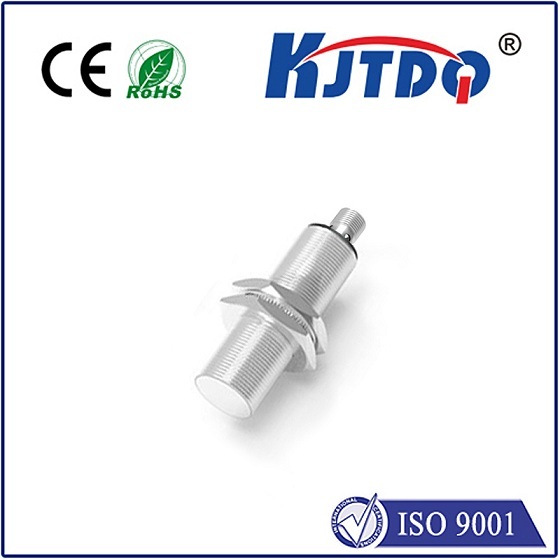
In the intricate world of industrial automation and smart electronics, the demand for reliable, non-contact sensing solutions is paramount. Among the various technologies available, the capacitive proximity sensor stands out as a versatile and highly effective tool. This article delves into the core principles, diverse applications, and key advantages of capacitive proximity sensors, highlighting why they are a cornerstone of modern sensing technology.
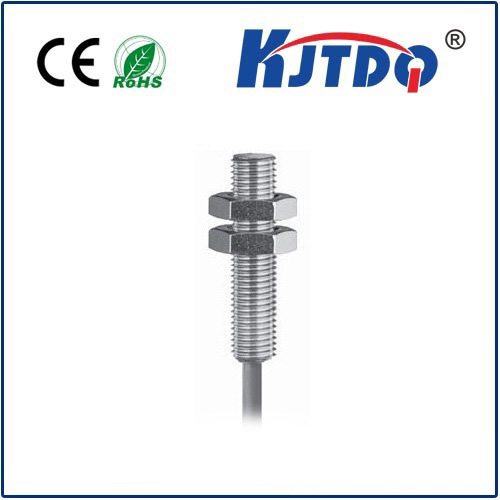
At its heart, a capacitive proximity sensor operates on a simple yet powerful principle: it detects changes in capacitance. The sensor essentially forms one plate of a capacitor, with the target object acting as the other plate. The air gap between them serves as the dielectric. When an object enters the sensor's electrostatic field, it alters the capacitance of the system. The sensor's internal oscillator circuit is tuned to a specific threshold. The presence of the target object causes a measurable change in this capacitance, triggering the sensor's output switch. Unlike inductive sensors that only detect metals, capacitive sensors can detect a vast array of materials, including liquids, powders, plastics, wood, and glass, provided the material has a dielectric constant different from air.
The applications for capacitive proximity sensors are remarkably broad. In manufacturing, they are indispensable for level detection in tanks containing liquids, granules, or powders. Whether monitoring the fill level of a coffee bean hopper or preventing overflows in chemical vats, these sensors provide critical control. They are also widely used in packaging lines to detect the presence or absence of non-metallic materials like cardboard boxes, plastic bottles, or glass containers. Beyond heavy industry, capacitive sensors are integral to consumer electronics. They form the basis of touchscreens on smartphones and tablets, and are used in touch-sensitive buttons on appliances. In automotive applications, they enable features like rain-sensing wipers and touch-based interior controls.
Several compelling advantages drive the adoption of capacitive proximity sensors. Their material versatility is a primary benefit, allowing a single sensor type to handle multiple detection tasks in complex environments. They offer excellent performance in challenging conditions, often featuring robust housings that are resistant to dust, moisture, and various chemicals. Modern capacitive sensors are highly stable, with minimal drift over time and temperature fluctuations, ensuring long-term reliability. Furthermore, they can detect objects through non-metallic barriers, such as a glass or thin plastic wall, enabling innovative installation options where the sensor must be protected from harsh process media.
When selecting and installing a capacitive proximity sensor, several factors require consideration. The sensing range is typically shorter than that of inductive sensors and can be influenced by the target material's properties. Proper calibration, often via a potentiometer on the sensor, is crucial to adjust sensitivity for the specific application and to ignore background interference. The sensor must be mounted correctly, ensuring it is not too close to conductive grounding surfaces, which could cause false triggering. Understanding the environmental conditions—such as extreme temperatures, humidity, or the presence of conductive dust—is also vital for choosing a sensor with an appropriate ingress protection (IP) rating.
Looking ahead, the evolution of capacitive sensing technology continues. Miniaturization is enabling sensors to fit into ever-smaller devices, while advancements in integrated circuitry are improving sensitivity and noise immunity. The integration of capacitive sensors with IoT platforms and Industry 4.0 systems is creating smarter, more connected factories where sensor data contributes to predictive maintenance and optimized processes. From ensuring precise liquid level control to enabling the intuitive touch interfaces we use daily, the capacitive proximity sensor remains a fundamental and evolving component, silently driving efficiency, safety, and innovation across countless industries.