check

check

check

check
check
check
check
check

check
check
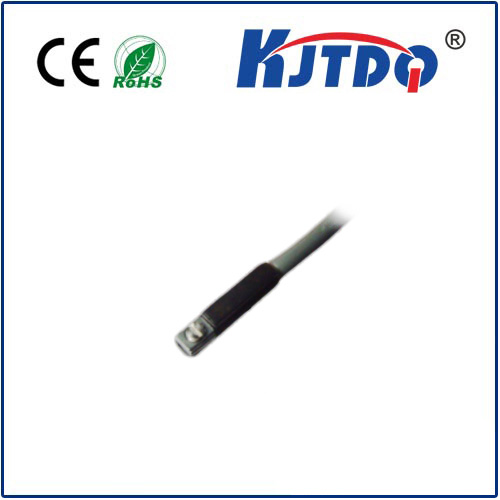
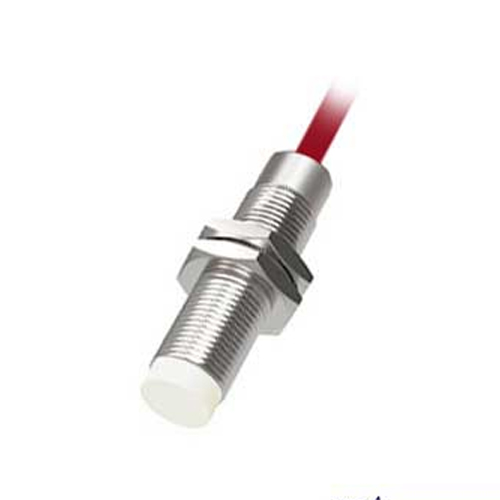
In the intricate world of industrial automation and electronic design, the demand for components that offer reliability and exactitude in confined spaces is ever-growing. Among these, the proximity sensor with a 2mm sensing distance stands out as a critical component for applications requiring meticulous detection at extremely close ranges. This specialized sensor represents a significant leap in precision engineering, enabling machinery and devices to interact with their environment in ways previously constrained by the limitations of older sensing technologies.
The fundamental principle behind a 2mm sensing distance proximity sensor is its ability to detect the presence or absence of an object within a very tight, two-millimeter field without any physical contact. Typically utilizing inductive, capacitive, or photoelectric technologies, these sensors generate an electromagnetic field or a beam of light. When a target object enters this precisely calibrated zone, it causes a detectable change in the field or interrupts the beam, triggering the sensor's output signal. The 2mm specification is not arbitrary; it is engineered for scenarios where the margin for error is virtually nonexistent. This ultra-short range minimizes the risk of false triggers from background objects or environmental noise, ensuring that the detection event is intentional and accurate.
The applications for such a precise sensor are vast and varied. In the realm of automated assembly lines, these sensors are indispensable for verifying the precise placement of miniature components, such as in smartphone manufacturing or microchip packaging. They ensure that a tiny screw is seated correctly or that a microscopic connector is in place before the next stage of assembly proceeds. Within the automotive industry, they play a pivotal role in robotic welding arms, confirming the exact position of a panel before a weld is made, thus guaranteeing structural integrity and consistency. Furthermore, in consumer electronics, a 2mm sensing distance proximity sensor can be found in devices like laptops and tablets, managing power states by detecting when the lid is closed to within a hair's breadth.
Selecting the right 2mm proximity sensor requires careful consideration of several technical parameters beyond just the sensing distance. The target material is paramount; inductive sensors are ideal for detecting metals, while capacitive sensors can handle non-metallic materials like plastic, wood, or liquids. Environmental factors such as temperature extremes, potential exposure to oils or coolants, and electrical interference in the installation area must also be accounted for to ensure long-term stability. The sensor's housing material, typically nickel-plated brass or stainless steel, needs to withstand the physical demands of its operating environment. Additionally, output configuration—whether NPN or PNP, normally open or normally closed—must be compatible with the host controller's input module to ensure seamless integration into the existing system.
The integration of these sensors into a broader control system highlights their role in enabling Industry 4.0 and smart manufacturing initiatives. By providing reliable, real-time data about the position of components or tools, they feed crucial information into Programmable Logic Controllers (PLCs) and supervisory systems. This data is the foundation for predictive maintenance algorithms, quality control checks, and adaptive process adjustments, minimizing downtime and reducing waste. The precision of a 2mm sensing distance directly translates to higher product quality, improved operational efficiency, and enhanced safety by preventing collisions or misalignments in high-speed automated equipment.
Looking ahead, the evolution of proximity sensor technology continues to push the boundaries of what is possible. Innovations in miniaturization allow these precise 2mm sensors to be embedded into increasingly compact devices. Advances in materials science are leading to sensors that can operate reliably in more hostile environments, from deep-freeze conditions to high-temperature industrial ovens. The integration of smart features, such as IO-Link communication, allows for remote configuration, diagnostics, and parameter adjustments, turning a simple sensor into an intelligent node in a networked industrial ecosystem. This trend towards smarter, more robust, and more integrated sensing solutions ensures that the 2mm proximity sensor will remain a cornerstone of precision automation.
In conclusion, the 2mm sensing distance proximity sensor is far more than a simple switch. It is a testament to precision engineering, enabling a level of control and feedback essential for modern high-stakes manufacturing and design. Its ability to perform reliably in demanding, space-constrained applications makes it an unsung hero in the background of technological advancement, from the factory floor to the devices we use daily. For engineers and system designers, understanding and leveraging the specific capabilities of this sensor is key to building more intelligent, efficient, and reliable automated systems.