check

check

check

check
check
check
check
check
check

check
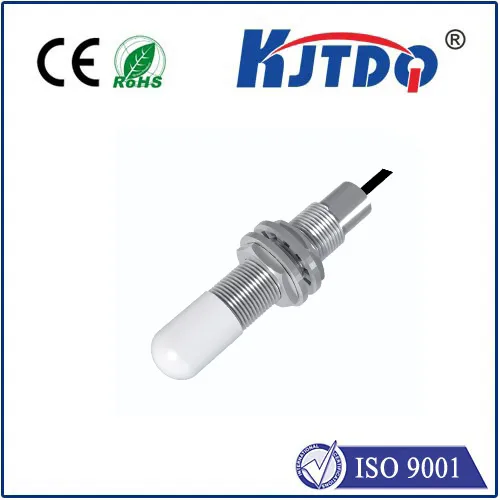
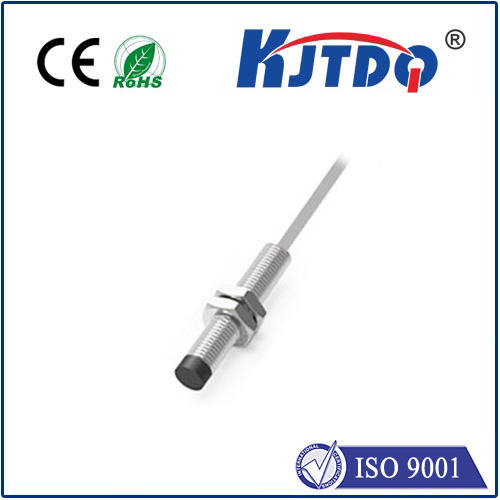
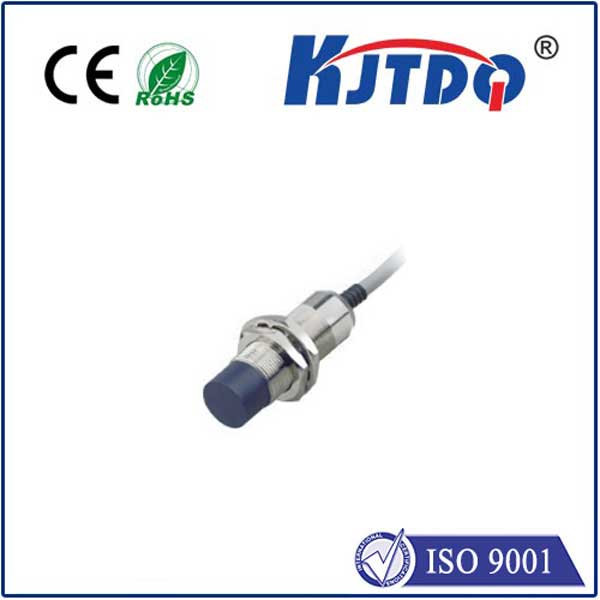
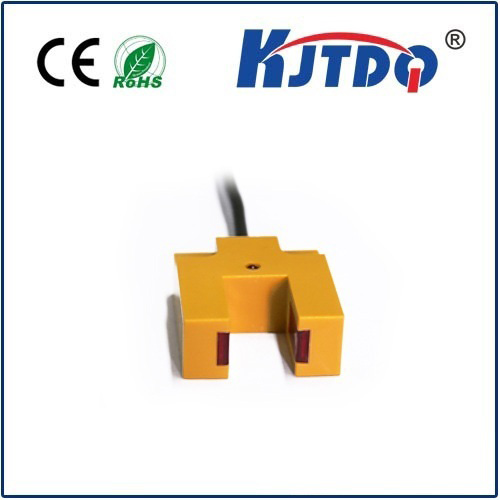
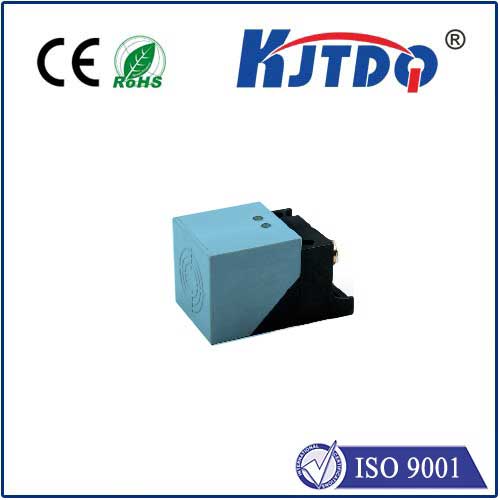
In the demanding environment of industrial automation, equipment failure is not merely an inconvenience; it can lead to significant production downtime, costly repairs, and potential safety hazards. Among the critical components in these systems, proximity sensors play a pivotal role in detecting the presence or absence of objects without physical contact. However, their performance is often jeopardized by electrical faults, with short circuits being a primary culprit. This is where the short circuit protected proximity sensor becomes an indispensable asset, offering a robust solution for maintaining continuous and safe operations.
A short circuit protected proximity sensor is engineered with integrated circuitry designed to withstand accidental output wire shorting to power supply or ground. In a standard sensor, such an event would typically cause immediate and permanent damage to the output transistor, rendering the sensor inoperative. The protected variant, however, incorporates advanced electronic safeguards. When a short circuit is detected, the internal protection mechanism instantly limits the output current to a safe level, preventing overheating and component failure. Once the fault condition is removed, the sensor automatically resumes normal operation without requiring a reset or replacement. This self-healing capability is crucial for minimizing unscheduled stoppages.
The benefits of deploying these resilient sensors are manifold. Firstly, they dramatically enhance system reliability. In complex machinery with numerous sensors, wiring errors or insulation wear can easily cause shorts. Protected sensors prevent these incidents from cascading into larger system failures. Secondly, they contribute to lower total cost of ownership. By eliminating frequent sensor replacements due to electrical damage, maintenance costs and inventory needs are reduced. Furthermore, they improve overall plant safety. A failed sensor in a safety-critical application, like a machine guard monitoring system, could have severe consequences. The inherent durability of short-circuit protected models ensures consistent performance, thereby supporting safer working environments.
These sensors are particularly vital in harsh industrial settings. Industries such as automotive manufacturing, material handling, packaging, and metalworking involve heavy machinery, conductive debris, and constant vibration—all factors that increase the risk of electrical faults. For instance, in an automotive assembly line, a proximity sensor monitoring robotic arm position must function flawlessly despite exposure to metal shavings and frequent mechanical stress. A short circuit protected model ensures that a stray metal fragment causing a short does not halt the entire production line.
When selecting a short circuit protected proximity sensor, several key specifications should be considered alongside the protection feature. Sensing range, response frequency, housing material (e.g., stainless steel for corrosive environments), and output type (PNP/NPN) remain critical. Reputable manufacturers often subject these sensors to rigorous testing, certifying them against international standards for electrical robustness and environmental sealing (IP ratings). Integration into existing programmable logic controller (PLC) systems is typically seamless, as the protection circuitry does not interfere with the standard switching signal.
In conclusion, as industries strive for higher efficiency and uptime through Industry 4.0 initiatives, the robustness of every component is paramount. The short circuit protected proximity sensor represents a smart, proactive investment in operational resilience. It moves beyond basic detection functionality to provide an essential layer of electrical defense, safeguarding both the sensor itself and the broader automation system from disruptive and costly electrical faults. By ensuring uninterrupted sensor operation, it directly contributes to smoother production flows, reduced maintenance interventions, and a more reliable automation infrastructure, ultimately protecting productivity and profitability.