check

check

check

check
check
check
check
check
check

check
In demanding industrial settings, equipment reliability is non-negotiable. Machinery faces constant threats from dust, moisture, vibration, and chemical exposure. Standard sensors often fail under these conditions, leading to costly downtime, safety risks, and production inefficiencies. This is where the high protection proximity sensor becomes an indispensable component, engineered specifically to deliver unwavering performance where others cannot.
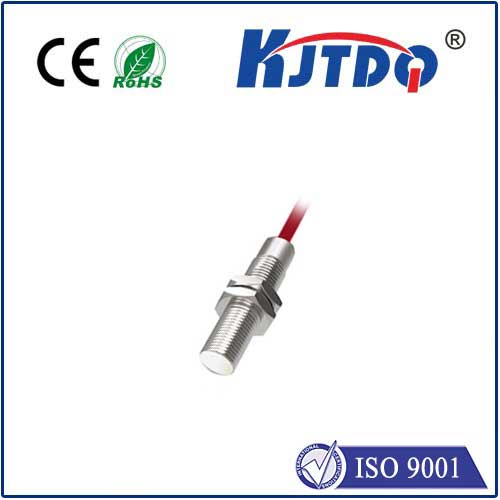
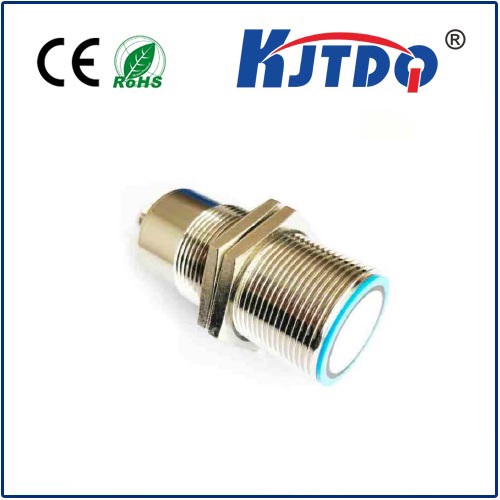
The core value of a high protection proximity sensor lies in its robust construction. These devices are typically housed in casings made from materials like stainless steel (V4A/AISI 316L) or specialized, chemically resistant plastics. This physical barrier is just the first layer of defense. The true measure of their protection is defined by international Ingress Protection (IP) ratings, such as IP67 or IP69K. An IP67 rating guarantees complete protection against dust ingress and the ability to withstand temporary immersion in water. The IP69K rating goes further, certifying that the sensor can resist high-pressure, high-temperature water jets during washdowns, making it ideal for food processing, pharmaceutical, and aggressive cleaning environments. Furthermore, robust models offer high resistance to shock and vibration, ensuring stable operation on moving machinery like conveyor systems or robotic arms.
Beyond physical durability, the sensing technology itself is critical. Inductive proximity sensors, for detecting metallic objects, and capacitive sensors, for detecting both metallic and non-metallic materials, are common types. Modern high-protection variants feature advanced designs that minimize "dead zones" and provide consistent sensing ranges even when faced with buildup or minor contamination on the sensing face. This reliability translates directly to fewer false triggers and more accurate process control. For instance, in an automotive paint shop, a high protection capacitive sensor can reliably detect vehicle bodies on a line despite overspray, while a standard sensor would likely malfunction.
The applications for these rugged sensors are vast and critical. In the food and beverage industry, sensors with IP69K ratings are essential for hygiene. They can be routinely subjected to caustic cleaning agents and high-pressure steam without failure, ensuring continuous operation in bottling or packaging lines. In mining and quarrying, sensors sealed against thick dust and capable of withstanding severe impacts are used to monitor crusher levels or conveyor belt alignment. In wastewater treatment plants, sensors resistant to humidity, corrosive gases, and chemical splashes provide reliable level detection in tanks and pumps. The maritime and offshore sectors also depend on sensors with high corrosion resistance to monitor equipment in salt-laden, humid air.
Selecting the right high protection proximity sensor requires careful analysis of the operational environment. Key considerations include: the specific contaminants (oil, coolants, dust, acids), the required pressure and temperature ranges, the necessary sensing distance and target material, and the electrical output needed (e.g., PNP/NPN, analog, IO-Link). Integration is also streamlined, with many models offering versatile mounting options like threaded barrels or block-style designs, and connectivity through pre-wired cables or quick-disconnect connectors for easy maintenance.
Ultimately, investing in a high protection proximity sensor is an investment in operational integrity. It moves beyond simple component selection to a strategy of proactive risk mitigation. By deploying sensors built to endure the specific challenges of an application, engineers and plant managers achieve a significant reduction in unplanned stoppages, lower long-term maintenance costs, and enhanced safety for both personnel and processes. The result is a smoother, more predictable, and more profitable production flow, proving that in harsh industrial environments, the right protection is the foundation of peak performance.