check

check

check

check
check
check
check
check

check
check
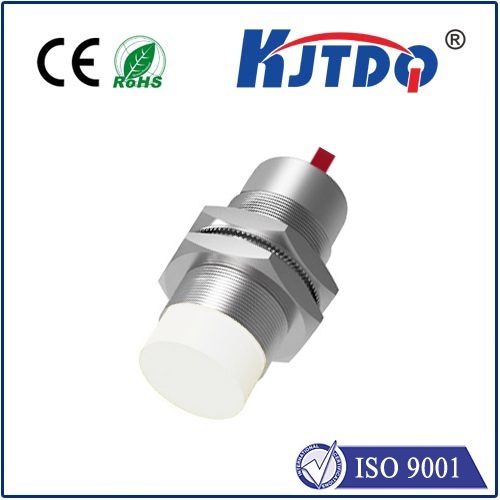
In the rapidly evolving landscape of industrial automation and smart technology, the ultrasonic proximity sensor stands out as a critical component for achieving non-contact detection and measurement. Unlike traditional sensors that rely on physical contact or light-based systems, ultrasonic sensors utilize high-frequency sound waves to accurately gauge the presence, distance, and position of objects. This technology operates by emitting ultrasonic pulses and measuring the time it takes for the echoes to return after hitting a target. The result is reliable data that is unaffected by color, transparency, or ambient light conditions, making it versatile across diverse environments.
One of the primary advantages of ultrasonic proximity sensors is their robustness in challenging settings. In manufacturing facilities, these sensors are deployed for tasks such as liquid level monitoring, object counting, and collision avoidance in automated guided vehicles (AGVs). Their ability to function effectively in dusty, humid, or dimly lit areas where optical sensors might fail ensures uninterrupted operations. For instance, in packaging lines, ultrasonic sensors precisely detect product positions on conveyor belts, enabling seamless sorting and packaging processes without mechanical wear.
The integration of ultrasonic sensors into safety systems has also revolutionized workplace security. By providing real-time proximity alerts, they help prevent accidents in machinery zones or robotic arms, safeguarding both equipment and personnel. In automotive applications, these sensors are essential for parking assistance and blind-spot detection, offering drivers enhanced situational awareness. The non-invasive nature of ultrasonic technology means it can be used in sensitive areas like food processing or pharmaceutical production without risk of contamination.
Moreover, advancements in ultrasonic sensor design have led to improved accuracy and miniaturization. Modern versions feature compact housings, digital interfaces, and adjustable sensing ranges, allowing for easy integration into IoT networks and smart devices. Energy efficiency is another key benefit, as many models consume low power while delivering high-performance outputs. This makes them ideal for battery-operated systems, such as portable medical devices or environmental monitoring tools.
Despite their strengths, selecting the right ultrasonic proximity sensor requires consideration of factors like range, beam angle, and environmental interference. For optimal performance, users should assess application-specific needs, such as target material and operating temperature. Regular maintenance, including cleaning of transducer surfaces, ensures long-term reliability. As industries continue to embrace automation, the demand for ultrasonic sensors is poised to grow, driven by their precision, adaptability, and cost-effectiveness.
In summary, ultrasonic proximity sensors represent a cornerstone of modern sensing technology, bridging gaps in automation and safety. From industrial machinery to consumer electronics, their ability to deliver consistent, contact-free measurements underpins efficiency and innovation. As research pushes boundaries with faster response times and enhanced connectivity, these sensors will undoubtedly play an even more pivotal role in shaping the future of intelligent systems.