check

check

check

check
check
check
check
check
check

check
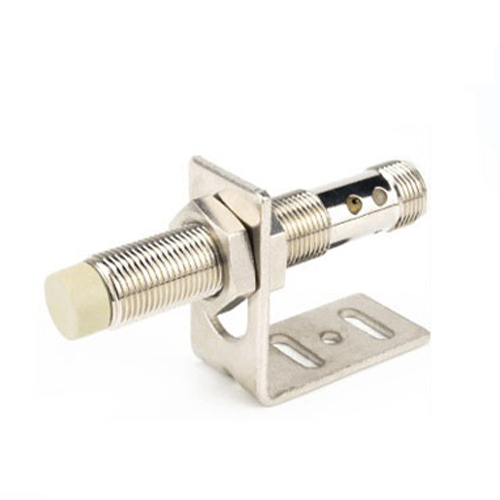
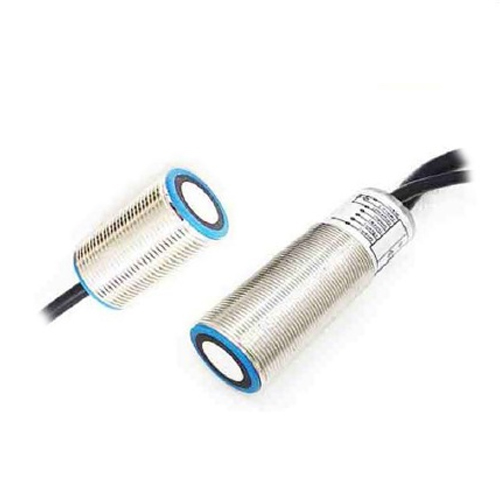
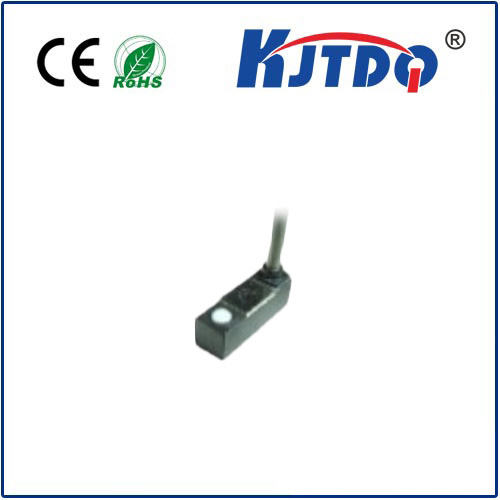
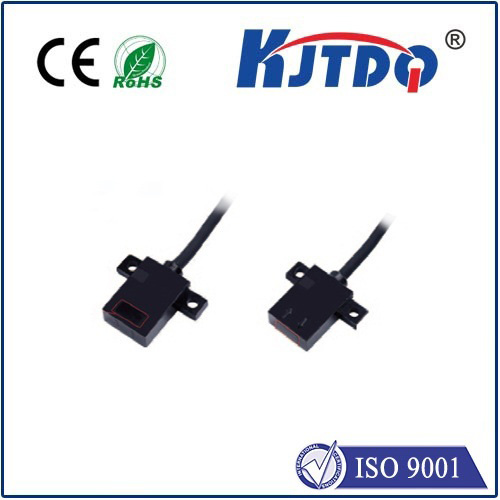
In the intricate world of industrial automation and consumer electronics, the demand for precise, reliable, and non-contact detection has never been greater. At the heart of this technological evolution lies the short range proximity sensor, a compact yet powerful device that has become indispensable. These sensors operate on various principles, including inductive, capacitive, and photoelectric technologies, each tailored for specific applications and materials. Their primary function is to detect the presence or absence of an object within a very close range, typically from a few millimeters up to several centimeters, without any physical contact.
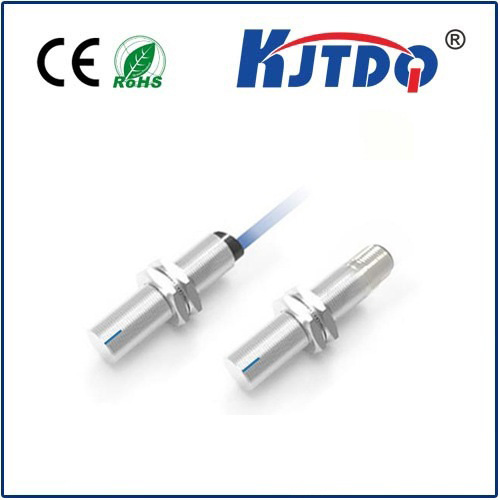
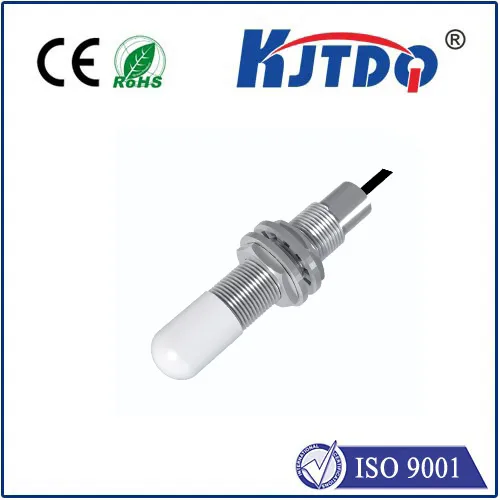
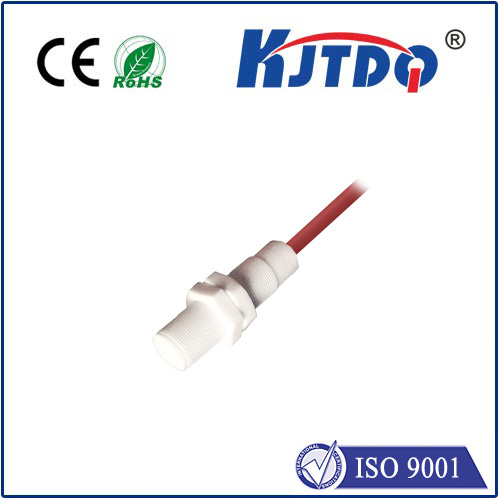
The operational principle of an inductive short range proximity sensor, for instance, involves generating an electromagnetic field. When a metallic object enters this field, it causes a change in the oscillation amplitude, which the sensor detects and converts into a switching signal. This makes them perfect for harsh industrial environments where dirt, oil, or moisture are present, as the non-contact nature eliminates wear and tear. Capacitive variants, on the other hand, can detect both metallic and non-metallic objects, such as liquids, plastics, or wood, by sensing changes in capacitance. This versatility opens doors for applications in packaging, level sensing, and material handling.
The integration of a short range proximity sensor into a system brings forth numerous advantages. Precision is paramount. These sensors offer highly accurate and repeatable detection, which is critical for quality control in manufacturing lines, ensuring components are correctly positioned for assembly or robotic pick-and-place operations. Their fast response time allows for high-speed counting and sorting tasks, significantly boosting production efficiency. Furthermore, their robust construction often ensures a long operational life with minimal maintenance, providing a strong return on investment.
Real-world applications are vast and varied. In the automotive industry, these sensors are used on assembly robots to ensure precise welding and part placement. Within consumer electronics, they enable features like automatic screen dimming in smartphones when held to the ear during a call. In automated packaging machinery, they verify the presence of a product before sealing a box. Safety is another critical domain; short range sensors can act as interlock devices on machine guards, ensuring equipment only operates when protective doors are securely closed, thereby protecting personnel.
Selecting the right short range proximity sensor requires careful consideration of several factors. The sensing range, while short, must match the specific application gap. The target material (metal, plastic, liquid) dictates whether an inductive or capacitive sensor is needed. Environmental conditions like temperature extremes, potential washdowns, or exposure to chemicals demand sensors with appropriate ingress protection (IP) ratings. The output type, such as NPN, PNP, or analog, must be compatible with the control system, typically a PLC (Programmable Logic Controller).
Looking ahead, the future of short range proximity sensing is intertwined with the growth of the Internet of Things (IoT) and Industry 4.0. Modern sensors are increasingly equipped with digital interfaces and smart diagnostics, capable of communicating performance data and predictive maintenance alerts directly to central control systems. This intelligence transforms them from simple switches into valuable data points within a connected factory ecosystem. Miniaturization continues to be a key trend, allowing these sensors to be embedded into ever-smaller devices and wearables.
In conclusion, the humble short range proximity sensor is a foundational component that drives efficiency, safety, and intelligence across countless sectors. Its ability to provide reliable, contactless detection in confined spaces makes it a silent yet powerful enabler of modern automation. As technology advances, these sensors will undoubtedly evolve, offering even greater precision, connectivity, and adaptability to meet the challenges of tomorrow's smart industries and innovative consumer products.