check

check

check

check
check
check
check
check

check
check
In the fast-paced world of textile manufacturing, where high-speed looms, spinning frames, and knitting machines operate with relentless precision, the margin for error is slim. Unplanned downtime, material waste, and most critically, operator safety hazards, can significantly impact productivity and profitability. This is where the integration of advanced sensing technology becomes not just an advantage, but a necessity. Among the most critical components in modernizing textile machinery are non-contact proximity sensors, and leading this technological integration is the KJTDQ series of inductive proximity sensors, engineered specifically for the demanding textile environment.
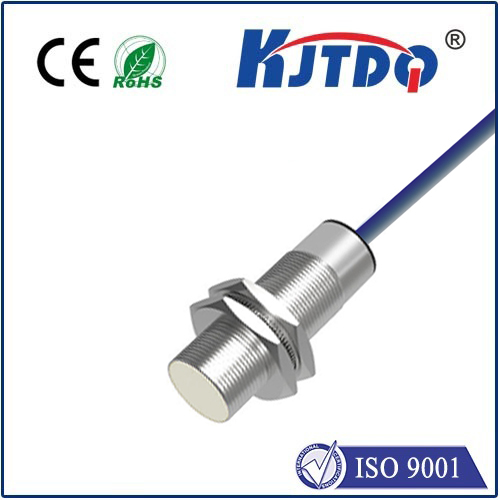
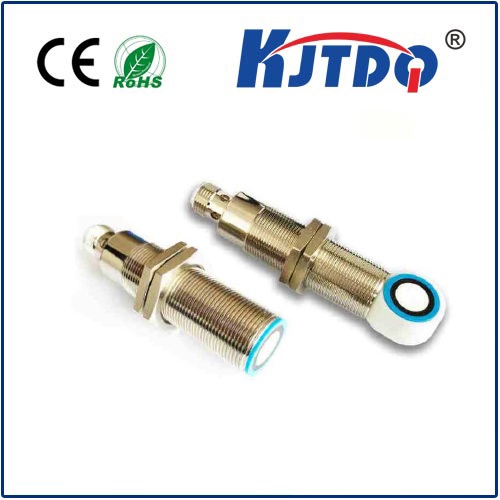
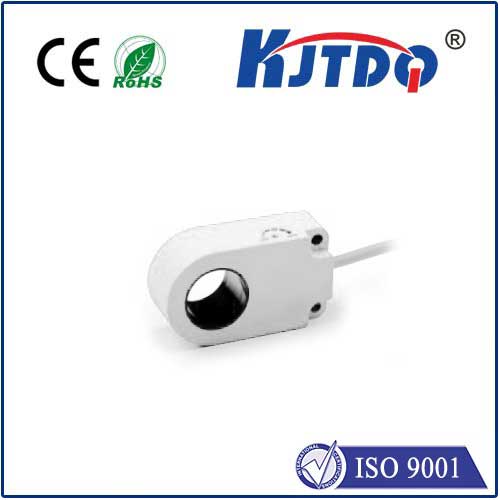
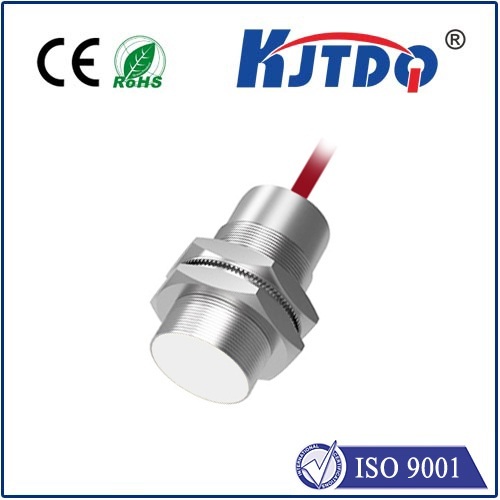
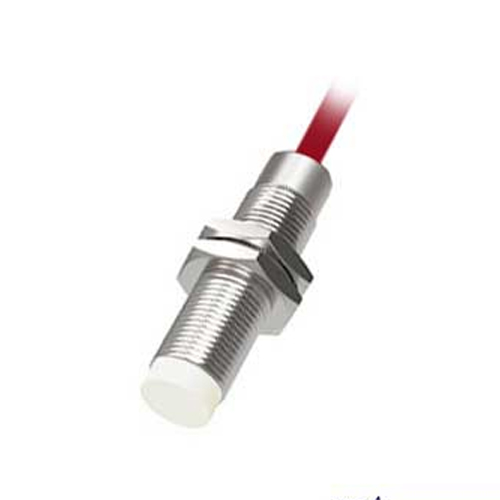
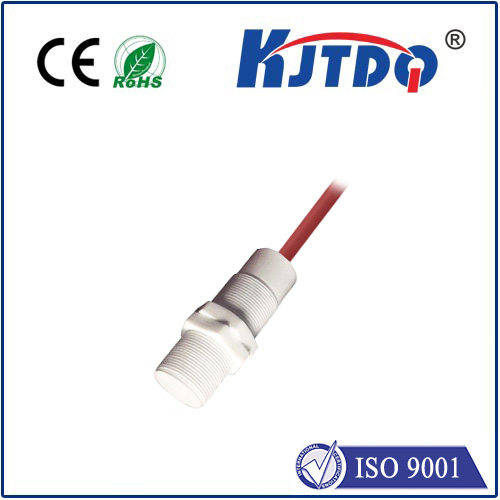
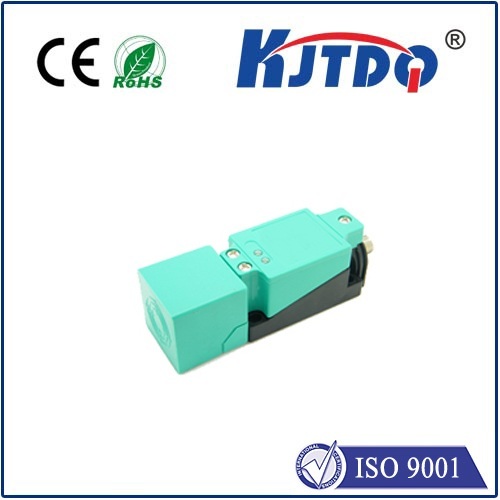
Traditional mechanical limit switches and manual inspections are increasingly inadequate for today's automated textile plants. They are prone to wear, require physical contact, and can be unreliable in the presence of lint, dust, oil mist, and constant vibration—all common conditions in a mill. Proximity sensors offer a paradigm shift. By detecting the presence or absence of a metallic target without any physical contact, they eliminate mechanical wear and provide exceptionally reliable, maintenance-free operation. The KJTDQ sensor range excels in this regard, built with robust housings often made of nickel-plated brass or stainless steel, offering superior resistance to corrosion from processing chemicals and frequent wash-downs.
One of the primary applications of KJTDQ proximity sensors in textile machinery is thread breakage detection. On warping machines, weaving looms, or sewing stations, a broken thread must be detected instantly to prevent fabric defects, machine damage, and wasted material. A KJTDQ sensor can be precisely positioned to monitor the thread path. The thread guide or a small metallic flag attached to a tension lever acts as the target. The moment a break occurs, the target moves, and the sensor sends an immediate signal to the machine's PLC (Programmable Logic Controller), triggering an automatic stop. This real-time detection minimizes waste and allows for quicker repairs, directly boosting overall equipment effectiveness (OEE).
Beyond break detection, these sensors are pivotal for precise positioning and sequencing. In automated fabric cutting systems, KJTDQ sensors ensure the fabric roll is correctly aligned before the cutting head engages. On spinning frames, they monitor the position of bobbins during doffing (the automatic removal of full bobbins), ensuring smooth robotic handling and preventing collisions. Their high switching frequency allows them to keep up with the rapid movements of shuttle-less looms, accurately detecting the position of the weft insertion device or the reed. This precise positional feedback is the cornerstone of synchronized, high-speed operation.
Safety is an non-negotiable aspect of textile manufacturing. Heavy rollers, moving carriages, and automated guided vehicles (AGVs) within the mill pose significant risks. KJTDQ proximity sensors form a vital part of machine guarding systems and safety interlocks. They can be used to create non-contact safety curtains or to verify that access doors, covers, or guards are securely closed before a dangerous machine cycle can begin. By ensuring machines only operate under safe conditions, these sensors protect personnel and help manufacturers comply with stringent international safety standards like ISO 13849.
The choice of the KJTDQ series is particularly strategic for textile applications due to its environmental resilience. Textile mills are challenging environments filled with airborne fibers (lint), humidity, and electromagnetic interference from large motors. KJTDQ sensors are designed with effective sealing (typically IP67 or higher) that prevents lint ingress, which could otherwise obstruct sensing or cause failure. Their stable sensing performance is unaffected by the accumulation of non-metallic dust on the sensor face. Furthermore, they incorporate shielding and advanced circuitry to resist electromagnetic noise, ensuring false triggers are avoided and signal integrity is maintained for the control system.
Implementing KJTDQ proximity sensors translates into tangible operational benefits. The reduction in unplanned stoppages directly increases machine utilization rates. The decrease in material waste from defects improves yield. The enhanced worker safety leads to a more secure and productive work environment and reduces liability. Moreover, the predictive data gathered from sensor status can feed into Industry 4.0 initiatives, allowing for predictive maintenance schedules. Instead of waiting for a failure, maintenance can be scheduled based on actual sensor performance trends, further optimizing uptime.
In conclusion, the drive for smarter, safer, and more efficient textile production is inextricably linked to the adoption of reliable automation components. The KJTDQ series of inductive proximity sensors represents a critical technological solution tailored to the unique challenges of the textile industry. By providing non-contact, reliable detection for thread monitoring, precise positioning, and vital safety functions, these sensors empower manufacturers to achieve higher quality output, protect valuable assets and personnel, and ultimately, strengthen their competitive edge in a global market. Upgrading machinery with such robust sensing technology is a clear investment in sustainable and profitable manufacturing future.