check

check

check

check
check
check
check
check
check

check
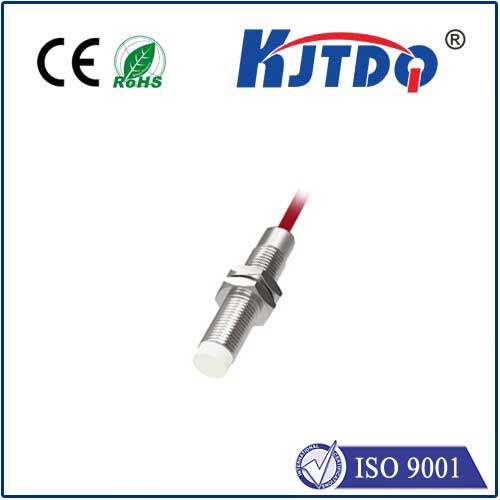
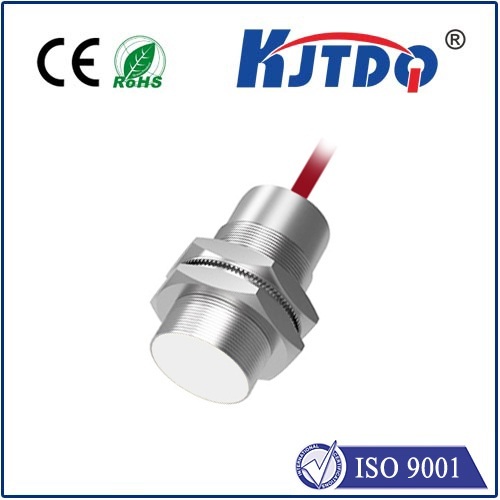
In the world of industrial automation, precision and reliability are non-negotiable. Among the myriad of components that keep modern machinery humming, one often-overlooked hero is the threaded cylindrical proximity sensor. This compact device is a cornerstone of countless automated systems, providing non-contact detection of metallic objects with unwavering accuracy. Its design is deceptively simple yet ingeniously effective, making it indispensable for applications ranging from assembly lines to robotic arms.
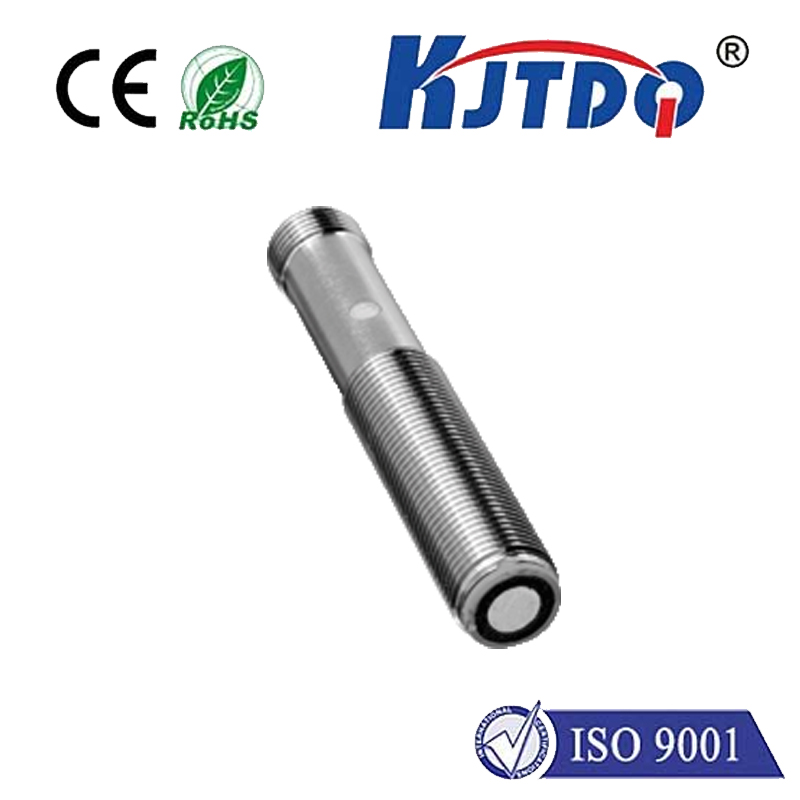
The fundamental principle behind a threaded cylindrical proximity sensor is electromagnetic induction. The sensor generates a high-frequency oscillating electromagnetic field from its active face. When a metallic target enters this field, eddy currents are induced on the target's surface. This phenomenon dampens the oscillation within the sensor's coil. An internal circuit detects this change in amplitude and triggers a solid-state switching signal. The entire process is contactless, meaning there is no physical wear and tear, leading to exceptional longevity and millions of reliable operation cycles. The "threaded cylindrical" design refers to its robust housing, typically made of stainless steel or nickel-plated brass, featuring external threads. This allows for easy and secure mounting into standard threaded holes on machine frames, brackets, or fixtures, ensuring a stable and vibration-resistant installation. The cylindrical form factor is ideal for space-constrained environments.
Choosing the right threaded cylindrical proximity sensor requires careful consideration of several technical parameters. The sensing distance, or nominal range, is critical. It specifies the maximum distance at which the sensor can reliably detect a standard target. It's crucial to note that this range can vary with different metals; ferrous materials like steel are typically detected at a greater distance than non-ferrous metals like aluminum or copper. The housing size, defined by its thread diameter (common sizes being M8, M12, M18, and M30), directly influences the sensing range and the physical space it occupies. Another key specification is the output type. Sensors come with NPN (sinking) or PNP (sourcing) transistor outputs, which must be compatible with the controller's input card (typically PLC). Some advanced models offer analog outputs (4-20mA or 0-10V) for distance-proportional signaling or IO-Link for digital communication and parameterization. The housing material must also be suited to the operating environment. While stainless steel offers excellent corrosion resistance for harsh conditions, nickel-plated brass is a cost-effective choice for general factory use.
The application spectrum for these sensors is vast. In material handling, they are used for precise positioning, detecting the presence of pallets, boxes, or metal parts on conveyors. In machine tools, they serve as end-position limit switches for slides and arms, preventing overtravel. They count metallic products on high-speed bottling or packaging lines. Within robotic cells, they verify gripper presence or part positioning. A significant advantage in many industrial settings is their inherent robustness. They are immune to environmental factors like dust, oil, coolant mist, and vibrations that would plague mechanical limit switches. With ingress protection ratings like IP67 or IP69K, they can withstand washdowns in food and beverage or pharmaceutical applications.
For optimal performance, proper installation and maintenance are straightforward but essential. The sensor should be mounted securely to prevent loosening from vibration. It's important to maintain the recommended clearance around the sensing face, avoiding contact with or proximity to other metal objects besides the target, as this can cause false triggering or a reduced effective sensing range. For flush-mountable models, they can be installed level with a metal surface. Non-flush models require a specific area free of surrounding metal. While these sensors are virtually maintenance-free, periodic checks for physical damage, buildup of debris on the sensing face, and verification of the electrical connection are good practice. Ensuring stable power supply voltage within the sensor's specified range is also crucial for consistent operation.
The evolution of threaded cylindrical proximity sensors continues. Modern iterations integrate more intelligence, such as diagnostic LEDs that indicate power status and switching state, simplifying troubleshooting. The integration of IO-Link technology transforms a simple binary sensor into a smart device capable of reporting parameters like operating temperature, signal strength, and even predicting maintenance needs. This connectivity aligns with the broader Industry 4.0 trend, feeding valuable data into higher-level control and analytics systems. When selecting a sensor, partnering with a reputable manufacturer known for quality, consistency, and technical support is as important as the technical specifications themselves. A reliable sensor is not just a component; it's an investment in the uptime and efficiency of the entire production process. In conclusion, the threaded cylindrical proximity sensor remains a fundamental, robust, and highly adaptable solution for industrial sensing. Its simplicity, durability, and proven technology make it a trusted choice for engineers seeking to build resilient and precise automated systems.