check

check

check

check
check
check
check
check
check

check
In the demanding environment of a modern steel mill, where molten metal flows and heavy machinery operates continuously, precision and reliability are non-negotiable. The integration of advanced proximity sensors has become a cornerstone for achieving unprecedented levels of operational safety, efficiency, and automation. These non-contact detection devices are pivotal in monitoring and controlling critical processes, transforming how mills manage their complex production lines.
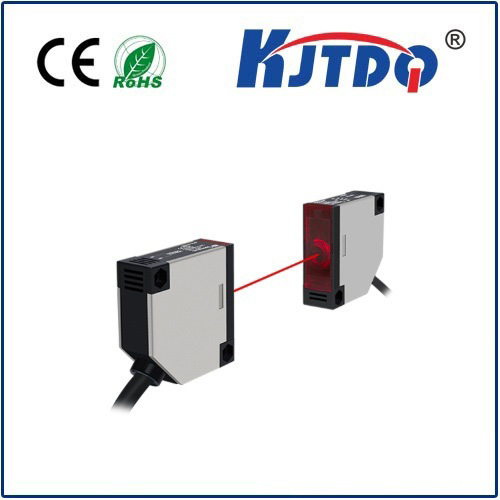
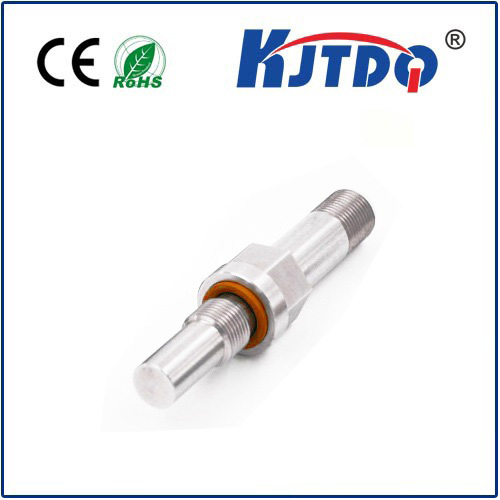
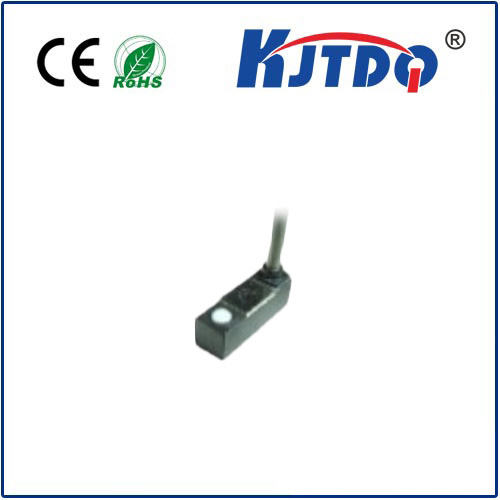
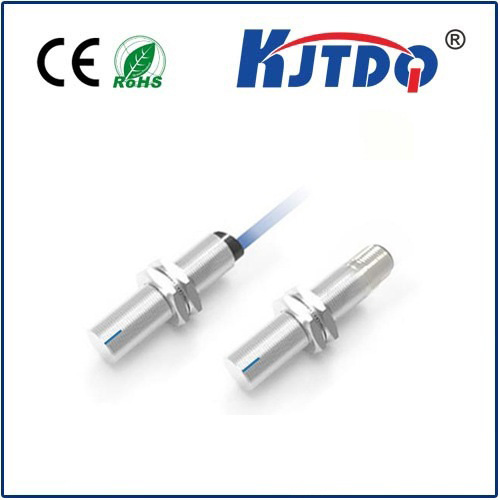
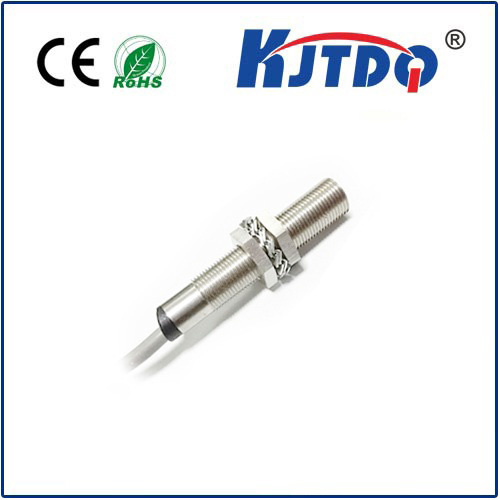
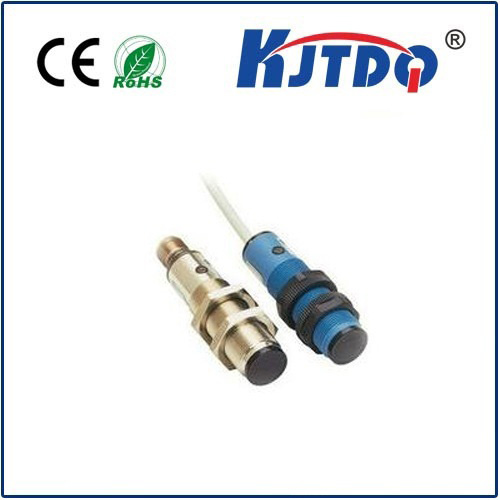
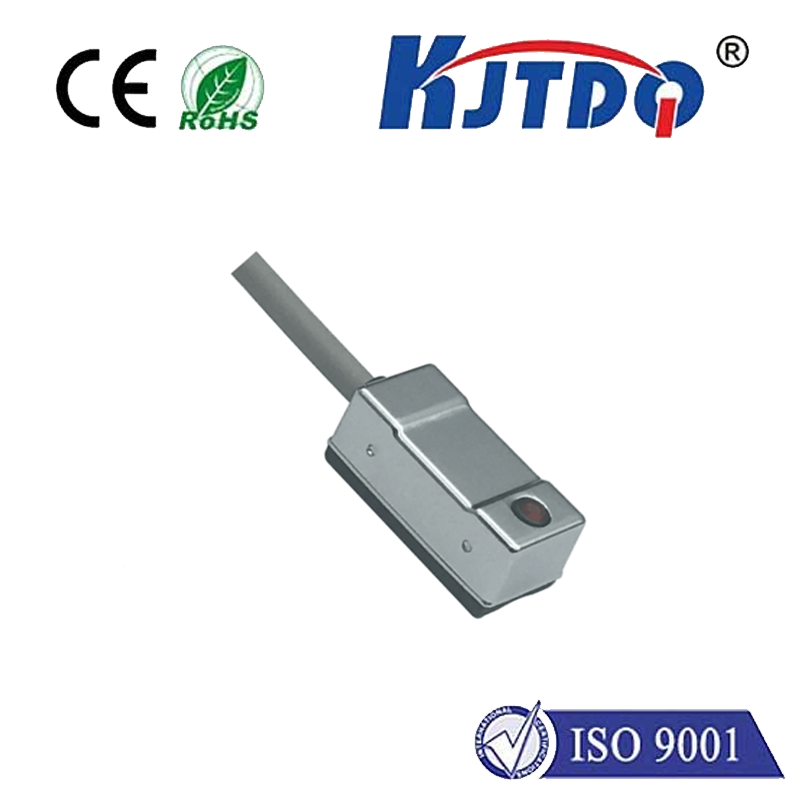
Proximity sensors in a steel mill primarily function to detect the presence, absence, or position of metallic objects without any physical contact. Utilizing technologies such as inductive, capacitive, and sometimes ultrasonic principles, these sensors excel in harsh conditions characterized by extreme temperatures, dust, vibration, and electromagnetic interference. Their robust construction, often with high-temperature ratings and protective housings, ensures consistent performance near furnaces, rolling mills, and casting areas.
The applications are vast and integral to daily operations. On conveyor systems, inductive proximity sensors accurately track the position of steel slabs, coils, and billets, ensuring smooth material flow and preventing jams or collisions. In robotic welding and handling cells, they provide precise positional feedback, enabling robots to manipulate hot or heavy components with millimeter accuracy. Perhaps most critically, they serve as essential safety sentinels. Sensors are deployed to confirm the proper closure of furnace doors, the secure positioning of ladles before tilting, and the presence of personnel in restricted zones, initiating emergency stops if a breach is detected.
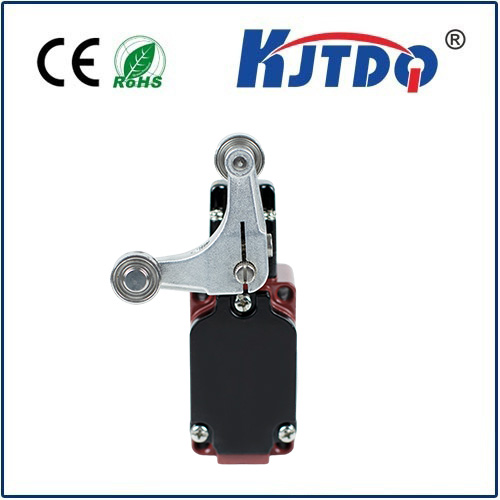
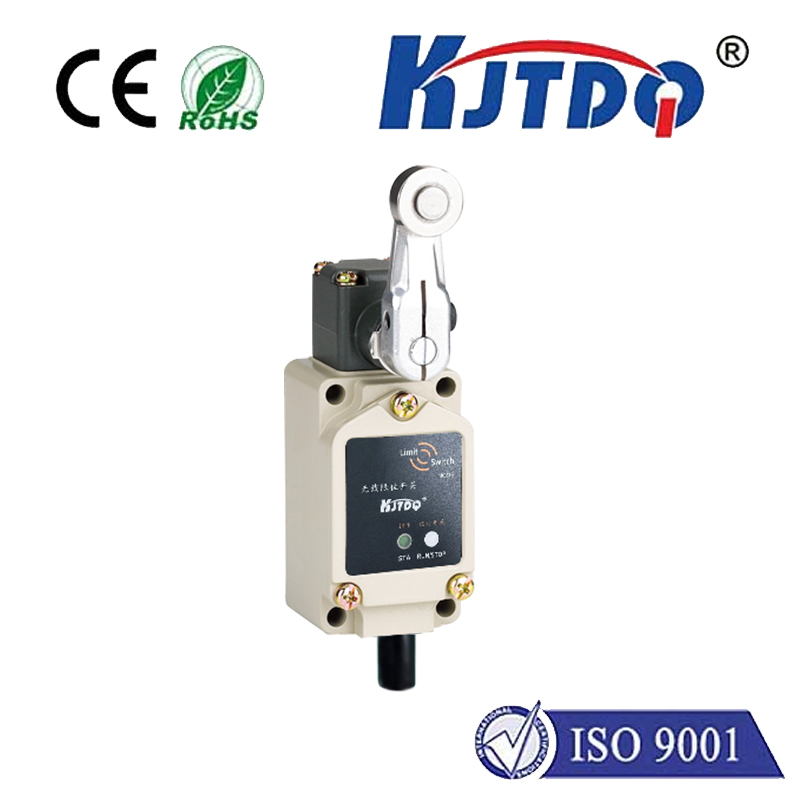
The benefits of deploying high-quality proximity sensors are multifaceted. Firstly, they dramatically enhance worker safety by replacing manual inspections in dangerous areas with automated, fail-safe detection. This reduces the risk of accidents involving high-temperature materials or moving equipment. Secondly, they boost production efficiency. By enabling precise automation, they minimize downtime caused by misalignments or errors, increase the speed of operations, and contribute to consistent product quality. Thirdly, they reduce maintenance costs. Their non-contact nature eliminates mechanical wear and tear associated with limit switches, leading to longer service life and less frequent replacements, even in abrasive environments.
When selecting proximity sensors for steel mill applications, several factors are paramount. The sensing range, temperature tolerance, and housing material must be carefully matched to the specific installation point. Immunity to electrical noise from large motors and welding equipment is crucial for stable signal output. Furthermore, sensors with IO-Link or other digital communication capabilities are increasingly valued for providing diagnostic data, such as signal strength and operating temperature, facilitating predictive maintenance.
In conclusion, the humble proximity sensor is a technological powerhouse within the steel industry. By providing reliable, non-contact detection in the most challenging environments, these devices are indispensable for building smarter, safer, and more productive steel mills. Their continuous evolution, offering greater intelligence and resilience, promises to further drive the industry's journey towards fully integrated, Industry 4.0-enabled manufacturing facilities, where every process is monitored, optimized, and secured in real-time.