check

check

check

check
check
check
check
check
check

check
In the fast-paced world of food production and processing, precision, hygiene, and reliability are non-negotiable. The integration of advanced technology is no longer a luxury but a necessity to meet stringent safety standards and optimize operational workflows. Among the most transformative tools are proximity sensors, specifically engineered for the demanding environments of the food industry. The KJTDQ series of proximity sensors stands out as a pivotal solution, designed to address the unique challenges faced by manufacturers and processors.
Traditional mechanical switches and contact-based detection methods often fall short in food industry applications. They can be prone to contamination, wear and tear from frequent cleaning cycles, and failure in moist or corrosive environments. This is where non-contact sensing technology becomes invaluable. Proximity sensors detect the presence or absence of an object without physical contact, using electromagnetic fields or capacitive sensing principles. This fundamental characteristic eliminates a major source of contamination risk and mechanical failure.
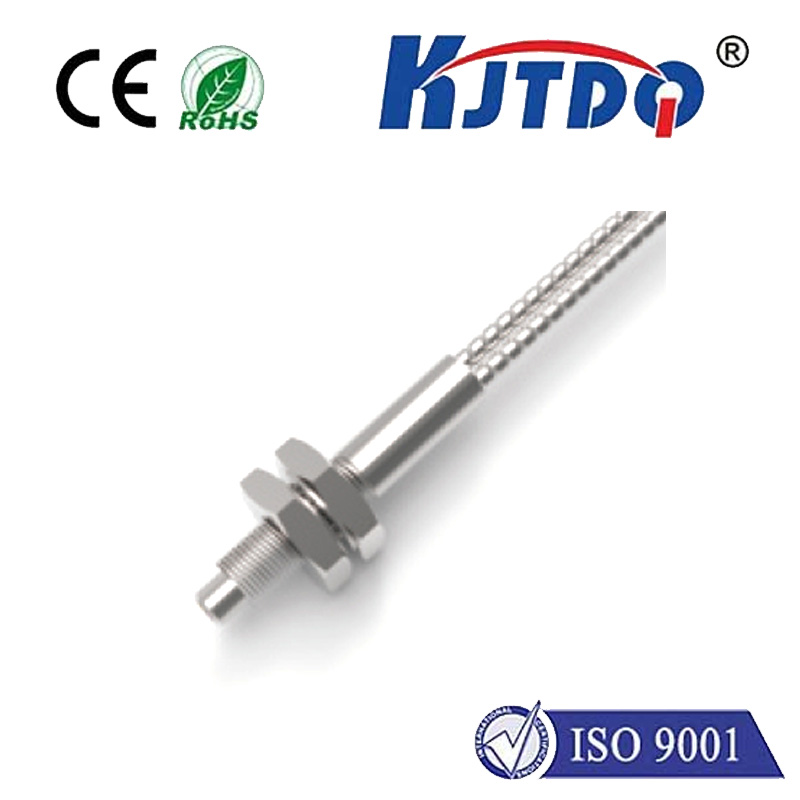
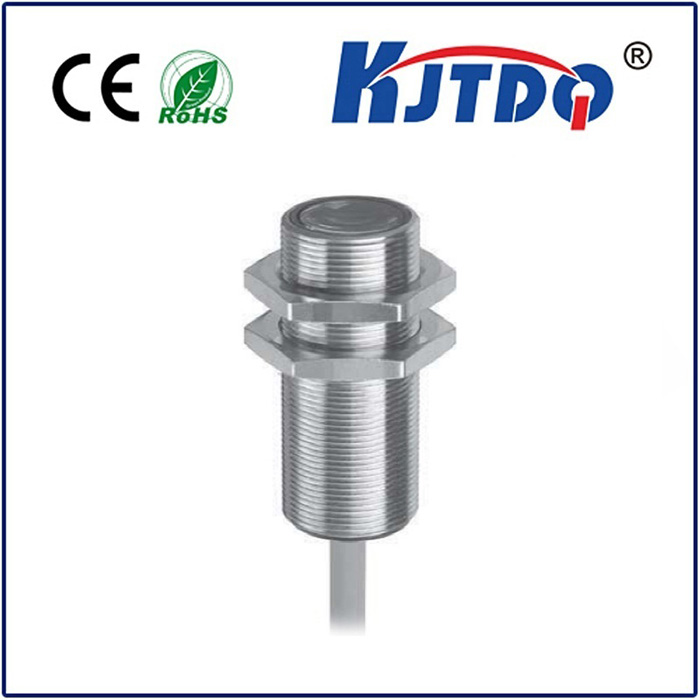
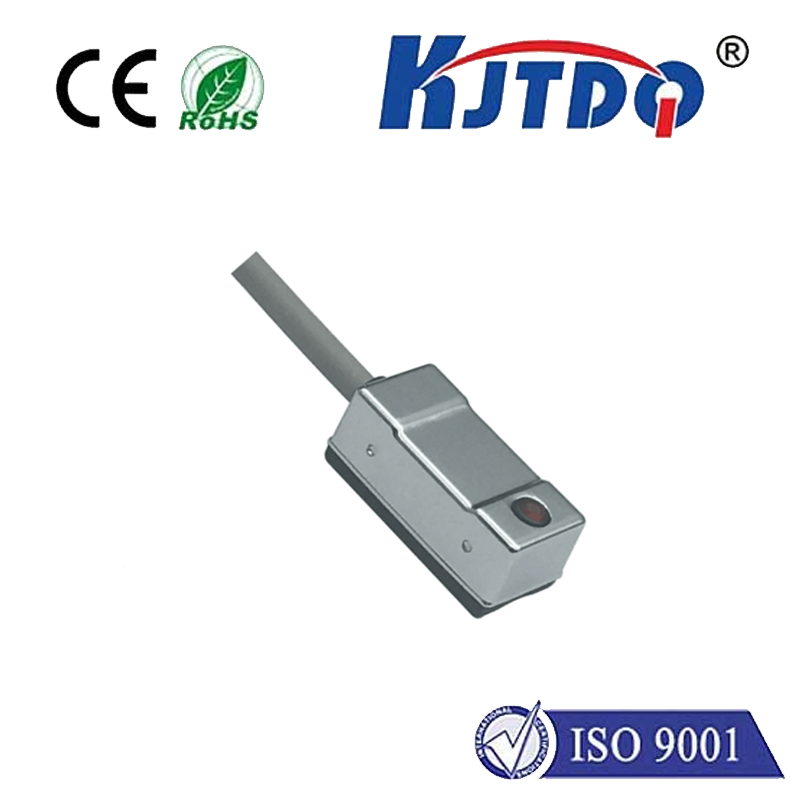
The KJTDQ proximity sensor range is built with the core tenets of the food industry in mind. Constructed from high-grade stainless steel (often 316L grade) and featuring polished surfaces, these sensors withstand the rigors of daily washdowns with high-pressure, high-temperature water and harsh cleaning chemicals like caustic sodas. Their robust ingress protection ratings, typically IP67, IP68, or IP69K, ensure complete resistance to water and dust ingress, guaranteeing consistent performance even in the wettest processing areas, such as vegetable washing lines or meat chilling rooms.
Beyond durability, precision is paramount. KJTDQ sensors offer high repeat accuracy, ensuring that every bottle on a filling line, every package on a conveyor, or every lid on a capping machine is detected reliably. This prevents jams, reduces product waste, and maintains a smooth, continuous flow. For instance, in packaging operations, these sensors can accurately count products, verify the correct positioning of labels, or confirm that a case is fully loaded before sealing. This level of control directly translates to increased throughput and reduced downtime.
Hygiene is the cornerstone of food safety. The seamless, crevice-free design of KJTDQ sensors prevents the accumulation of food particles, bacteria, and moisture. This design is not only easier to clean but also aligns with global food safety protocols like HACCP, FDA, and EHEDG guidelines. By minimizing potential harborage points for pathogens, these sensors contribute proactively to a safer production environment. Their non-contact operation further eliminates the risk of product contamination from sensor wear debris.
The applications are diverse and critical across the sector. In bottling plants, KJTDQ sensors monitor liquid levels or detect bottle presence for filling and capping. On conveyor systems, they ensure proper spacing between products to prevent collisions. In automated palletizing, they confirm the presence of a pallet before the robotic arm begins stacking. They are also essential in safety systems, acting as part of interlock mechanisms on access doors to processing equipment, ensuring machinery only operates when it is safe to do so.
Implementing KJTDQ proximity sensors offers a clear return on investment. The reduction in unplanned maintenance, thanks to their rugged design, lowers operational costs. The decrease in product waste and line stoppages boosts overall equipment effectiveness (OEE). Furthermore, by enhancing traceability and control, they support better data collection for process optimization and quality assurance. In an industry where margins can be tight and regulations stringent, such technological upgrades are key to maintaining competitiveness.
Choosing the right sensor requires consideration of factors like sensing range, output type (PNP/NPN), and specific environmental conditions. The KJTDQ series provides a versatile portfolio to meet these varied needs, offering both inductive and capacitive models for detecting different materials, from metal machine parts to plastic containers or even liquids through glass.
In conclusion, as the food industry continues to evolve towards greater automation and smarter factories, the role of reliable, hygienic sensing technology becomes increasingly central. The KJTDQ proximity sensor exemplifies this evolution, providing a robust, precise, and clean solution that enhances both the efficiency and safety of modern food production. By investing in such advanced sensing technology, companies are not just upgrading a component; they are fortifying their entire production chain against inefficiency and risk, ensuring they deliver quality products consistently and safely.