check

check

check

check
check
check
check
check
check

check
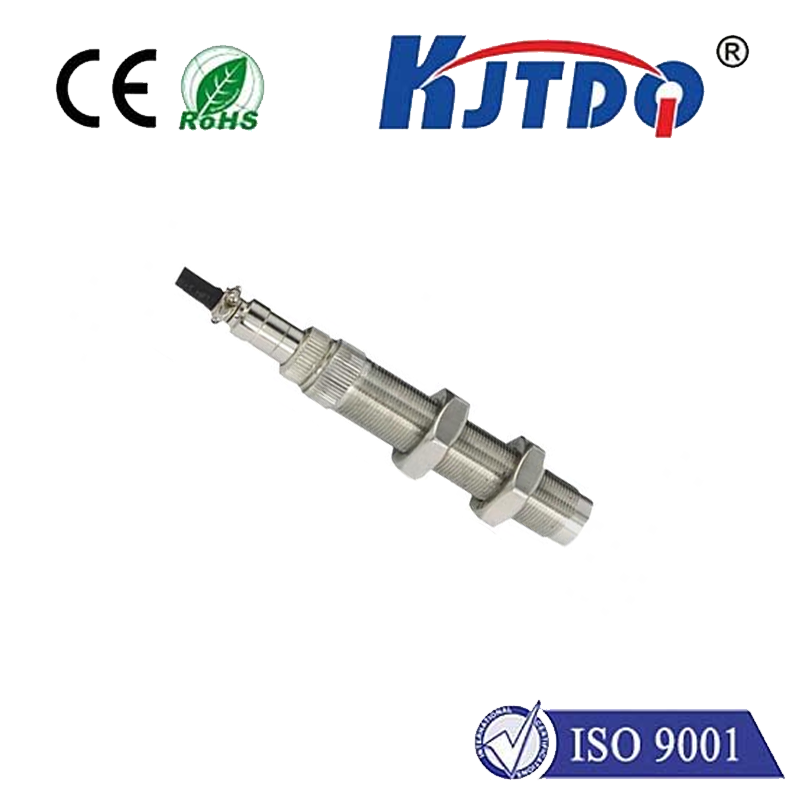
In the world of industrial automation and smart device design, space is often at a premium. Engineers and designers constantly face the challenge of integrating reliable sensing technology into increasingly compact and complex assemblies. This is where the short body proximity sensor emerges as a critical component, offering high-performance detection in a minimal footprint. Unlike standard sensors, these specialized devices are engineered with a significantly reduced housing length, allowing for installation in tight spaces where traditional sensors simply cannot fit.
The core technology behind a short body inductive proximity sensor remains the same as its larger counterparts. It generates an electromagnetic field and detects changes caused by the presence of a metallic target. However, achieving this in a shortened form factor requires advanced engineering in coil design, oscillator circuit miniaturization, and efficient shielding. The result is a sensor that delivers dependable operation—typically with sensing ranges suitable for its compact size—while resisting interference from adjacent metal or other sensors. Common applications are found in tightly packed robotic grippers, within the confines of CNC tool changers, on miniature assembly lines, and inside compact machinery where every millimeter counts.
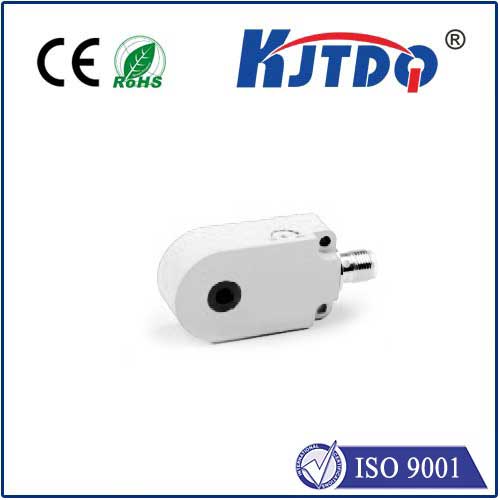
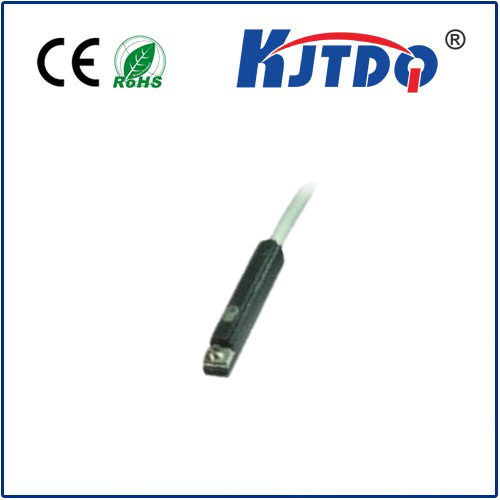
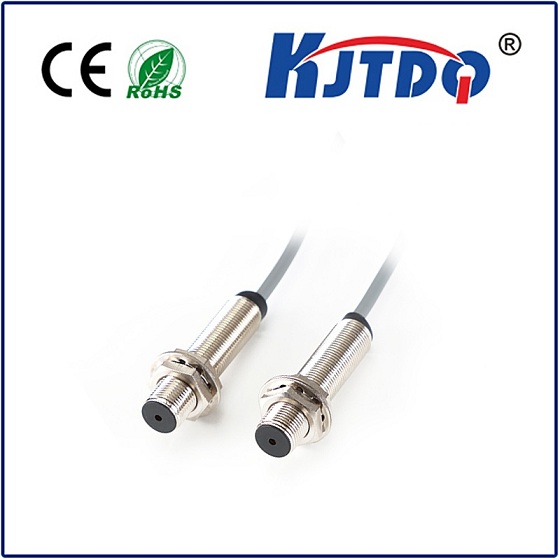
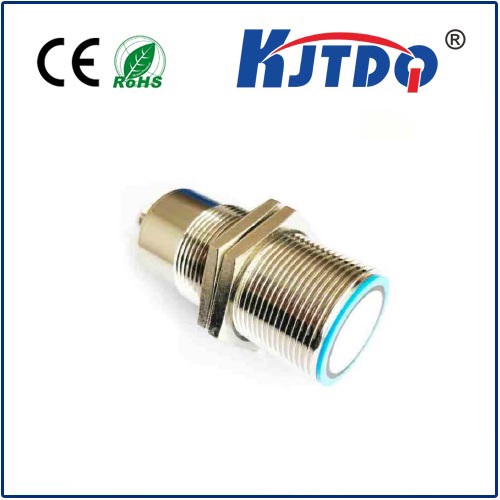
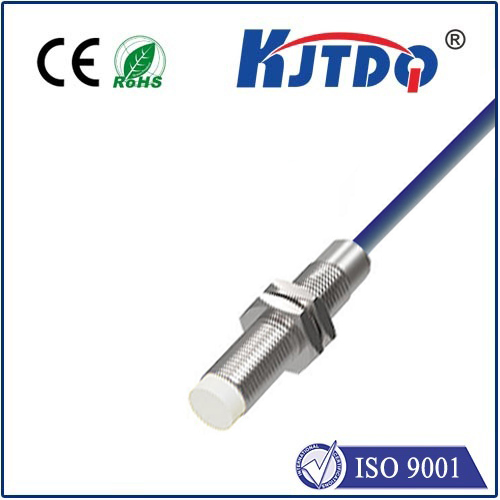
Selecting the right short body proximity sensor involves several key considerations. First, the sensing distance must be evaluated relative to the available space and the required application precision. While the range is shorter than a standard sensor, it must be sufficient for the task. The housing material is another vital factor; many models feature robust stainless steel faces or nickel-plated brass barrels to withstand harsh environments containing coolants, metal chips, or washdowns. Connection styles also vary, with some models offering compact M8 or M12 connectors, and others featuring direct cable exits or pigtail leads for flexible integration into dense control panels.
The benefits of implementing these sensors extend beyond mere size savings. Their compact design reduces overall machine weight and can lead to more streamlined, aesthetically pleasing product designs. In high-speed automation, the reduced mass can contribute to faster cycle times. Furthermore, their reliability in detecting the presence or absence of components, verifying clamp positions, or counting small metallic parts directly impacts production efficiency and quality control. By preventing jams and misalignments, they minimize downtime and maintenance costs.
Installation and maintenance, while straightforward, demand attention to detail. Ensuring the correct mounting, with adequate clearance around the sensing face as specified by the manufacturer, is essential for optimal performance. Even though the body is short, the sensing field pattern must be understood to avoid false triggers from nearby machinery or the mounting bracket itself. Regular checks for physical damage, buildup of debris on the sensing face, and verification of output signals are part of a robust preventative maintenance routine that ensures long-term sensor integrity.
As industries push towards greater miniaturization and the Internet of Things (IoT) expands, the role of the short body proximity sensor is set to grow. Future iterations may incorporate even smarter features, such as IO-Link communication for digital parameter setting and condition monitoring, all within the same tiny package. For any project constrained by space but uncompromising on reliability, the short body proximity sensor stands out as an indispensable engineering solution, enabling innovation where size matters most.