check

check

check

check
check
check
check
check
check

check
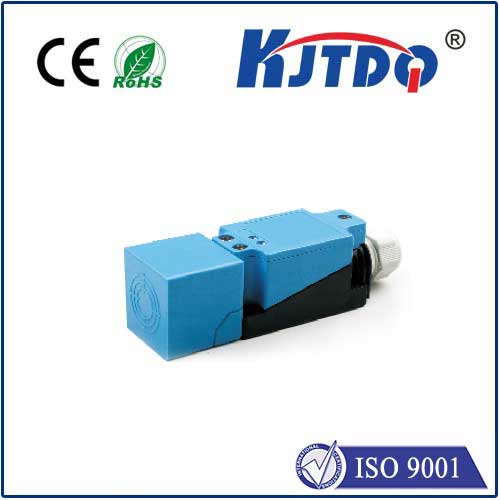
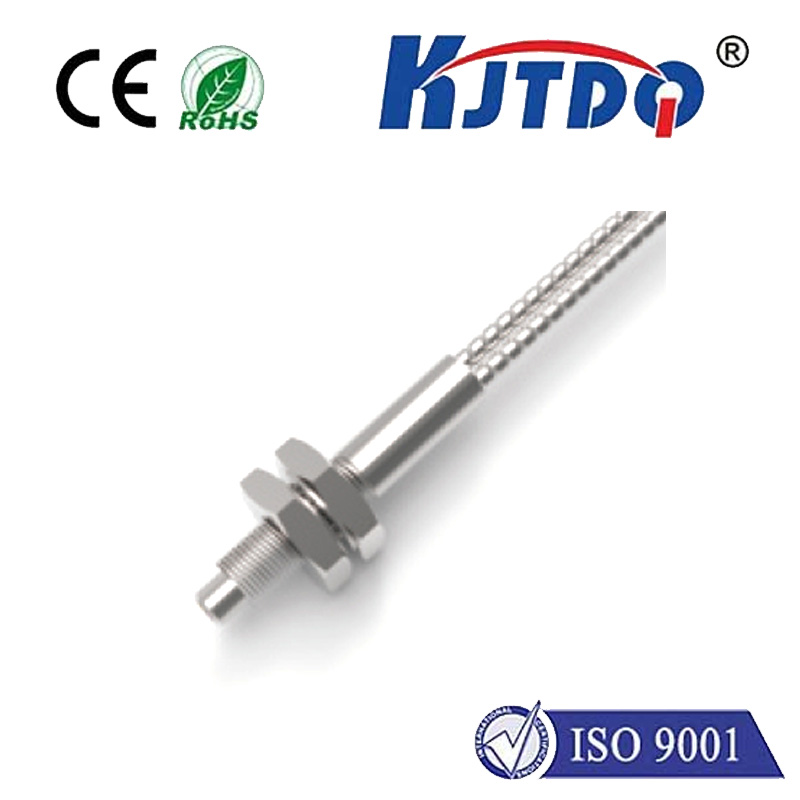
In the demanding world of industrial automation, sensor reliability is non-negotiable. Machinery operates in environments filled with electrical noise, vibration, and electromagnetic interference (EMI). A standard proximity sensor might falter, leading to false triggers, missed detections, and costly production downtime. This is where a proximity sensor engineered with advanced noise resistant design becomes a critical component, ensuring unwavering performance where it matters most.
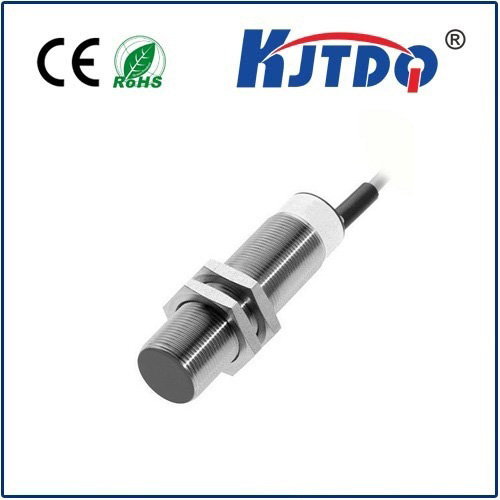
The core challenge in industrial settings is electrical noise. This can originate from variable frequency drives (VFDs), welding equipment, large motors, or even communication cables running in parallel. Traditional sensors can misinterpret this noise as a valid signal, causing erratic behavior. A true noise resistant design employs a multi-faceted approach to immunity. It starts with robust hardware shielding, enclosing sensitive internal circuitry in a metal housing that acts as a Faraday cage, deflecting external EMI. Furthermore, sophisticated filtering algorithms within the sensor's integrated circuit actively distinguish between the genuine signal from the target and background electrical noise. This combination of physical and electronic protection creates a formidable barrier against interference.
Another key aspect of this design is stability in the face of power supply fluctuations. Industrial power lines are rarely clean. Sensors with poor noise immunity may reset or behave unpredictably during voltage dips or surges. A well-designed noise resistant proximity sensor incorporates stable voltage regulation and wide operating voltage ranges, maintaining consistent detection performance even when the power supply is less than ideal. This resilience translates directly to fewer machine stoppages and a smoother production flow.
The benefits of implementing such sensors are substantial. First and foremost is enhanced operational reliability. Production lines experience fewer false stops, maximizing equipment uptime and Overall Equipment Effectiveness (OEE). Secondly, it reduces maintenance costs and diagnostic time. Technicians spend less time troubleshooting phantom sensor issues, allowing them to focus on proactive maintenance. Thirdly, it improves product quality. Consistent and accurate detection ensures processes like positioning, counting, and end-of-travel sensing are executed flawlessly, reducing defects.
Consider common applications. In automotive assembly lines, where welding robots generate immense EMI, noise resistant sensors reliably detect parts on fast-moving conveyors. In metal stamping presses, they provide precise position feedback amidst heavy vibration. In packaging machinery, they ensure accurate bottle or box counting without interference from nearby motor drives. In each case, the sensor's immunity is the foundation of a reliable control loop.
Selecting the right sensor requires attention to specifications. Look for explicit ratings for noise immunity, often stated in volts per meter (V/m) for EMI or according to international standards like IEC 60947-5-2. A high IP rating for ingress protection (e.g., IP67) often correlates with robust construction that also aids in noise resistance. The sensing range and housing material (e.g., stainless steel) should be chosen for the specific application environment.
Ultimately, the integration of a proximity sensor with a dedicated noise resistant design is not merely an upgrade; it is a strategic investment in plant floor stability. It moves beyond basic detection to provide intelligent, dependable operation that forms the backbone of modern, connected industrial systems. By eliminating a major source of unpredictability, these sensors empower engineers to build more resilient, efficient, and productive automation solutions, ensuring that the entire system performs as intended, day in and day out, regardless of the electrically challenging environment.