check

check

check

check
check
check
check
check
check

check
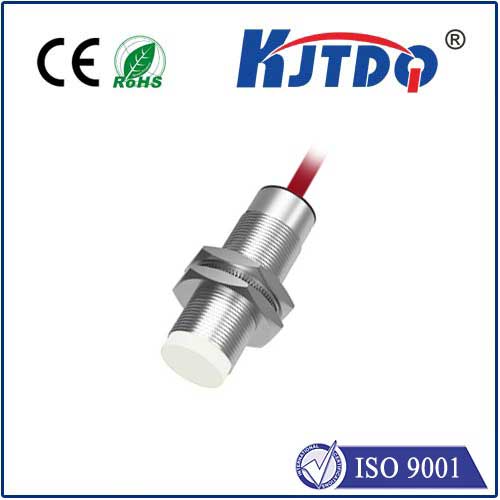
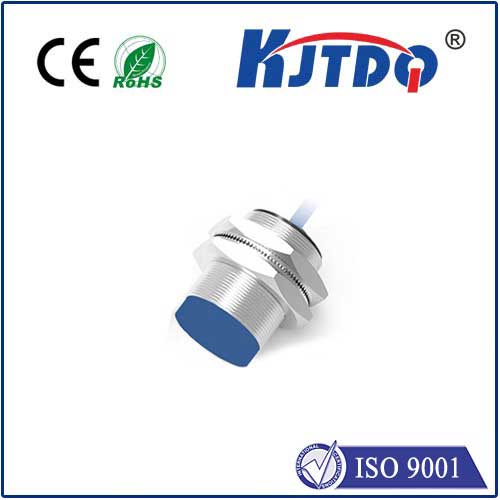
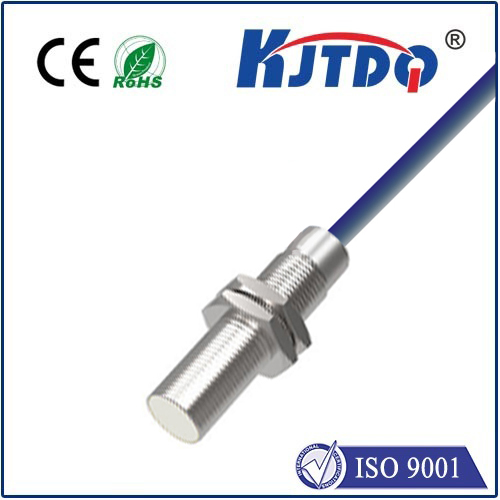
In the rapidly evolving landscape of industrial automation, the demand for reliable and precise detection components is paramount. Among the critical elements enabling this precision is the proximity sensor, a device designed to detect the presence or absence of an object without physical contact. Specifically, sensors with a 30mm sensing distance have carved out a significant niche, offering an optimal balance between range, accuracy, and integration flexibility. This article delves into the functionality, applications, and key considerations of the 30mm sensing distance proximity sensor, highlighting its role in enhancing operational efficiency and safety.
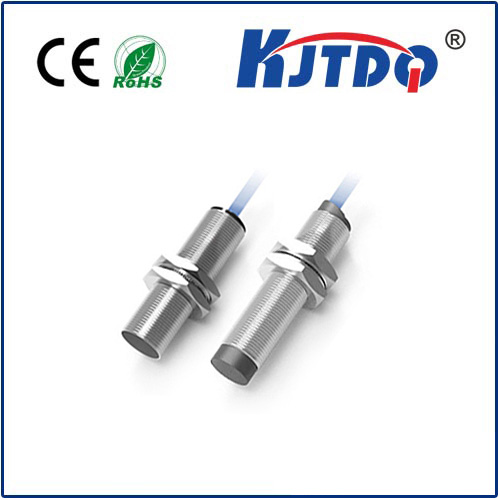
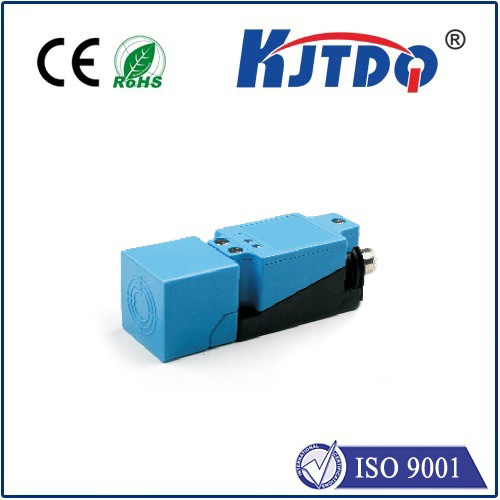
A proximity sensor operating at a 30mm range typically utilizes electromagnetic or capacitive sensing principles. Inductive sensors, common in metal detection, generate an electromagnetic field. When a metallic object enters this field within the specified 30mm range, it causes a change in oscillation amplitude or frequency, triggering the sensor's output switch. Capacitive sensors, capable of detecting both metallic and non-metallic materials, work by sensing changes in capacitance when an object enters their electrostatic field. The 30mm distance is not arbitrary; it represents a sweet spot for many applications—close enough to ensure high accuracy and resistance to environmental interference like dust or moisture, yet sufficient to allow for mechanical clearance and ease of installation in compact machinery.
The advantages of a precisely calibrated 30mm sensing distance are manifold. Firstly, it enhances repeatability and reliability. In high-speed production lines, such as those in automotive manufacturing or packaging, consistent detection at this range minimizes false triggers and ensures seamless operation. For instance, in robotic assembly arms, these sensors can accurately confirm the position of components before a welding or placement operation, preventing costly errors and downtime. Secondly, the 30mm range contributes to improved safety. In automated guided vehicles (AGVs) or machinery with moving parts, these sensors can act as non-contact safety switches, detecting obstructions or personnel within a defined perimeter to initiate emergency stops or warnings, thereby reducing workplace accidents.
When selecting a 30mm proximity sensor, several technical specifications warrant attention. The sensing distance itself, often noted as the nominal range, can be influenced by factors like target material, size, and environmental conditions. For inductive sensors, the target must typically be ferrous or non-ferrous metal of a minimum size relative to the sensor face. Operating voltage and output type (e.g., NPN, PNP, or analog) must align with the control system's requirements. Additionally, housing material is crucial; sensors in harsh environments may require stainless steel or ruggedized polymer housings with high ingress protection (IP) ratings against dust and water. Frequency response, indicating how quickly the sensor can detect objects in rapid succession, is vital for dynamic applications. Lastly, temperature tolerance ensures stable performance in varied industrial settings, from cold storage facilities to high-temperature foundries.
Real-world applications of 30mm sensing distance proximity sensors span diverse industries. In material handling and logistics, they are employed on conveyor belts to count boxes, detect jams, or position items for sorting. The food and beverage industry utilizes them, often in washdown-safe versions, to monitor fill levels in containers or control valve positions. In the realm of electronics manufacturing, these sensors assist in PCB board positioning or verifying the insertion of connectors. Beyond traditional factories, they are integral to modern smart infrastructure, such as automated parking systems where they detect vehicle presence for gate control or in elevator systems for floor-level alignment.
Installation and maintenance practices significantly impact sensor longevity and accuracy. Proper mounting is essential; sensors should be securely fixed to avoid vibration-induced misalignment, and adequate clearance around the sensing face must be maintained to prevent interference from surrounding metal structures. Regular calibration checks, though minimal for many solid-state designs, help sustain performance over time. Cleaning the sensor face from accumulated debris, such as metal shavings or oil, ensures consistent field generation and detection. For networks of sensors, shielding cables and ensuring proper grounding can mitigate electrical noise that might affect signal integrity.
Looking ahead, the integration of 30mm proximity sensors with Industrial Internet of Things (IIoT) platforms is a growing trend. Modern sensors may feature IO-Link communication, enabling not just binary detection but also the transmission of parametric data like temperature, signal strength, or device health to centralized monitoring systems. This facilitates predictive maintenance, where potential failures can be anticipated before they cause disruption, further elevating productivity. Moreover, advancements in miniaturization allow these sensors to fit into increasingly compact devices, from medical equipment to consumer electronics assembly lines, without compromising on the reliable 30mm range.
In conclusion, the 30mm sensing distance proximity sensor stands as a cornerstone of contemporary automation, offering a blend of precision, durability, and versatility. Its ability to provide non-contact detection at an optimal range makes it indispensable for ensuring efficiency, quality, and safety across myriad applications. As industries continue to embrace smarter, more connected systems, the role of such sensors will only expand, driven by ongoing innovations in sensitivity, connectivity, and environmental resilience. Selecting the right sensor, with careful attention to specifications and operating conditions, is key to unlocking its full potential in any automated setup.