check

check

check

check
check
check
check
check

check
check
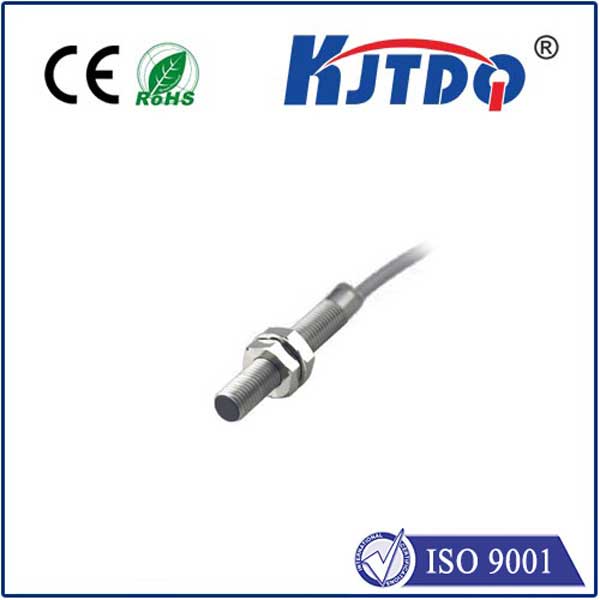
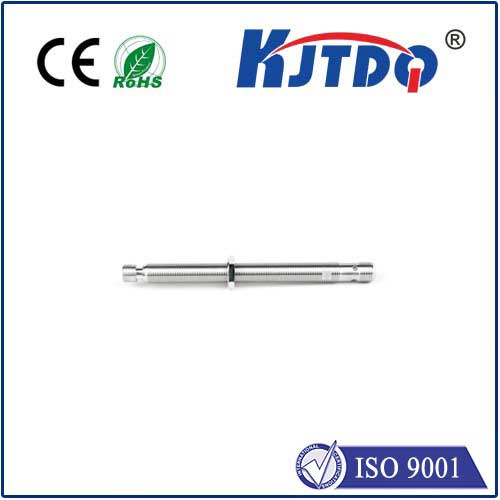
In today's rapidly evolving industrial and consumer electronics landscape, the demand for precise, reliable, and tailored sensing solutions has never been greater. OEM custom proximity sensors stand at the forefront of this demand, offering specialized functionality that off-the-shelf components simply cannot match. These sensors are engineered to detect the presence or absence of an object within a specified range without physical contact, utilizing various technologies such as inductive, capacitive, ultrasonic, and photoelectric principles. The decision to opt for a custom-designed proximity sensor is often driven by unique application requirements involving specific detection ranges, environmental conditions, form factors, output signals, or integration protocols.
The primary advantage of an OEM custom proximity sensor lies in its optimized performance for a singular purpose. For instance, in automated manufacturing lines, a sensor might need to detect metallic components at high speeds while resisting interference from coolant sprays, metal chips, and electromagnetic noise. A standard sensor might falter, but a custom unit can be designed with specific shielding, housing materials like stainless steel or specialized plastics, and tuned sensing characteristics to operate flawlessly. Similarly, in the food and beverage industry, sensors require easy-clean surfaces, specific IP ratings for washdown environments, and materials compliant with health regulations—specifications perfectly addressed through customization.
The development process for a custom proximity sensor is a collaborative journey between the OEM and the sensor technology provider. It begins with a thorough analysis of the application's technical parameters: the target material (metal, plastic, liquid, etc.), required sensing distance, response time, operating voltage, output type (PNP/NPN, analog, IO-Link), and environmental stressors like temperature extremes, humidity, or vibration. Electrical and mechanical interfaces are also critical, ensuring the sensor seamlessly integrates into existing machine designs or control systems. This phase often involves prototyping and rigorous testing to validate performance under real-world conditions before full-scale production.
Beyond industrial automation, custom proximity sensors enable innovation in diverse fields. In automotive applications, they contribute to advanced driver-assistance systems (ADAS) and smart interior features. In medical devices, miniaturized and highly reliable sensors ensure patient safety and equipment accuracy. Consumer electronics leverage them for touchless interfaces and power management. The flexibility of customization allows engineers to overcome spatial constraints, improve energy efficiency, and enhance overall system intelligence.
Choosing the right partner for OEM custom proximity sensors is crucial. A proficient provider offers not just manufacturing capability but also deep application engineering expertise. They guide the OEM through material selection, circuit design, and compliance with relevant industry standards (e.g., CE, UL, RoHS). Long-term support, including consistent quality control and the ability to scale production, forms the backbone of a successful partnership. Ultimately, investing in a custom solution translates into reduced system failures, lower long-term maintenance costs, and a stronger, more differentiated end product in the market.
As industries push towards greater automation and connectivity within the framework of Industry 4.0 and the Internet of Things (IoT), the role of the intelligent sensor becomes more central. Custom proximity sensors with integrated smart features, such as condition monitoring and predictive maintenance data output, are becoming increasingly valuable. They transform from simple detection devices into critical data points within a networked system, providing insights that drive efficiency and productivity. For OEMs, this means an opportunity to build more competitive, reliable, and innovative machines and devices by leveraging sensing technology that is precisely aligned with their vision and operational demands.