check

check

check

check
check
check
check
check
check

check
In modern manufacturing, precision is not just a goal—it's a fundamental requirement. CNC machines have revolutionized production lines by offering unparalleled accuracy and repeatability. However, even the most advanced CNC systems can face challenges related to tool wear, material inconsistencies, and environmental factors. This is where proximity sensors step in as silent guardians of precision. These compact electronic devices detect the presence or absence of objects without physical contact, providing critical real-time data to the machine's control system.
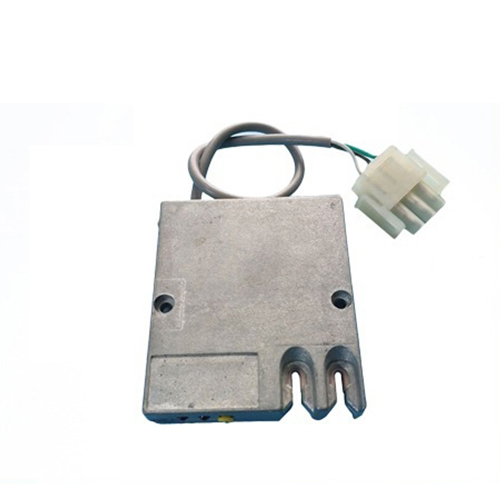
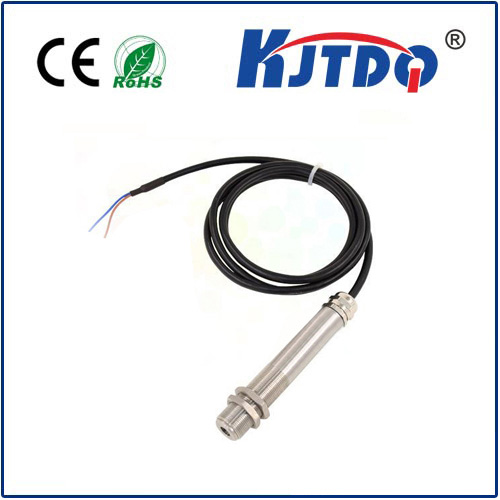
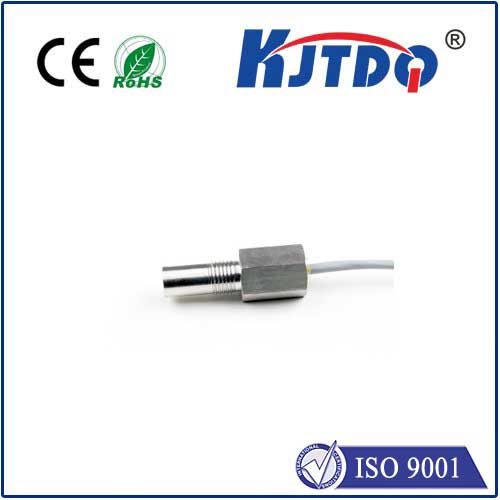
A proximity sensor integrated into a CNC machine primarily monitors the position of the cutting tool, workpiece, and various machine components. For instance, inductive proximity sensors are exceptionally effective for detecting metallic objects like the tool holder or a metal workpiece. They generate an electromagnetic field, and when a metal target enters this field, it causes a change in the sensor's oscillation amplitude. This change is instantly converted into a digital signal sent to the CNC controller. This allows for precise tool positioning, ensuring the spindle is at the correct height before a cutting operation begins, thereby preventing catastrophic collisions.
Another crucial application is in tool condition monitoring. As a cutting tool wears down during operation, its dimensions change minutely. A high-resolution capacitive or laser-based proximity sensor can measure the tool's length or diameter variations in real-time. By continuously comparing the sensor's reading to a predefined tolerance threshold, the CNC system can automatically compensate for tool wear or even trigger an alert for tool replacement before part quality is compromised. This proactive approach drastically reduces scrap rates and unplanned downtime.
Workpiece alignment and presence verification are equally vital. Before a machining cycle starts, sensors confirm that the raw material is correctly loaded and clamped on the fixture. A missed or misaligned part could lead to a broken tool or a damaged machine. Proximity sensors provide this verification instantly and reliably. Furthermore, in automated CNC cells with robotic part loaders, these sensors coordinate the handshake between the robot and the machine, ensuring seamless and safe material transfer.
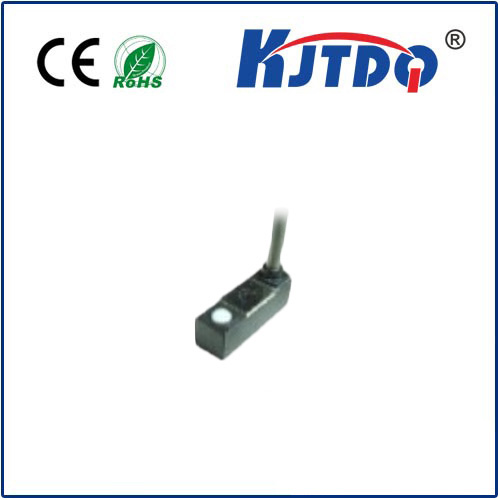
The choice of sensor technology depends heavily on the specific application. Inductive sensors are ideal for short-range detection of ferrous and non-ferrous metals. Capacitive sensors can detect a wider range of materials, including plastics, liquids, and wood, making them suitable for composite material machining. For applications requiring extreme precision over longer distances or for detecting very small objects, laser triangulation sensors offer micrometer-level accuracy. Selecting the right sensor involves considering factors like sensing distance, target material, environmental conditions (such as coolant or metal chip exposure), and required response speed.
Installation and integration are key to unlocking a sensor's full potential. Sensors must be mounted securely to withstand the constant vibration of a CNC machine. Their wiring should be routed away from high-power cables to prevent electromagnetic interference, which could cause false signals. Modern sensors often come with IO-Link or other industrial communication protocols, allowing for not just simple on/off signals but also the transmission of detailed diagnostic data, enabling predictive maintenance strategies.
The benefits of integrating high-quality proximity sensors are substantial. The most immediate is the dramatic improvement in machining accuracy and part consistency. By providing closed-loop feedback on machine component positions, sensors eliminate guesswork and manual adjustments. This leads to a significant reduction in setup times and empowers lights-out manufacturing operations. Safety is another paramount benefit; by ensuring tools and workpieces are in their designated positions, the risk of operator injury and machine damage is minimized. Ultimately, this technology enhances overall equipment effectiveness (OEE) by boosting productivity, quality, and asset utilization.
Looking ahead, the role of sensors in CNC machining is set to expand with Industry 4.0. Smart sensors will not only detect presence but also gather vast amounts of process data. This data, when analyzed by edge computing systems or cloud platforms, can provide insights into machine health, predict maintenance needs, and even optimize cutting parameters in real-time for maximum efficiency. The humble proximity sensor is thus evolving from a simple switch into a critical node in a connected, intelligent factory.
For any manufacturing operation relying on CNC technology, neglecting the importance of reliable sensing is a risk. Investing in the appropriate proximity sensor system is an investment in guaranteed precision, protected machinery, and sustained profitability. It transforms a CNC machine from a powerful but blind executor of code into a perceptive, adaptive, and highly reliable partner in production.