check

check

check

check
check
check
check
check

check
check
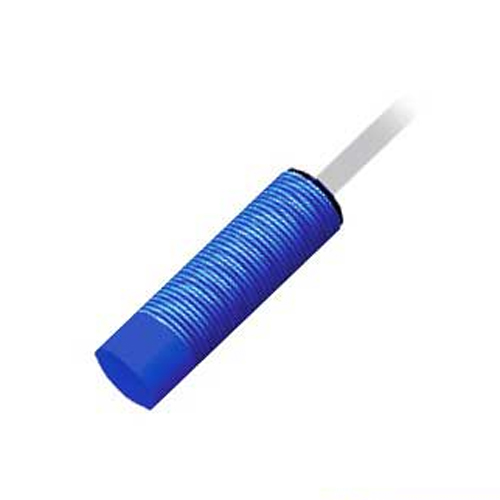
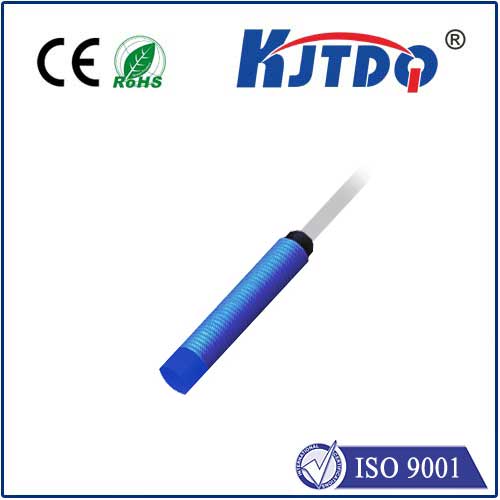
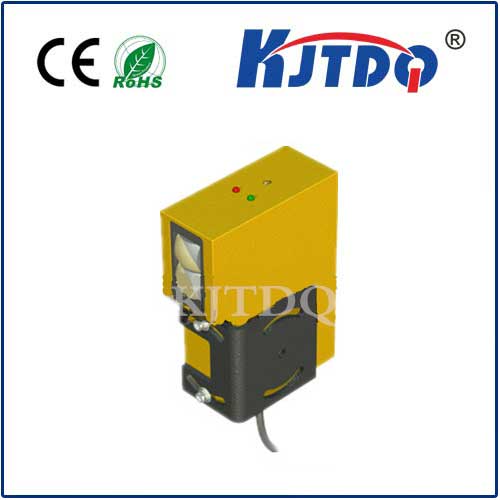
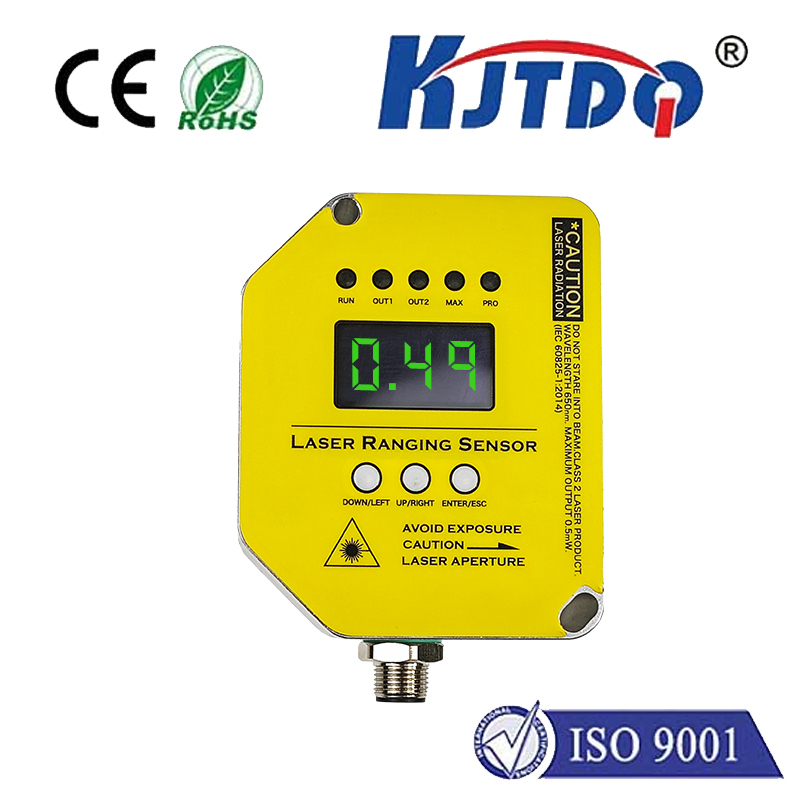
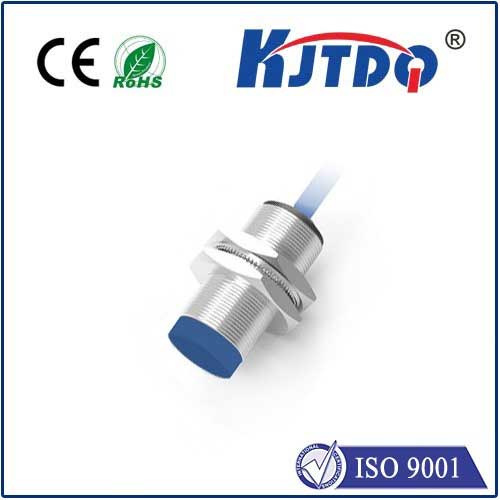
In the rapidly evolving landscape of industrial automation and smart systems, the demand for sensors that offer not just detection but precise, reliable, and rapid response is paramount. Among the various technologies enabling this precision, the high frequency operation proximity sensor stands out as a critical component. This advanced sensor technology, particularly exemplified by models like the KJTDQ series, is redefining performance standards across numerous applications, from manufacturing assembly lines to sophisticated robotic systems.
Traditional proximity sensors operate effectively for many standard detection tasks. However, in environments where speed and accuracy are non-negotiable, their limitations become apparent. This is where the high-frequency variant makes a decisive difference. By operating at significantly elevated frequencies, these sensors can detect objects with exceptional speed and a much higher degree of resolution. The core principle involves emitting a high-frequency electromagnetic field from an oscillator circuit. When a target object enters this field, it causes changes in the oscillation amplitude or frequency. The sensor's circuitry detects these minute changes almost instantaneously, triggering a swift output signal. This rapid cycle of emission, detection, and response is what defines its high-frequency operation, enabling it to sense objects that are small, fast-moving, or made of materials that are challenging for standard sensors.
The advantages of implementing a high frequency operation proximity sensor are substantial and multifaceted. The most notable benefit is the remarkable increase in response speed. This allows machinery to operate at higher cycle rates without sacrificing safety or accuracy, directly boosting production throughput. Furthermore, these sensors exhibit superior stability and consistency. They are less susceptible to interference from electrical noise, temperature fluctuations, or other environmental factors that commonly plague industrial settings. This resilience translates to fewer false triggers, reduced downtime, and more reliable process control. Another key advantage is the ability to detect a wider range of materials with high precision, including non-ferrous metals, which are often problematic for standard inductive sensors.
The application scope for such sensors is vast and growing. In the electronics manufacturing sector, they are indispensable for the precise placement of miniature components on printed circuit boards, where micron-level accuracy is required. Automated packaging lines utilize them to count, sort, and verify products at high speeds. Within the realm of robotics, high-frequency proximity sensors provide the critical feedback needed for precise arm positioning, object grasping, and collision avoidance, enabling more delicate and complex automated tasks. They also play a vital role in quality control systems, detecting minute defects or verifying assembly completeness with unparalleled speed.
Selecting the right sensor, such as the KJTDQ series, requires careful consideration of several operational parameters. The sensing distance, while often compact, must be appropriate for the specific mechanical setup. The nature of the target material—its size, shape, and composition—will influence the sensor's performance and may necessitate specific model variants. The operating environment's temperature range, potential exposure to chemicals or coolant, and the level of ambient electrical noise are all critical factors that determine the required sensor housing rating and shielding. Ensuring the electrical output type (e.g., NPN, PNP, analog) is compatible with the existing control system is a fundamental step for seamless integration.
Looking ahead, the integration of high frequency operation proximity sensors with broader Industrial Internet of Things (IIoT) frameworks represents the next frontier. Sensors like KJTDQ are becoming smarter, equipped with capabilities for predictive maintenance by monitoring their own performance metrics and communicating data on wear or potential failure. This evolution from a simple detection device to an intelligent data node is crucial for building truly adaptive and efficient automated ecosystems. The ongoing miniaturization of components also allows these high-performance sensors to fit into increasingly compact machinery and devices, expanding their utility further.
In conclusion, the high frequency operation proximity sensor is not merely an incremental improvement but a transformative technology for modern automation. By delivering unmatched speed, reliability, and precision, it addresses the core challenges of advanced manufacturing and robotics. Solutions like the KJTDQ series embody this progress, offering engineers and system designers a powerful tool to enhance efficiency, ensure quality, and drive innovation. As industries continue to push the boundaries of speed and precision, the role of these sophisticated sensors will only become more central, solidifying their status as a cornerstone of intelligent automation.