check

check

check

check
check
check
check
check
check

check
In the world of industrial automation and machine control, precise and dependable object detection is non-negotiable. Among the various technologies available, the NPN output proximity sensor stands out as a fundamental component, offering robust performance in countless applications. This guide delves into the core principles, advantages, and practical uses of this essential sensor type, providing a clear understanding of why it remains a top choice for engineers and system integrators.
At its heart, a proximity sensor detects the presence or absence of an object without physical contact. The "NPN output" designation refers to the type of transistor switch used in its output circuit. In an NPN configuration, the sensor acts as a sinking switch. This means that when an object is detected within its sensing range, the NPN transistor inside the sensor turns on, allowing current to flow *from* the load (like a PLC input or a relay) *into* the sensor and then to ground (0V). Essentially, it provides a path to ground, completing the circuit. This is in contrast to a PNP output sensor, which sources current to the load. Understanding this distinction is critical for correct wiring and compatibility with control systems, which are often designed to work with a specific input type.
The reliability of NPN output proximity sensors is a key driver of their widespread adoption. They are renowned for their durability in harsh industrial environments. Typically housed in rugged metal or high-grade plastic casings, they are resistant to dust, moisture, oil, and mechanical impacts. Many models feature short-circuit and reverse polarity protection, safeguarding both the sensor and the connected equipment from accidental wiring errors. This built-in resilience translates to reduced downtime and lower maintenance costs, a crucial factor for continuous production lines.
Another significant advantage is their speed. These sensors can detect objects at very high frequencies, making them ideal for applications involving fast-moving parts on assembly lines, packaging machinery, or rotary encoders. Their response time is consistently fast and repeatable, ensuring no target is missed even at high operational speeds. Furthermore, modern NPN proximity sensors offer impressive sensing ranges relative to their size, allowing for flexible installation where space is constrained.
The application spectrum for NPN output sensors is vast. They are ubiquitous in manufacturing for tasks such as part counting on a conveyor belt, verifying the position of a robotic arm, detecting the end of a roll of material, or confirming the closure of a safety door. In the automotive industry, they monitor component placement. In material handling, they control sorting gates. Their simple digital output (on/off) interfaces seamlessly with Programmable Logic Controllers (PLCs), which are predominantly configured for NPN (sinking) inputs in many regions, particularly those following European and Asian design conventions.
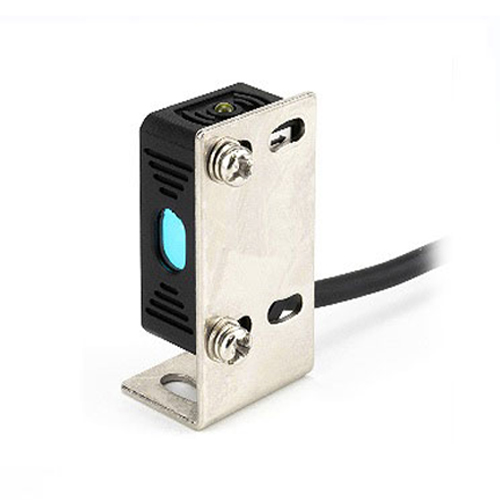
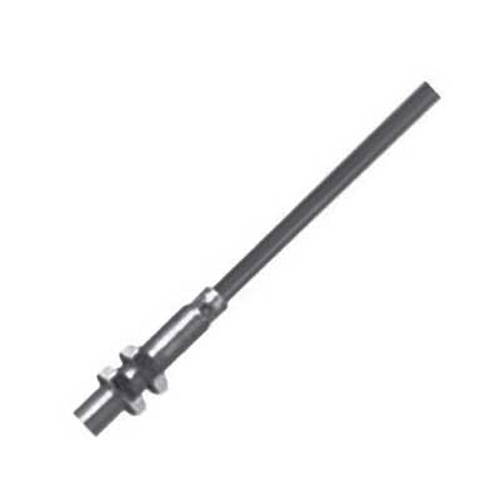
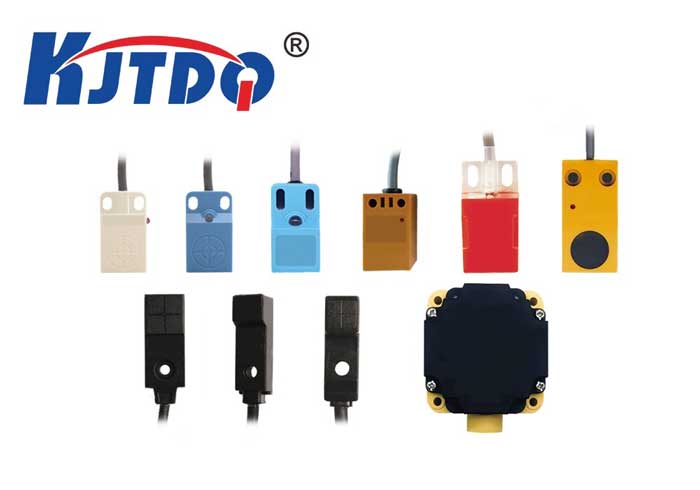
When selecting an NPN output proximity sensor, several factors must be considered. First is the sensing distance, which should have a reasonable margin beyond the actual target distance to account for mechanical tolerances. The target material is also vital; standard inductive sensors detect metals, while capacitive versions can sense non-metallic materials like plastic, wood, or liquids. The housing style (cylindrical, rectangular, slot-type) must suit the mounting location. Environmental ratings, denoted by IP (Ingress Protection) codes, indicate resistance to solids and liquids, ensuring the sensor can withstand its operating conditions.
Installation and wiring are straightforward but require attention to detail. Always refer to the manufacturer's datasheet. Typically, an NPN sensor has three wires: brown for the positive supply voltage (often 10-30V DC), blue for the ground (0V), and black for the output signal. The black wire connects to the load, and the other side of the load connects to the positive supply. When the sensor detects an object, the black wire switches to connect internally to ground (blue), allowing current to sink through the sensor. Ensuring a stable, clean power supply and proper shielding in electrically noisy environments is essential for flawless operation.
In conclusion, the NPN output proximity sensor is more than just a component; it is a cornerstone of modern industrial sensing. Its design as a sinking output provides a reliable and widely compatible interface for control systems. Combining ruggedness, high speed, and versatility, it solves fundamental detection challenges across diverse sectors. For anyone involved in designing, maintaining, or optimizing automated systems, a deep understanding of this sensor's functionality and correct application is an invaluable asset for achieving efficiency, safety, and reliability on the factory floor.