check

check

check

check
check
check
check
check

check
check
In modern industrial operations, conveyor systems serve as the backbone of material handling, enabling seamless transportation across manufacturing, packaging, and distribution facilities. However, ensuring these systems run smoothly and safely presents ongoing challenges. Unplanned downtime, equipment damage, and workplace accidents can stem from undetected obstructions, misalignments, or component failures. This is where the integration of advanced proximity sensors, specifically designed for conveyor applications, becomes a game-changer. The KJTDQ series of proximity sensors exemplifies this technological evolution, offering robust solutions that elevate both operational reliability and personnel safety.
Proximity sensors in conveyor systems are non-contact detection devices that identify the presence or absence of objects, monitor position, and control motion without physical interaction. They operate on various principles, such as inductive, capacitive, or ultrasonic sensing, making them suitable for diverse environments—from detecting metallic components on an assembly line to sensing bulk materials in a mining operation. The primary role of these sensors is to provide real-time data to the system's control unit, triggering actions like starting, stopping, or diverting conveyor belts. This automation minimizes human intervention, reduces error rates, and prevents jams that could lead to costly breakdowns.
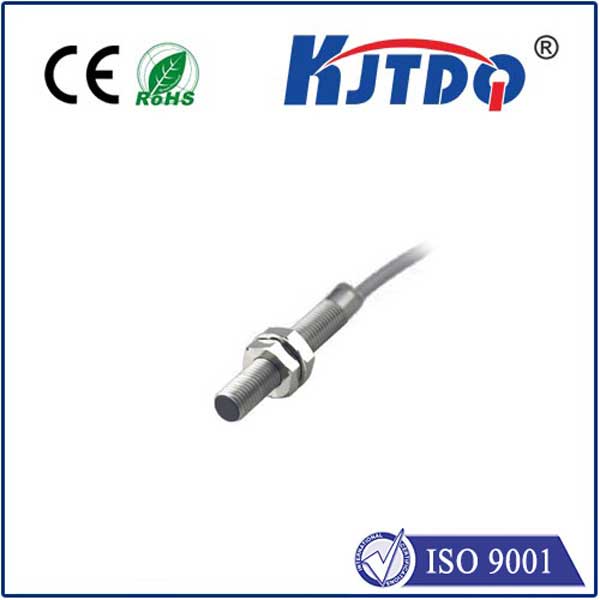
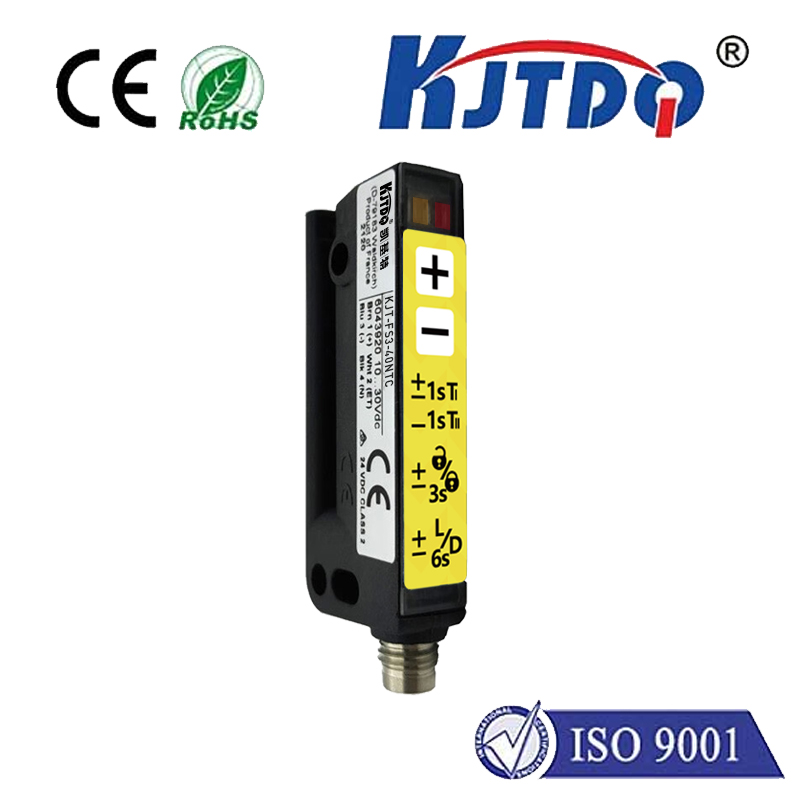
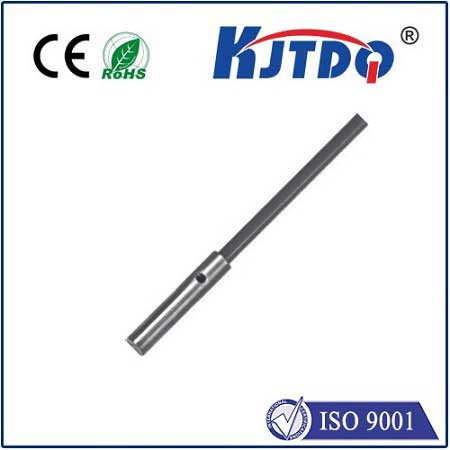
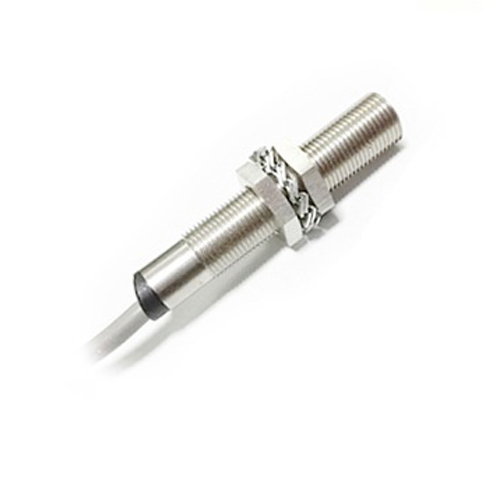
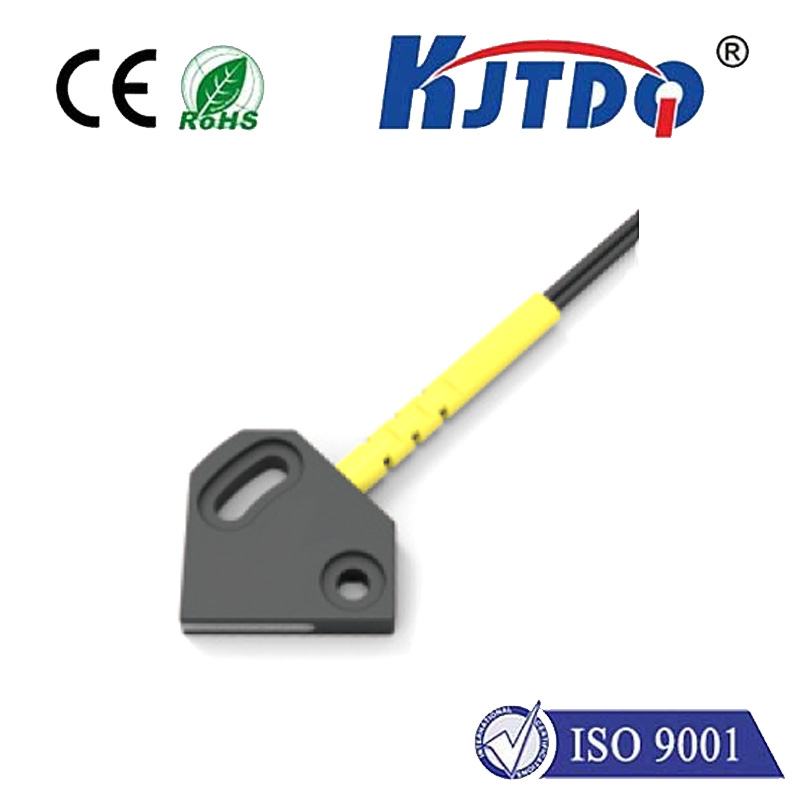
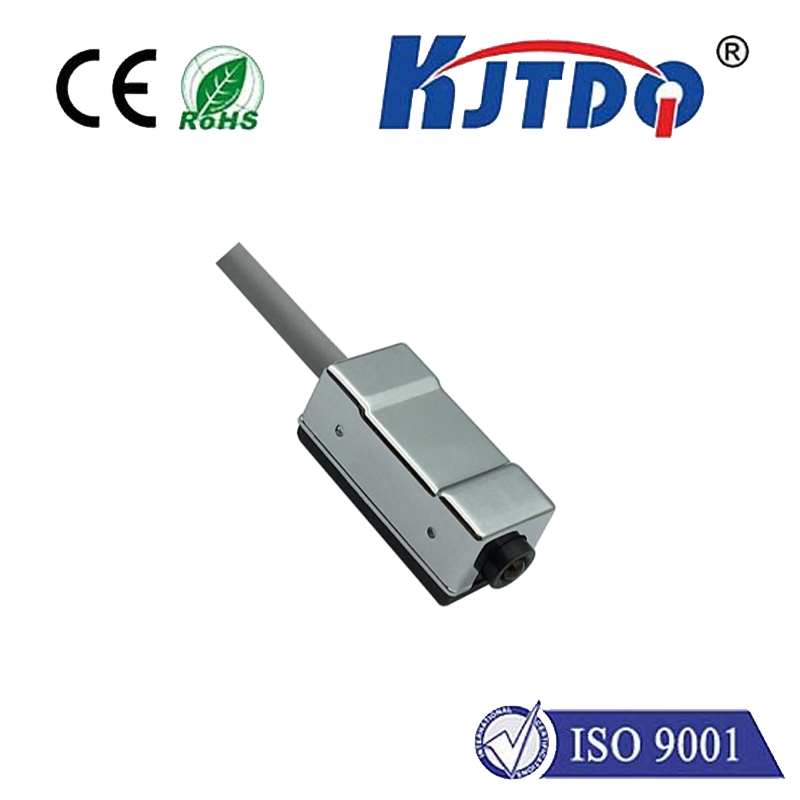
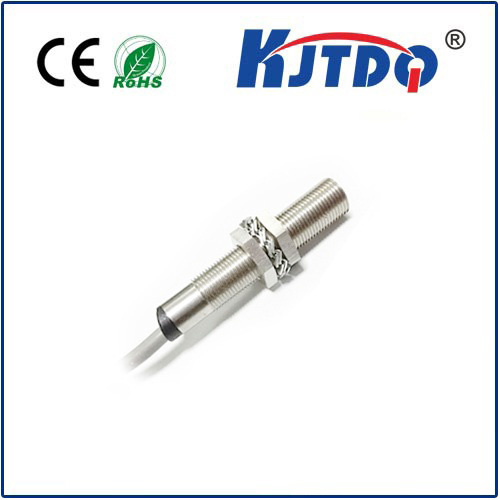
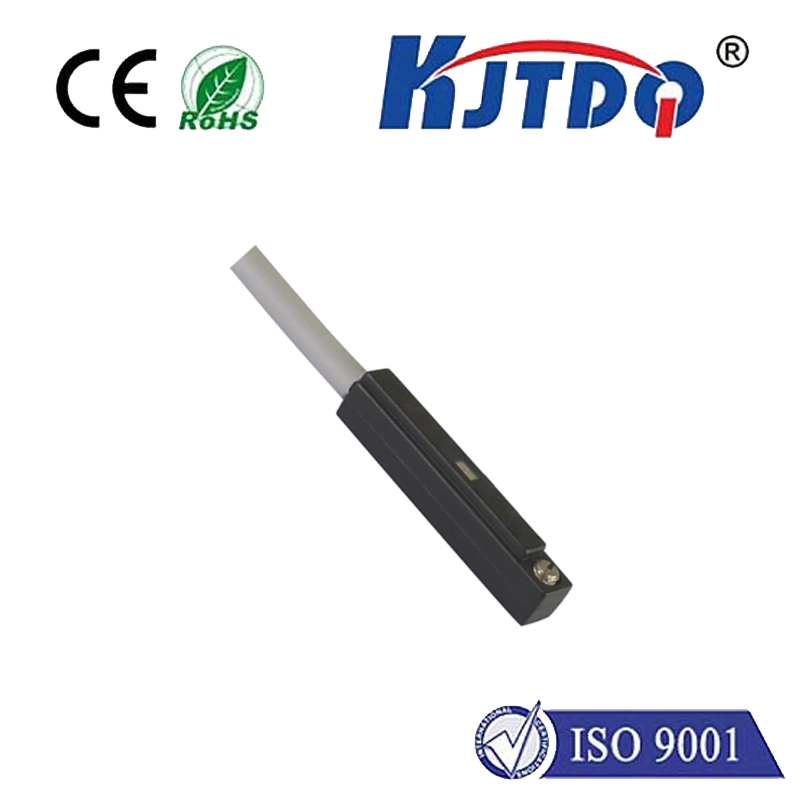
The KJTDQ conveyor system proximity sensor stands out for its precision and durability. Engineered to withstand harsh industrial conditions, including dust, moisture, and temperature fluctuations, it ensures consistent performance where other sensors might fail. Its high sensitivity allows for accurate detection of even small or fast-moving items, which is crucial in high-speed sorting and packaging lines. By installing KJTDQ sensors at critical points—such as near drive pulleys, loading zones, or transfer points—facilities can implement predictive maintenance strategies. Early warnings about belt slippage, roller bearing wear, or material spillage enable timely repairs, extending equipment lifespan and avoiding unexpected halts.
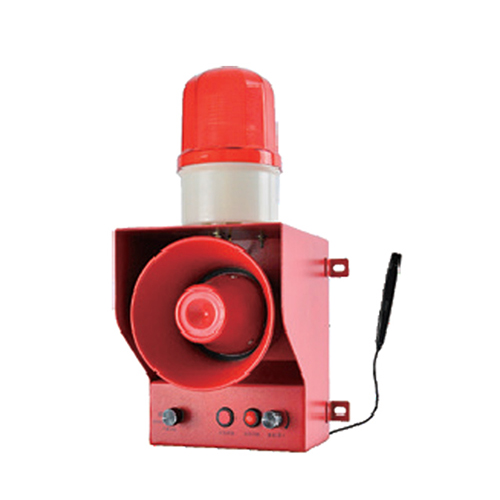
Safety is another paramount benefit. Conveyor systems pose risks like entanglement, crushing, or impact injuries. KJTDQ proximity sensors enhance safety protocols by acting as a first line of defense. For instance, they can be integrated into emergency stop circuits or area guarding systems. If a sensor detects an unauthorized entry into a hazardous zone or an object stuck in the machinery, it can instantly shut down the conveyor, preventing potential accidents. This proactive approach not only protects workers but also helps companies comply with stringent occupational health and safety regulations, reducing liability and fostering a safer workplace culture.
From an efficiency standpoint, the data collected by KJTDQ sensors contributes to smarter operations. By monitoring flow rates and identifying bottlenecks, managers can optimize conveyor speed and loading patterns, boosting throughput. In automated warehouses, these sensors facilitate precise tracking of goods, supporting inventory management and order fulfillment accuracy. The result is a leaner, more responsive material handling process that cuts waste and improves overall productivity. Moreover, the energy-efficient design of KJTDQ sensors aligns with sustainability goals, as optimized conveyor operation consumes less power and reduces carbon footprint.
Implementing KJTDQ proximity sensors is straightforward, with options for various mounting configurations and output signals to integrate with existing PLCs or control systems. Regular calibration and minimal upkeep ensure long-term reliability. As industries embrace Industry 4.0 and the Internet of Things (IoT), these sensors can be networked for centralized monitoring, providing actionable insights through data analytics. This connectivity paves the way for fully autonomous conveyor systems that self-diagnose issues and adapt to changing demands.
In conclusion, the integration of high-quality proximity sensors like the KJTDQ series is no longer a luxury but a necessity for modern conveyor systems. By enhancing detection accuracy, promoting safety, and driving operational efficiency, they deliver a compelling return on investment. Companies seeking to future-proof their material handling infrastructure should consider adopting such advanced sensing technology to stay competitive in a fast-paced industrial landscape.