check

check

check

check
check
check
check
check
check

check
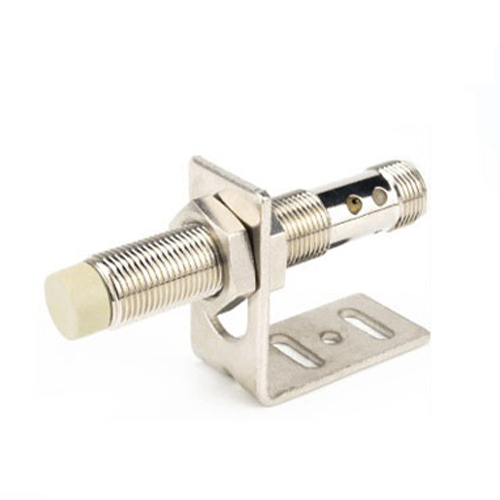
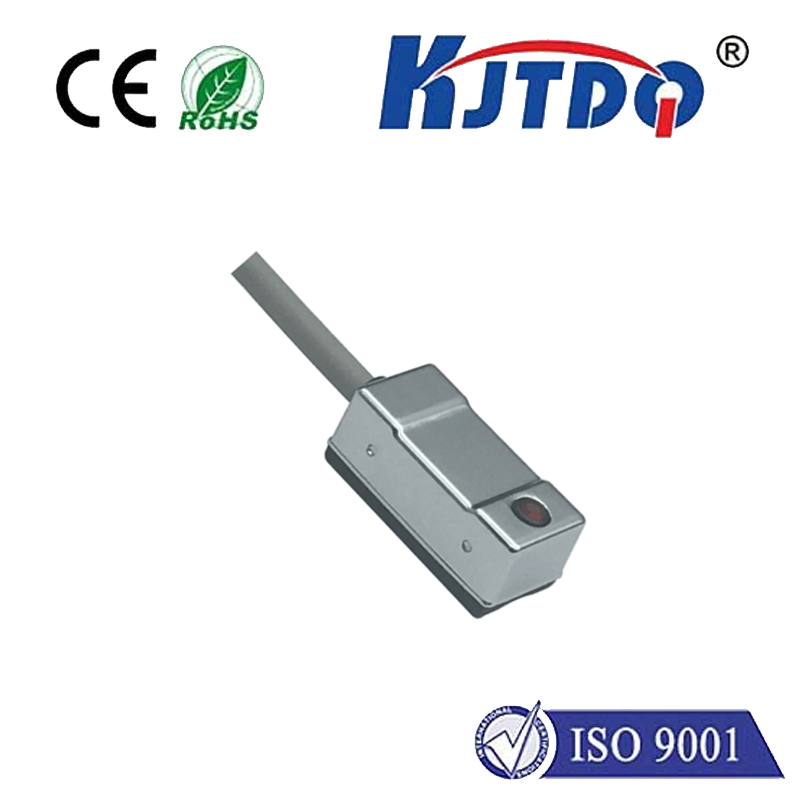
In today's fast-paced manufacturing landscape, the integration of advanced sensor technology has become a cornerstone for optimizing packaging operations. Among these innovations, proximity sensors play a pivotal role in ensuring precision, reliability, and efficiency in packaging machinery. The KJTDQ series of proximity sensors, in particular, stands out as a game-changer for industries seeking to streamline their production lines while minimizing downtime and maintenance costs.
Proximity sensors are designed to detect the presence or absence of objects without physical contact, making them ideal for packaging applications where hygiene, speed, and accuracy are paramount. The KJTDQ models leverage cutting-edge inductive and capacitive sensing principles to deliver consistent performance even in challenging environments. For instance, in food packaging, these sensors can detect metallic or non-metallic materials, such as foil wrappers or plastic containers, ensuring proper alignment and sealing. This capability reduces waste and enhances product quality by preventing misaligned packages from reaching consumers.
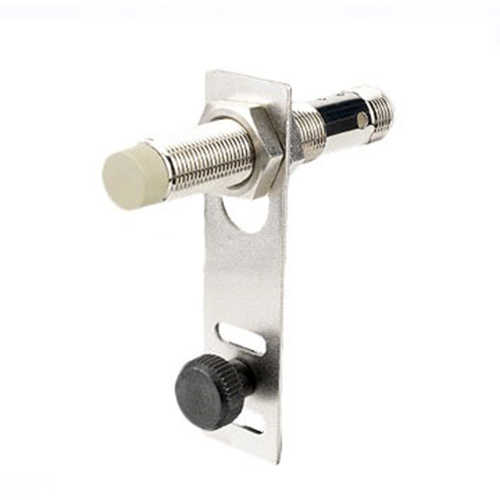
One of the key advantages of the KJTDQ proximity sensor is its robust construction, which allows it to withstand harsh conditions common in packaging facilities. Dust, moisture, and temperature fluctuations often compromise sensor functionality, but the KJTDQ series is engineered with IP67-rated enclosures, providing resistance to water and particulate ingress. This durability translates to longer service life and fewer replacements, contributing to lower operational expenses. Additionally, these sensors feature easy installation and calibration, enabling quick integration into existing packaging machine setups without extensive retrofitting.
In automated packaging lines, timing is critical. The KJTDQ proximity sensor offers high-speed detection with response times as low as milliseconds, ensuring seamless synchronization between conveyor belts, filling stations, and sealing units. This precision helps maintain a steady flow of packages, preventing bottlenecks that could slow down production. For example, in bottling plants, these sensors can detect bottle positions to trigger capping mechanisms accurately, reducing spillage and improving throughput. By enhancing machine coordination, businesses can achieve higher output rates while maintaining consistent quality standards.
Energy efficiency is another notable benefit of incorporating KJTDQ sensors into packaging machinery. Unlike mechanical switches that consume power through constant physical engagement, proximity sensors operate on low energy levels, activating only when an object is detected. This not only reduces electricity consumption but also minimizes wear and tear on machine components. As sustainability gains importance in manufacturing, such features align with eco-friendly initiatives, helping companies lower their carbon footprint without sacrificing productivity.
Moreover, the versatility of KJTDQ proximity sensors extends beyond traditional packaging roles. They can be adapted for quality control checks, such as verifying label placement or counting items on a production line. In pharmaceutical packaging, where accuracy is non-negotiable, these sensors ensure that blister packs or vials are correctly positioned before sealing, mitigating risks of contamination or dosage errors. This adaptability makes them a valuable asset across diverse sectors, from consumer goods to industrial equipment.
To maximize the benefits of KJTDQ proximity sensors, regular maintenance and proper positioning are essential. Operators should conduct routine checks to clean sensor surfaces and verify alignment, as debris or misplacement can lead to false readings. Training staff on basic troubleshooting, such as adjusting sensitivity settings or interpreting indicator lights, can further enhance system reliability. Many manufacturers also offer technical support and customization options, allowing businesses to tailor sensors to specific packaging machine requirements.
In conclusion, the KJTDQ proximity sensor represents a significant advancement in packaging technology, driving efficiency, durability, and precision in modern production environments. By adopting these sensors, companies can optimize their packaging processes, reduce operational costs, and meet evolving industry demands. As automation continues to reshape manufacturing, investing in reliable components like the KJTDQ series will be crucial for staying competitive in a global market. Whether for small-scale operations or large industrial facilities, this technology offers a practical solution to enhance packaging machine performance and ensure consistent, high-quality output.