check

check

check

check
check
check
check
check
check

check
In the rapidly evolving landscape of industrial automation and smart systems, the demand for sensors that offer reliability without compromising on design or functionality is paramount. Among these critical components, the flush mount proximity sensor stands out as a cornerstone technology, enabling precise, non-contact detection in a myriad of applications. The KJTDQ series represents a significant advancement in this field, engineered to deliver superior performance while maintaining a low-profile installation.
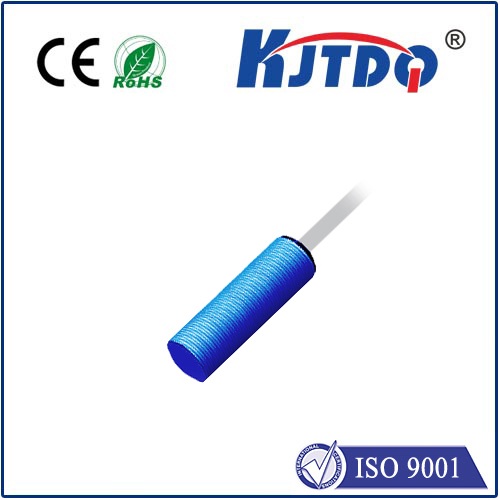
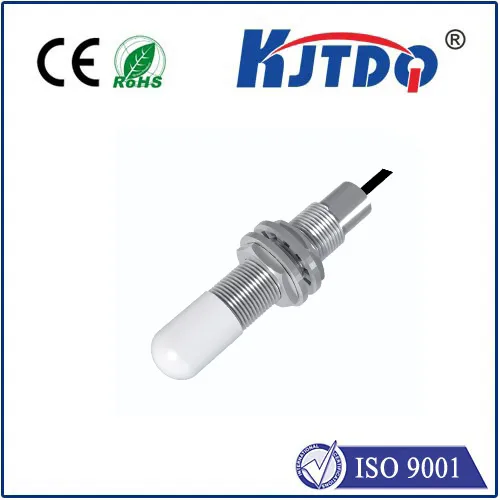
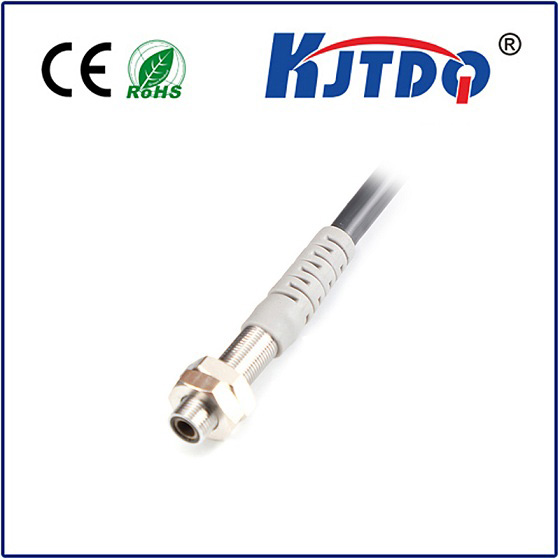
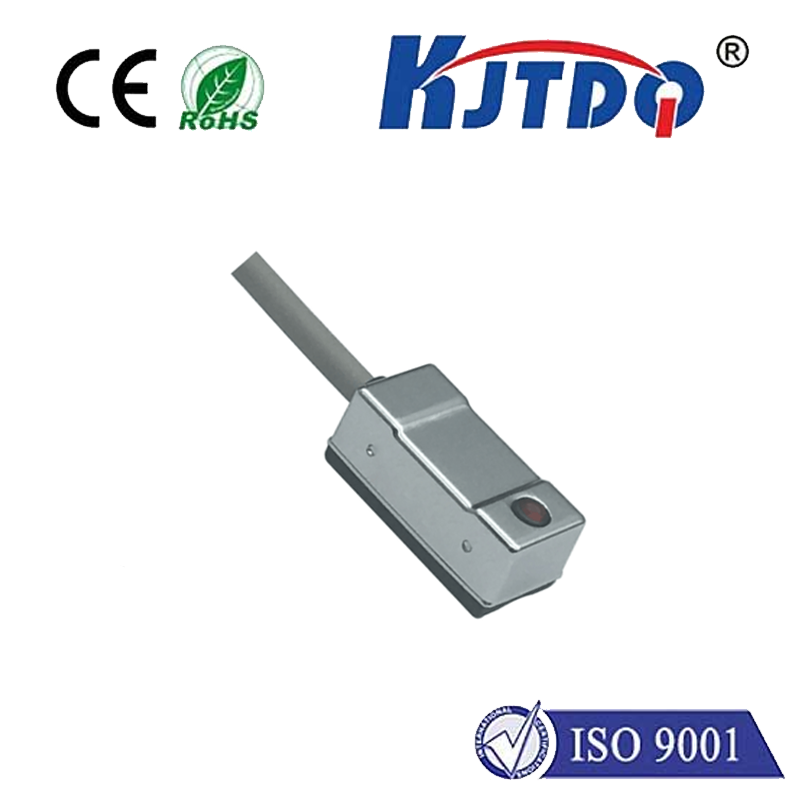
Unlike standard cylindrical sensors that protrude from mounting surfaces, flush mount sensors are designed to be installed flush with or embedded into their surrounding material. This design is not merely aesthetic; it provides substantial practical benefits. The primary advantage is enhanced durability. By sitting flush, the sensor face is protected from direct physical impact, abrasion, and accidental damage from passing objects or machinery. This makes the KJTDQ flush mount proximity sensor exceptionally suitable for harsh environments found in packaging lines, material handling systems, and automated assembly stations where space is constrained and equipment is subject to wear and tear.
The operational principle of the KJTDQ sensor is based on generating an electromagnetic field. When a metallic target enters this predefined sensing range, it causes a change in the oscillation amplitude within the sensor's circuit. This change is detected and converted into a clean, switch-like output signal. A key feature of true flush-mount design is its ability to ignore surrounding metallic materials. Since the sensor's active face is shielded, it typically does not detect the metal of the mounting bracket or the machine frame itself, preventing false triggers and ensuring detection is only for the intended target. This characteristic, known as "shielded" or "embeddable" design, is crucial for precise and reliable operation in metal-rich environments.
The integration of the KJTDQ sensor into automated systems brings forth numerous efficiencies. Its compact and streamlined form factor allows for installation in tight spaces where traditional sensors would be impractical or vulnerable. This seamless integration minimizes protrusions, reducing the risk of snagging cables or disrupting the flow of materials. For instance, in automated guided vehicle (AGV) systems, flush mount sensors can be embedded into the vehicle's chassis to accurately detect docking stations or obstacle boundaries without adding bulk. In robotic arms, they provide end-of-travel or position verification without interfering with the arm's movement or workspace.
Furthermore, the reliability of the KJTDQ series translates directly into reduced maintenance downtime and lower total cost of ownership. Their robust housing, often made from stainless steel or high-grade plastics, offers resistance to coolants, oils, and dust. This resilience ensures consistent performance over long periods, even in demanding conditions like automotive manufacturing or food and beverage processing, where equipment is frequently cleaned with high-pressure jets. The consistent output signal ensures that control systems receive accurate data for critical decisions, enhancing the overall safety and throughput of the operation.
When selecting a flush mount proximity sensor like the KJTDQ, several technical specifications warrant attention. The sensing range, while typically shorter than non-flush variants due to the shielded design, is precisely defined for consistent operation. The choice between different output types (e.g., NPN, PNP, or analog) and connection methods (pre-wired or quick-disconnect) depends on the existing control architecture. Additionally, factors such as switching frequency, temperature tolerance, and housing material should be matched to the specific application's requirements to ensure optimal performance.
In conclusion, the flush mount proximity sensor, exemplified by the KJTDQ series, is an indispensable tool for modern industrial design. It masterfully balances the need for robust, reliable object detection with the practical demands of space-saving, durable installation. By enabling cleaner machine designs and providing unwavering accuracy, these sensors empower engineers to build more efficient, safer, and more intelligent automated systems. As industries continue to push the boundaries of automation and IoT integration, the role of seamlessly integrated components like the KJTDQ flush mount proximity sensor will only become more central to innovation and operational excellence.