check

check

check

check
check
check
check
check
check

check
In an increasingly automated and interactive world, the ability of devices to sense their surroundings without physical contact is fundamental. This capability is powered by a critical component: the optical proximity sensor. Far from being a simple on/off switch, this sophisticated technology is the invisible enabler of smarter, safer, and more intuitive user experiences across countless applications.
At its core, an optical proximity sensor operates on a simple yet elegant principle. It typically consists of an infrared light-emitting diode (IR LED) and a photodetector. The IR LED emits a beam of invisible infrared light. When an object enters the sensor's detection field, this light is reflected back towards the photodetector. The sensor's internal circuitry then measures the intensity of the reflected light. By analyzing this intensity, the sensor can accurately determine the presence of an object and, in more advanced models, estimate its distance. This entire process happens in milliseconds, enabling real-time responsiveness.
The most ubiquitous application of this technology is in our smartphones and tablets. The optical proximity sensor is the reason your screen turns off automatically when you hold the phone to your ear during a call. This not only prevents accidental cheek-presses from hanging up or muting the call but also significantly conserves battery power by disabling the display when it's not needed. Similarly, it allows for features like "Raise to Wake" or preventing the screen from dimming while you're looking at it.
Beyond consumer electronics, optical proximity sensors are workhorses in industrial automation. On assembly lines, they are used for precise object detection, counting, and positioning. They can trigger machinery to start or stop, ensure products are correctly aligned for packaging, and even verify the presence of components. Their non-contact nature makes them ideal for environments where cleanliness is paramount or where the objects being detected are delicate.
Safety is another paramount domain. In modern home appliances like automatic soap dispensers, paper towel dispensers, and touchless faucets, these sensors promote hygiene by eliminating the need to touch surfaces. In the automotive sector, they are integrated into systems that detect a driver's presence in the seat or enable gesture control for infotainment systems, reducing distraction. Some advanced driver-assistance systems (ADAS) also utilize proximity sensing as part of their suite of safety features.
The advantages of optical proximity sensors are clear. They offer high reliability and long operational life due to the absence of moving parts that can wear out. They provide fast response times and can detect a wide variety of materials, though performance may vary with color and reflectivity. Modern sensors are also becoming increasingly miniaturized, energy-efficient, and intelligent, with integrated algorithms to filter out ambient light interference for more stable performance.
Looking ahead, the role of the optical proximity sensor is set to expand further. As the Internet of Things (IoT) grows, these sensors will be key nodes, enabling devices to understand contextual proximity. In robotics, they provide essential environmental awareness for navigation and object manipulation. In smart homes and buildings, they will contribute to energy savings by controlling lighting and climate based on occupancy.
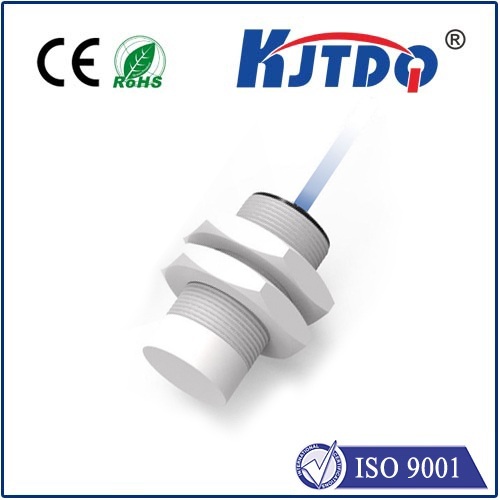
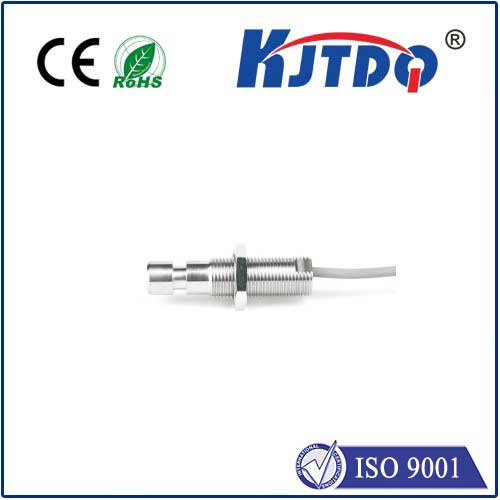
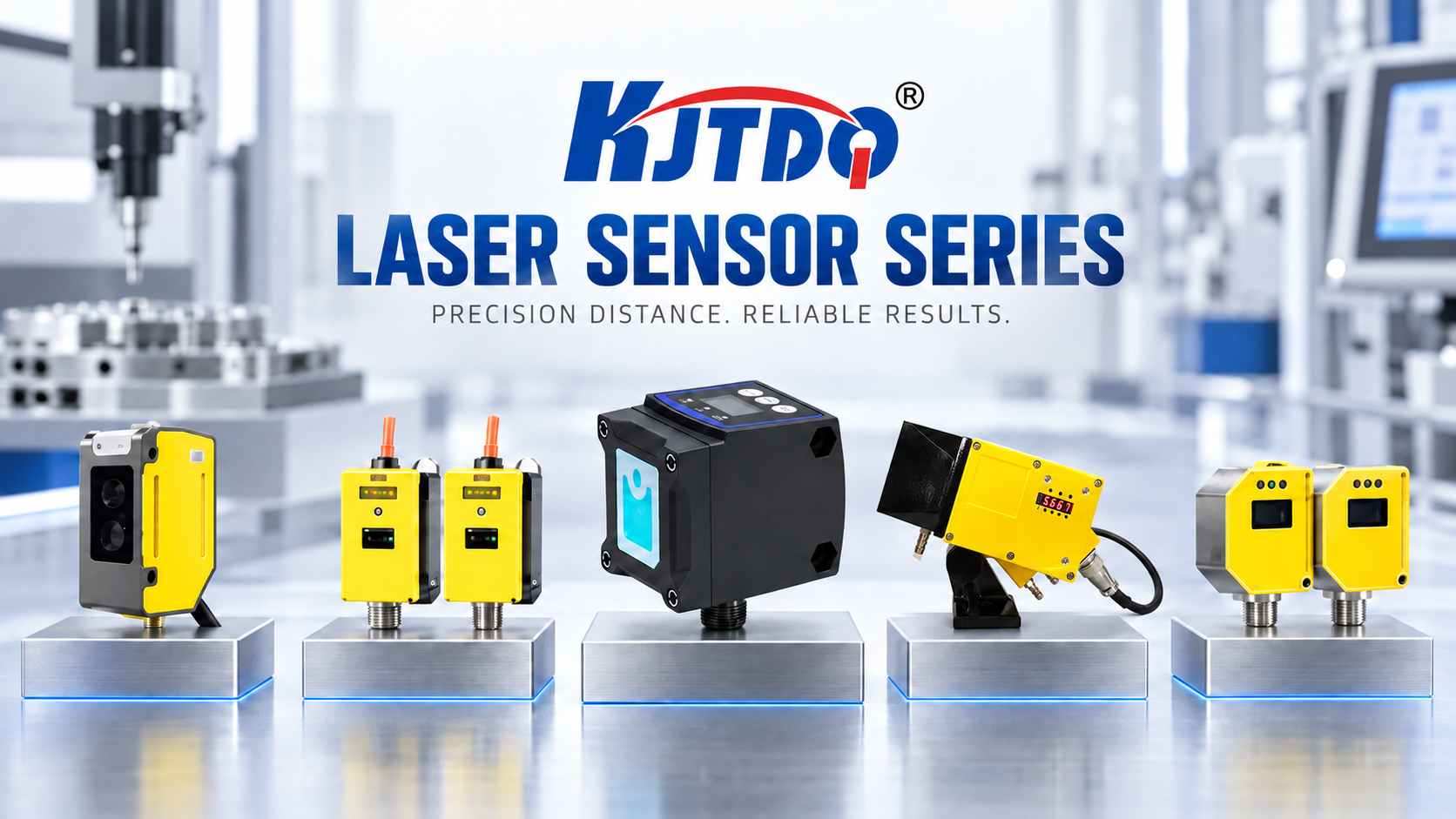
In conclusion, the optical proximity sensor, represented by components like the KJTDQ series, is a foundational technology that bridges the physical and digital worlds. Its ability to provide reliable, contactless detection makes it indispensable for enhancing user convenience, streamlining industrial processes, and safeguarding people and equipment. As technology continues to evolve towards greater autonomy and interaction, the humble optical proximity sensor will remain a critical component, quietly working in the background to make our interactions with machines more seamless and intelligent.