check

check

check

check
check
check
check
check
check

check
In today's fast-paced industrial landscape, precision and durability are paramount for maintaining efficient operations. The integration of advanced sensing technology plays a critical role in achieving these goals, particularly in environments where reliability is non-negotiable. Among the various solutions available, stainless steel proximity sensors have emerged as a cornerstone for modern automation systems, offering robust performance under challenging conditions.
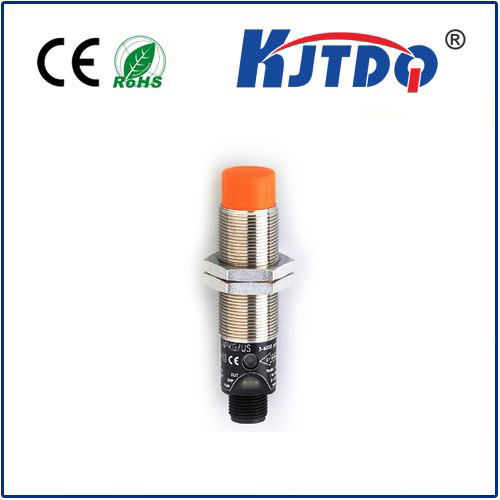
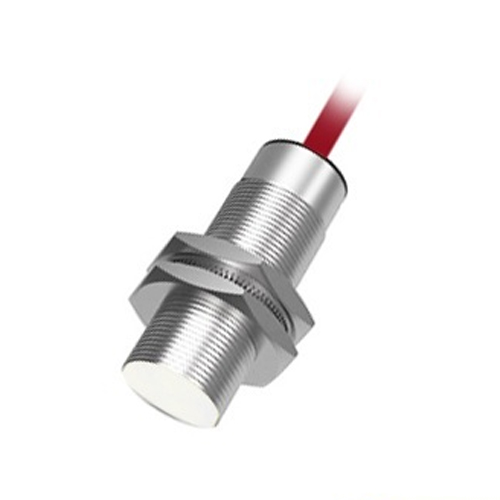
Stainless steel proximity sensors are designed to detect the presence or absence of objects without physical contact, utilizing electromagnetic fields or capacitive principles. This non-contact operation minimizes wear and tear, extending the lifespan of both the sensor and the machinery it monitors. The use of stainless steel in their construction provides exceptional resistance to corrosion, moisture, and extreme temperatures, making them ideal for applications in industries such as manufacturing, food processing, and chemical handling. For instance, in food production lines, these sensors ensure hygiene by withstanding frequent washdowns, while in heavy machinery, they endure vibrations and impacts without compromising accuracy.
The KJTDQ series of stainless steel proximity sensors exemplifies these advantages, incorporating high-grade materials and innovative engineering to deliver consistent results. These sensors feature a compact design that allows for easy installation in tight spaces, coupled with high sensitivity to detect even small metallic objects. Their ability to operate in a wide range of frequencies enhances versatility, enabling seamless integration into diverse automated setups. Moreover, the KJTDQ models are equipped with advanced shielding to reduce interference from external electrical noise, ensuring stable performance in complex industrial environments.
One of the key benefits of adopting stainless steel proximity sensors is their contribution to operational efficiency. By providing real-time data on object positioning, they facilitate precise control over conveyor belts, robotic arms, and assembly lines. This leads to reduced downtime, lower maintenance costs, and improved product quality. For example, in automotive manufacturing, these sensors help align components accurately, preventing errors that could lead to costly recalls. Additionally, their long service life translates to fewer replacements, supporting sustainable practices by minimizing waste.
When selecting a stainless steel proximity sensor, factors such as sensing range, output type, and environmental ratings should be considered. The KJTDQ series offers customizable options to meet specific needs, including different sensing distances and output signals like NPN or PNP. Proper installation and regular calibration are essential to maximize performance, and following manufacturer guidelines can prevent common issues such as false triggers or reduced sensitivity.
In conclusion, the evolution of industrial automation relies heavily on reliable sensing technologies like stainless steel proximity sensors. The KJTDQ series stands out as a testament to innovation, providing durability, precision, and adaptability for demanding applications. As industries continue to advance, investing in high-quality sensors will remain crucial for achieving seamless automation and maintaining competitive edge.