check

check

check

check

check

check
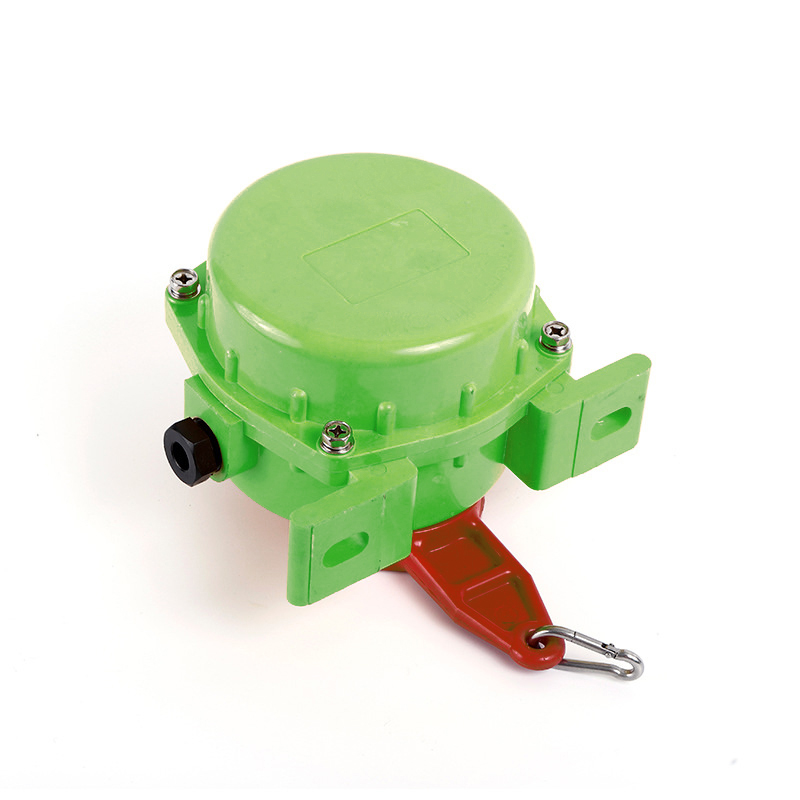
In the demanding world of industrial automation and machinery, safety is not just a feature; it's an absolute necessity. Among the myriad of safety components, the humble pull cord switch plays a pivotal role. The LXA-02GKH-T2-A pull cord switch stands out as a prime example of reliability and precision in emergency stop applications. This device is engineered to provide an immediate and fail-safe method to halt machinery operations from a distance, preventing potential accidents and ensuring operator safety.
The core function of the LXA-02GKH-T2-A is straightforward yet critical. It is typically installed along the length of a conveyor belt, processing line, or other extended machinery. In the event of an emergency, such as a worker becoming entangled or a material jam, any person along the run can quickly pull the attached cable. This action mechanically actuates the switch, sending a stop signal directly to the machine's control system. The "T2" designation often relates to its specific configuration or terminal type, ensuring compatibility with various control circuits. The design prioritizes robustness, often featuring a heavy-duty enclosure rated for IP67 or similar, making it resistant to dust, moisture, and mechanical impact commonly found in industrial environments like mining, packaging, and material handling plants.
What sets a high-quality switch like the LXA-02GKH-T2-A apart is its reliability under duress. It incorporates a positive break action mechanism, meaning the contacts are forced open directly by the pull action, independent of springs that could fail. This ensures the safety function works even if other parts wear down. Many models also include a manual reset feature. After the cord is pulled and the emergency is addressed, the switch must be manually reset on-site, preventing an accidental or remote restart before the hazard is cleared. This adds a crucial layer of procedural safety.
Installation and maintenance are key for sustained performance. The switch should be mounted at an appropriate height and spacing as per safety regulations, ensuring the cable is accessible and taut. Regular testing is mandatory. Operators should perform routine pull tests to verify the switch activates the stop circuit and that the reset function works correctly. Visual inspections for cable wear, damage to the enclosure, or any signs of corrosion are essential parts of a preventive maintenance schedule. Keeping a log of these tests not only ensures compliance with safety standards but also provides a traceable record of due diligence.
Choosing the right pull cord switch involves several considerations. The LXA-02GKH-T2-A model would be selected based on factors like the required safety category (e.g., Category 2 or 3 according to ISO 13849), the voltage and current rating of the control circuit, the length of the conveyor or area needing coverage, and the specific environmental conditions. It is always recommended to consult the manufacturer's datasheet and relevant industrial safety guidelines to ensure the component meets all application requirements.
Beyond the immediate safety function, integrating a reliable pull cord system like this contributes to a broader culture of workplace safety. It empowers every worker on the floor to act decisively in an emergency, knowing the system will respond predictably. This reduces downtime caused by accidents, minimizes equipment damage, and most importantly, protects human life. For facility managers and engineers, specifying proven components such as the LXA-02GKH-T2-A pull cord switch is an investment in operational integrity and corporate responsibility.
In conclusion, while often overlooked until needed, the pull cord switch is a vital link in the industrial safety chain. The LXA-02GKH-T2-A, with its robust construction and fail-safe design, exemplifies the engineering dedicated to protecting personnel and processes. Proper selection, installation, and maintenance of these devices are fundamental steps in creating a safer, more responsive industrial environment.