check

check

check

check

check

check
In the bustling heart of modern manufacturing, where robotic arms dance with precision and conveyor belts hum a constant rhythm, there exists a silent, unseen sentinel. This guardian operates without a whisper, making critical decisions in milliseconds to ensure seamless operation, product quality, and machinery safety. It is the shielded inductive sensor, a cornerstone of industrial automation whose importance is often overshadowed by more visible machinery.
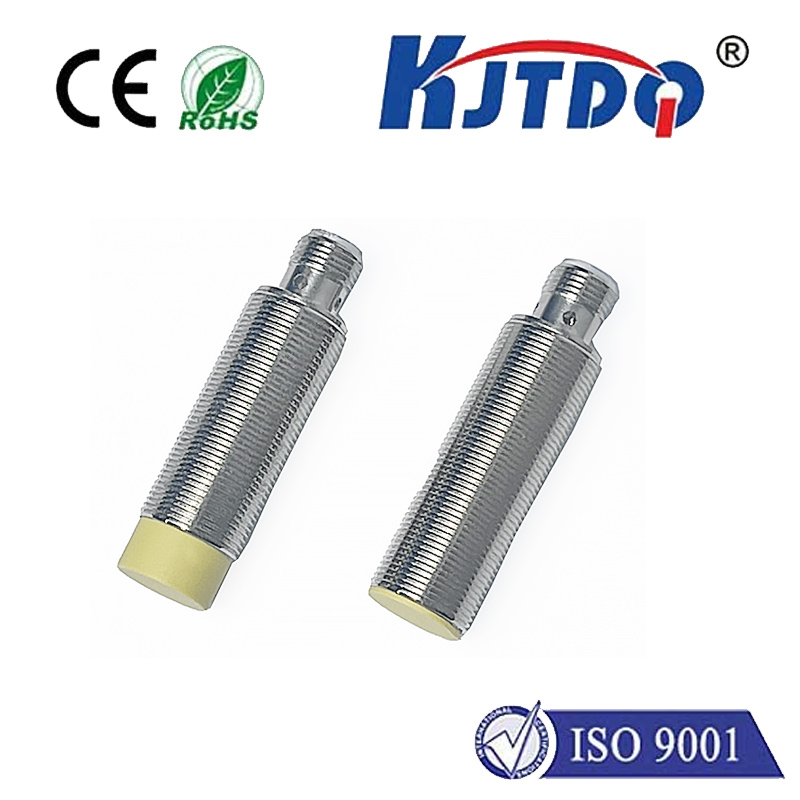
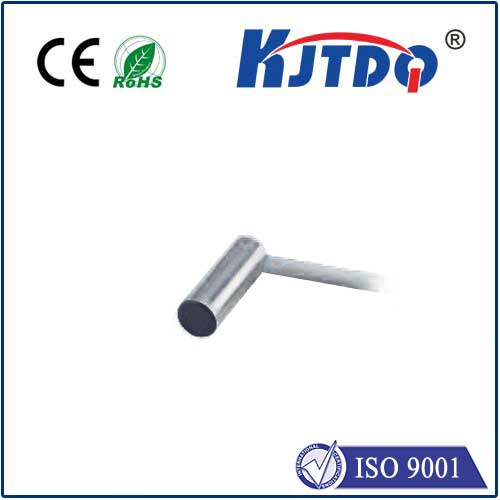
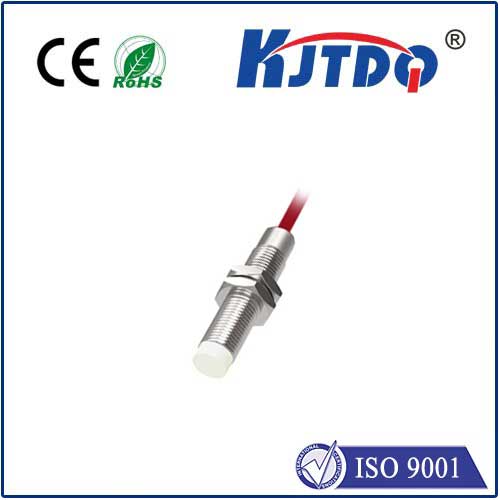
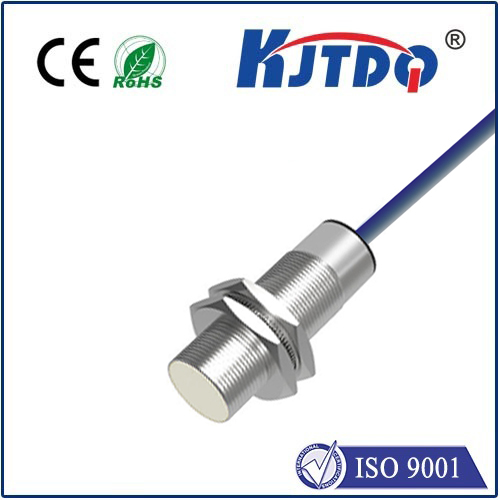
Unlike its unshielded counterpart, the shielded inductive sensor is encased in a metal shell, typically ferrite. This shielding is its superpower. It focuses the sensor's electromagnetic field directly in front of its sensing face, creating a precise and concentrated detection zone. This design offers a distinct advantage: it can be mounted flush with or even embedded within metal surfaces without triggering false signals from the surrounding material. Imagine mounting a sensor directly into a steel machine frame to detect the passage of a piston; an unshielded sensor would be confused by the frame itself, but a shielded sensor ignores it, focusing solely on its target. This allows for incredibly compact and integrated machine designs, saving valuable space in crowded control panels and equipment.
The core principle remains electromagnetic induction. The sensor generates a high-frequency oscillating electromagnetic field from its active face. When a metallic object—be it steel, aluminum, copper, or brass—enters this focused field, eddy currents are induced on the object's surface. These eddy currents draw energy from the sensor's oscillator, causing a measurable drop in oscillation amplitude. The sensor's sophisticated electronics detect this change and trigger a clean, solid-state output signal, switching a load on or off. This entire process, from detection to signal switch, happens with remarkable speed and reliability, unaffected by dust, oil, coolant, or non-metallic debris. This makes it ideal for harsh industrial environments where optical sensors might fail.
The applications of shielded inductive sensors are vast and varied, forming the nervous system of automated systems. In automotive assembly lines, they verify the presence of engine blocks or wheel hubs with absolute certainty before a robotic welder fires. In packaging machinery, they count aluminum caps on bottles, ensuring every product is properly sealed. Within CNC machining centers, they provide precise tool positioning and breakage detection, preventing costly damage to workpieces and the machine itself. They monitor the position of hydraulic cylinders, control the sorting of metal parts on high-speed conveyors, and ensure safety doors are securely closed before a press can operate. Their flush-mounting capability is particularly crucial in tight spaces, such as inside linear actuators or on robotic grippers, where reliable position feedback is non-negotiable.
Selecting the right shielded inductive sensor involves several key considerations. Sensing range, while typically shorter than unshielded models due to the focused field, must be appropriate for the application. The target material also influences performance; mild steel offers the longest range, while non-ferrous metals like aluminum or copper require a reduced range. Industry-standard housing sizes, such as M8, M12, M18, and M30 cylindrical styles, ensure compatibility with existing mounting brackets and connectors. Output configuration—PNP (sourcing) or NPN (sinking)—must match the control system's input card. Furthermore, many modern sensors feature IO-Link digital communication, enabling not just simple switching but also the transmission of detailed diagnostic data like temperature, operating hours, and signal strength for predictive maintenance.
As Industry 4.0 and smart manufacturing evolve, the role of the shielded inductive sensor is expanding. It is no longer just a simple switch but a data point in a connected ecosystem. Its inherent robustness, precision, and adaptability ensure it will remain an indispensable, if invisible, guardian. It is the reliable pulse at the fingertips of automation, enabling the speed, accuracy, and efficiency that define modern production. By making the right choice in this critical component, engineers and maintenance professionals build a foundation of reliability that keeps industry moving forward, silently and surely.