check

check

check

check

check

check
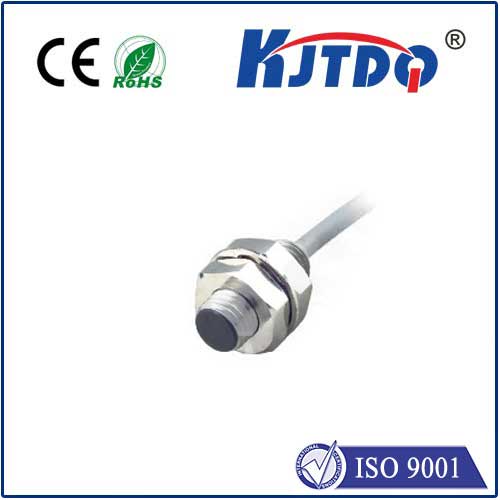
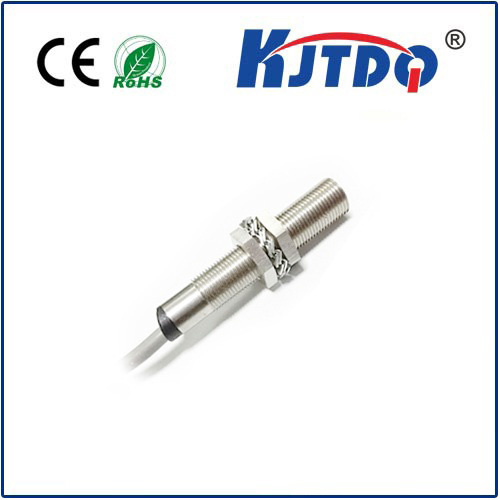
In the heart of every modern automated factory, beneath the hum of machinery and the precision of robotic arms, lies a critical yet often overlooked component: the industrial inductive sensor. This robust device operates silently, without physical contact, serving as the fundamental sensory organ for countless industrial processes. Its principle is elegantly simple yet profoundly effective. The sensor generates an electromagnetic field. When a metallic object enters this field, eddy currents are induced within the object, causing a change in the oscillation amplitude within the sensor's circuit. This change is detected and converted into a clear electrical signal—switching a load on or off, providing a crucial piece of data to a Programmable Logic Controller (PLC), or triggering the next step in a complex sequence.
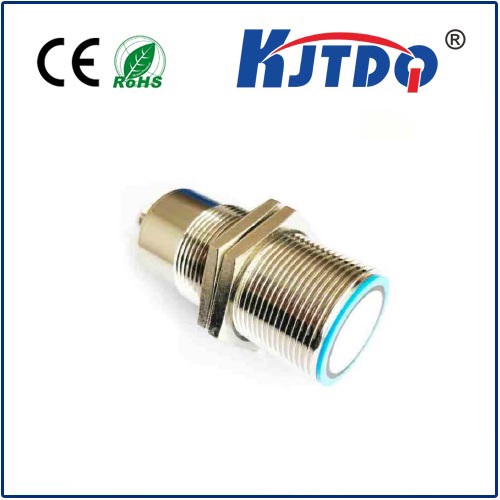
The true power of the industrial inductive sensor lies in its ruggedness and reliability. Designed to thrive in harsh environments, these sensors are typically housed in robust casings made from materials like nickel-plated brass, stainless steel, or PBT plastic, offering high resistance to dust, moisture, oils, and coolants. Unlike optical sensors, they are virtually immune to ambient light interference or the accumulation of dirt on the lens. Unlike mechanical limit switches, they have no moving parts to wear out, ensuring a long operational life with minimal maintenance. This makes them the go-to choice for demanding applications such as position detection on conveyor belts, monitoring the presence of metal parts in assembly lines, controlling the end positions of cylinders, and ensuring accurate counting and sorting tasks.
When selecting an industrial inductive sensor for a specific application, several key specifications demand attention. The sensing distance, often referred to as the "nominal range" (Sn), is paramount. It's crucial to note that this rating is standardized for a mild steel target. Different metals, such as aluminum or copper, have different damping effects on the electromagnetic field, resulting in a reduced effective sensing range, a factor accounted for by a correction factor. Another critical parameter is the switching frequency, which determines how quickly the sensor can detect objects passing by. High-speed production lines require sensors with high switching frequencies to maintain accuracy. Furthermore, the design of the sensor—whether cylindrical (threaded barrel), rectangular, or ring-shaped—and its output type (NPN or PNP sinking/sourcing, NO or NC) must be compatible with the control system in use.
The integration of the industrial inductive sensor into the broader Industrial Internet of Things (IIoT) landscape represents its evolving role. Modern sensors are no longer simple binary switches. Advanced versions come equipped with IO-Link communication capability. This digital protocol allows for the bidirectional exchange of data far beyond a simple on/off signal. Through IO-Link, parameters like temperature data from the sensor head, signal strength, or operating hours can be monitored. This enables predictive maintenance strategies, where a controller can alert operators to a potential sensor failure before it causes downtime, and allows for remote configuration and adjustment of sensor settings, drastically reducing machine setup times.
From the relentless pace of automotive manufacturing, where they verify the presence of engine blocks, to the precise world of packaging machinery, where they ensure metal foil seals are correctly positioned, industrial inductive sensors are indispensable. They provide the essential, reliable feedback that turns a collection of machines into a synchronized, intelligent production system. Their durability, non-contact operation, and adaptability solidify their status as the unseen guardians of efficiency, safety, and quality in industrial automation. As factories become smarter and more connected, the humble inductive sensor continues to evolve, proving that this foundational technology remains at the core of industrial innovation.