check

check

check

check

check

check
In the dynamic landscape of modern manufacturing, the pursuit of operational excellence hinges on precision, reliability, and safety. At the heart of this pursuit lies a critical component often overlooked: the proximity sensor. Specifically designed for the rigorous demands of factory environments, advanced proximity sensors like the KJTDQ series are revolutionizing how industrial equipment operates, ensuring seamless automation and robust performance.
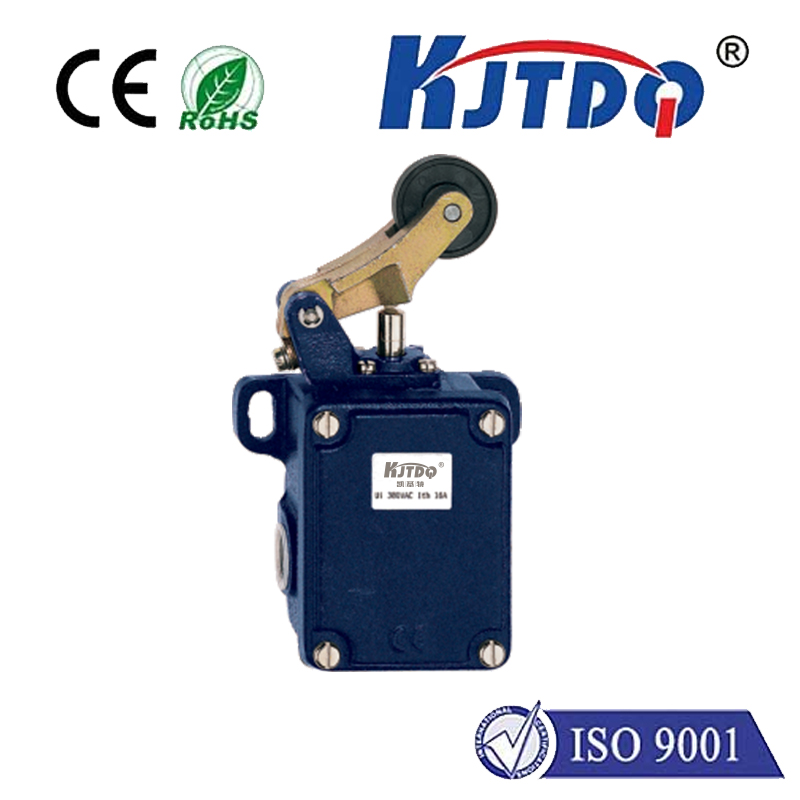
Traditional mechanical limit switches and manual inspection methods are increasingly becoming relics of the past. They are prone to wear, require physical contact, and can lead to costly downtime due to failures. The integration of non-contact proximity sensors addresses these challenges head-on. These devices detect the presence or absence of an object without any physical touch, using electromagnetic fields, light, or sound. For factory equipment, this translates to unparalleled durability and reduced maintenance.
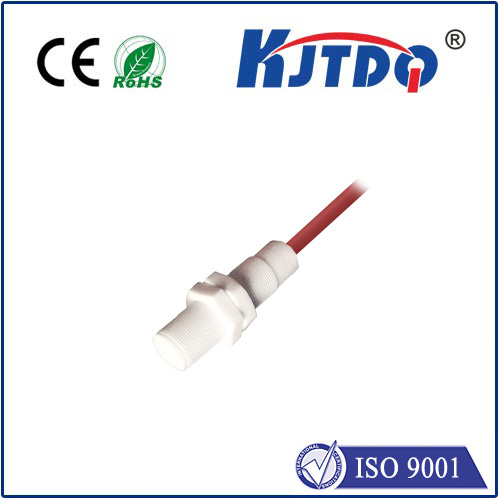
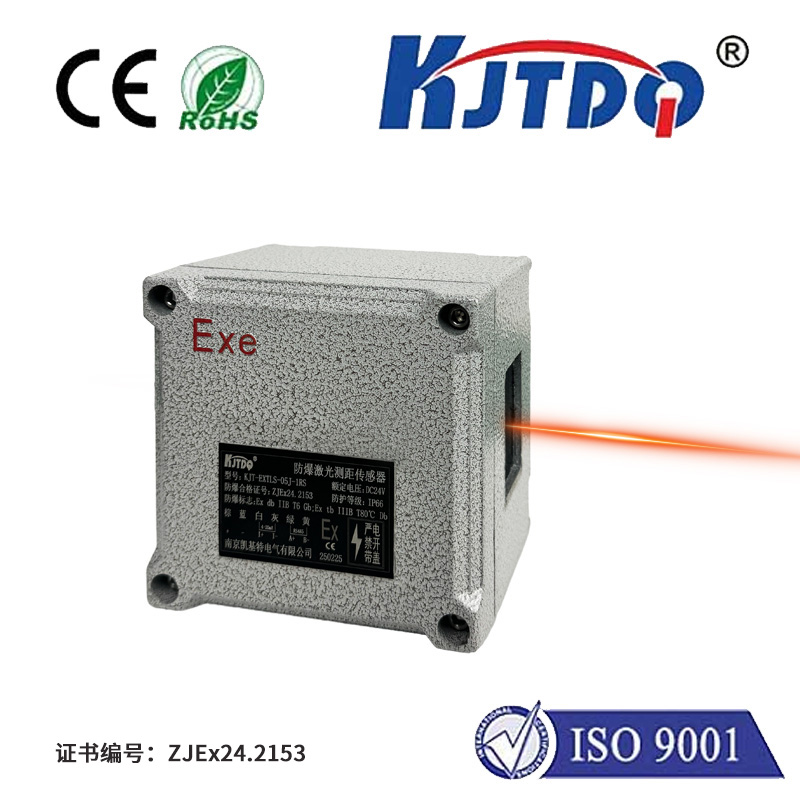
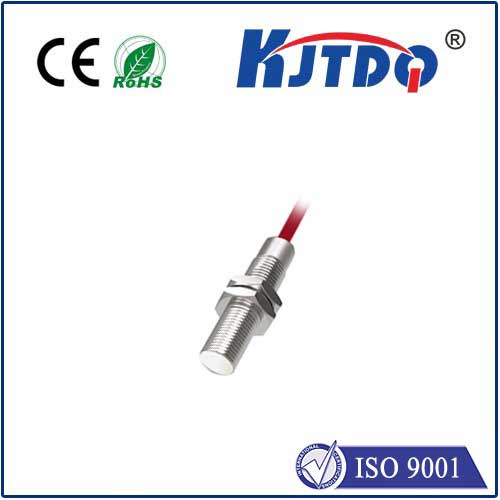
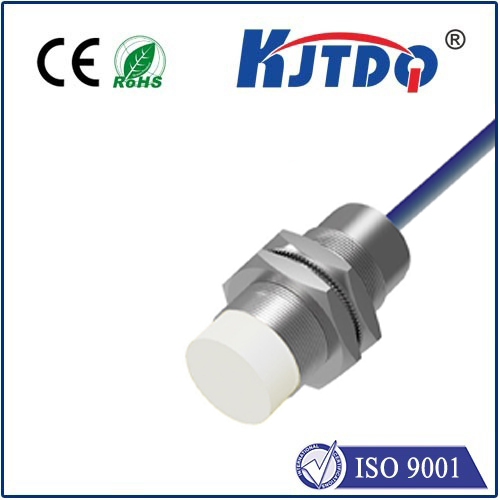
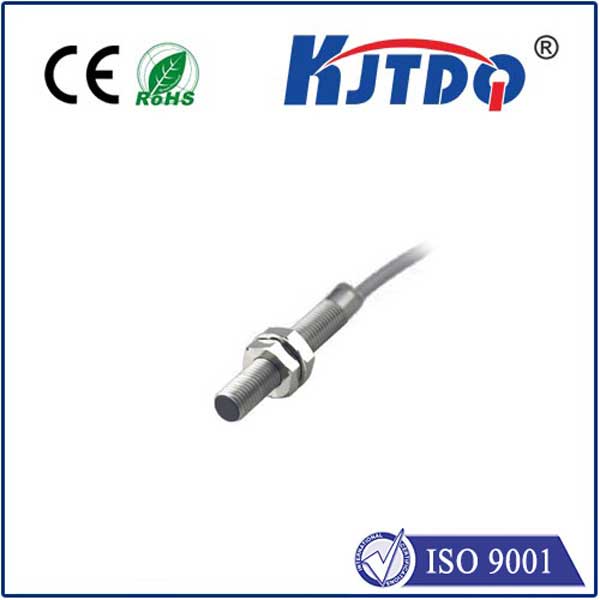
The KJTDQ Proximity Sensor exemplifies this technological leap. Engineered for industrial applications, it offers high-precision detection of metallic and non-metallic objects. Its robust housing is resistant to dust, moisture, oils, and chemical splashes commonly found in manufacturing plants, from automotive assembly lines to food processing units. This resilience ensures consistent operation in harsh conditions where other sensors might falter.
One of the primary advantages of deploying such a sensor is the significant enhancement in machine safety and operational efficiency. On a high-speed packaging line, for instance, the KJTDQ sensor can accurately detect the position of products on a conveyor belt. This allows for precise counting, sorting, and triggering of subsequent actions like sealing or labeling, all without interrupting the flow. This level of automation minimizes human error, increases throughput, and optimizes production cycles.
Furthermore, in automated guided vehicles (AGVs) and robotic arms, proximity sensors are indispensable for collision avoidance and precise positioning. The KJTDQ sensor provides reliable feedback, enabling robots to navigate complex factory floors safely or to pick and place components with millimeter accuracy. This not only protects valuable machinery and products but also safeguards personnel working in collaborative environments.
Energy efficiency is another compelling benefit. Unlike devices that require constant power to maintain a mechanical state, many modern inductive proximity sensors, including the KJTDQ model, consume minimal energy. They activate only upon detecting a target, contributing to lower overall energy consumption for the factory—a key consideration in sustainable manufacturing practices.
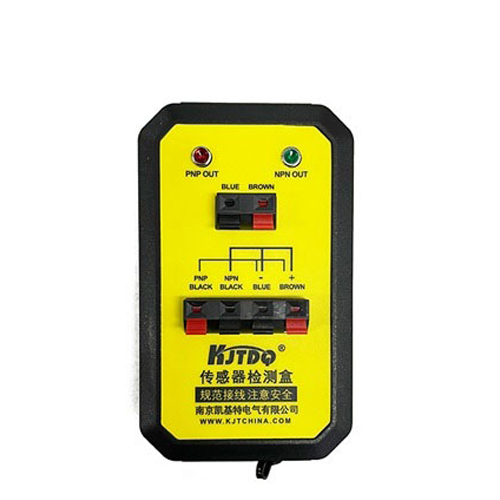
Installation and integration are streamlined with user-friendly designs. The KJTDQ sensor often features easy mounting options and compatibility with standard industrial interfaces like PNP/NPN outputs. This simplifies retrofitting into existing equipment or incorporating into new machinery designs, reducing installation time and associated costs. Their long operational life, often measured in millions of cycles, translates to a lower total cost of ownership despite the initial investment.
Data collection is the cornerstone of Industry 4.0, and proximity sensors are vital data points. The detection signals from KJTDQ sensors feed into Programmable Logic Controllers (PLCs) and supervisory systems, providing real-time insights into machine status, production counts, and potential fault conditions. This data enables predictive maintenance, where potential issues are identified before they cause unplanned stoppages, maximizing equipment uptime.
In conclusion, the evolution from contact-based detection to non-contact sensing represents a fundamental shift in industrial automation. The Proximity Sensor for Factory Equipment, particularly advanced models like the KJTDQ series, is no longer just an accessory but a strategic asset. It drives efficiency, ensures safety, promotes sustainability, and provides the critical data needed for intelligent decision-making. For any manufacturing operation aiming to stay competitive, investing in reliable, high-performance proximity sensing technology is not an option but a necessity for building the resilient, smart factories of the future.