check

check

check

check

check

check
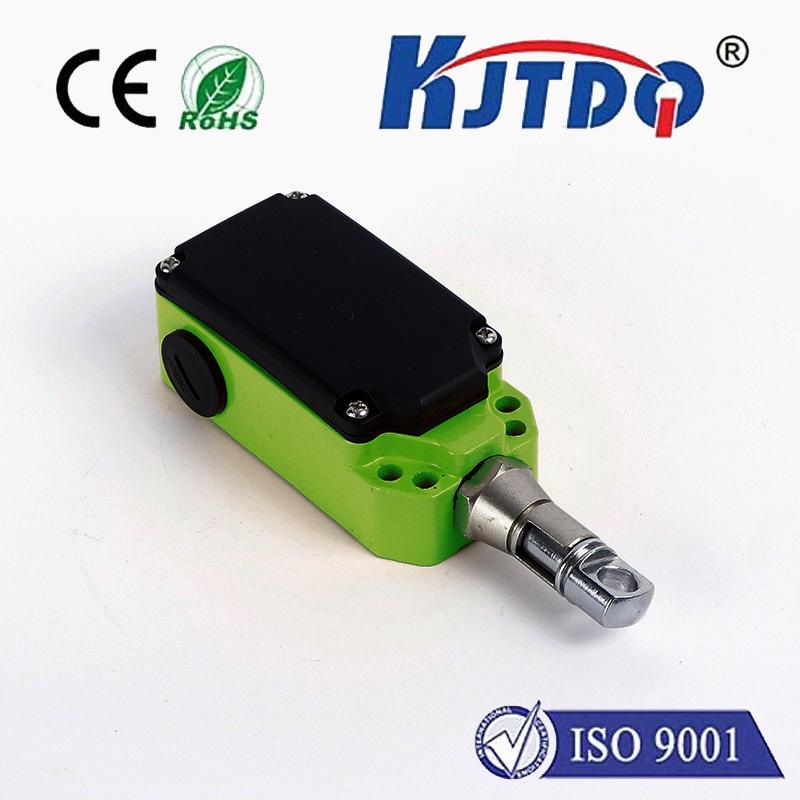
In the fast-paced world of industrial automation, safety remains a non-negotiable priority. Among the myriad of safety devices designed to protect personnel and machinery, the pull cord switch stands out as a critical component for emergency stopping. The NST2-II-B model, in particular, represents a significant advancement in this category, offering robust performance and reliability in demanding environments. This article delves into the features, applications, and benefits of the NST2-II-B pull cord switch, highlighting why it is a preferred choice for industries worldwide.
The NST2-II-B pull cord switch is engineered to provide an immediate and effective means of halting conveyor belts, machinery, or entire production lines in case of an emergency. Its design incorporates a durable housing that withstands harsh conditions, including dust, moisture, and extreme temperatures. The switch operates on a simple yet effective principle: when the pull cord is activated, it triggers a mechanism that cuts off power to the equipment, preventing accidents and minimizing downtime. This functionality is crucial in industries such as mining, manufacturing, and logistics, where conveyor systems are integral to operations.
One of the key features of the NST2-II-B is its high sensitivity and responsiveness. The switch is calibrated to detect even slight tension changes in the pull cord, ensuring that it activates promptly when needed. This sensitivity reduces the risk of false alarms while maintaining a high level of safety. Additionally, the NST2-II-B is designed for easy installation and maintenance. Its modular construction allows for quick replacement of components, reducing maintenance time and costs. The switch also includes visual indicators, such as LED lights, to signal its status, making it easier for operators to monitor its condition.
In terms of applications, the NST2-II-B pull cord switch is versatile and can be integrated into various industrial setups. It is commonly used in conveyor belt systems, where it is installed along the length of the belt at regular intervals. This placement ensures that operators can access the switch from any point along the conveyor, enabling rapid response in emergencies. Beyond conveyors, the switch is also employed in packaging lines, assembly stations, and material handling equipment. Its adaptability makes it a valuable asset in any environment where worker safety and equipment protection are paramount.
The benefits of using the NST2-II-B extend beyond safety. By preventing accidents, the switch helps avoid costly repairs, legal liabilities, and production delays. Its reliability ensures continuous operation, contributing to overall efficiency and productivity. Moreover, the switch complies with international safety standards, such as ISO and IEC certifications, giving businesses confidence in its performance. This compliance is essential for companies operating in regulated industries, where adherence to safety norms is mandatory.
Another advantage of the NST2-II-B is its cost-effectiveness. Compared to other emergency stop devices, it offers a balance of affordability and high performance. The switch's durability means it has a long service life, reducing the need for frequent replacements. Furthermore, its ease of integration with existing control systems minimizes installation expenses. For businesses looking to enhance their safety protocols without significant investment, the NST2-II-B presents an ideal solution.
In conclusion, the NST2-II-B pull cord switch is a vital tool for modern industrial safety. Its robust design, sensitivity, and versatility make it suitable for a wide range of applications. By investing in this device, companies can protect their workforce, safeguard equipment, and maintain operational continuity. As industries continue to evolve, the importance of reliable safety mechanisms like the NST2-II-B cannot be overstated. It stands as a testament to innovation in safety technology, ensuring that progress in automation does not come at the expense of human well-being.