check

check

check

check

check

check
In the intricate world of industrial automation and smart device design, the ability to detect the presence, absence, or position of an object without physical contact is paramount. This is where the proximity sensor for object detection becomes an indispensable component. Far from being a simple switch, these sophisticated electronic devices are the silent sentinels that enable precision, efficiency, and enhanced safety across countless applications.
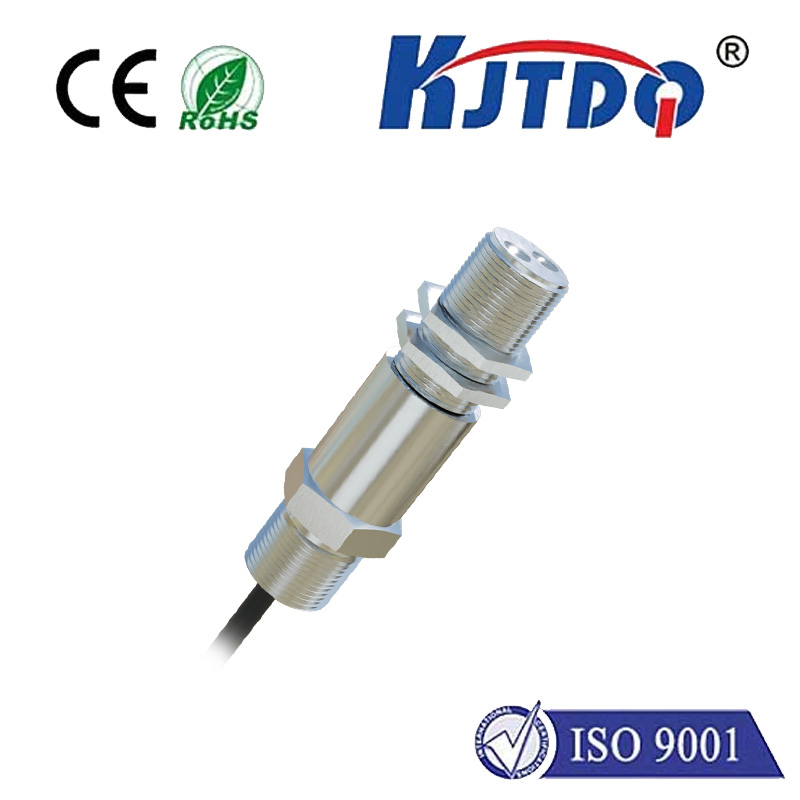
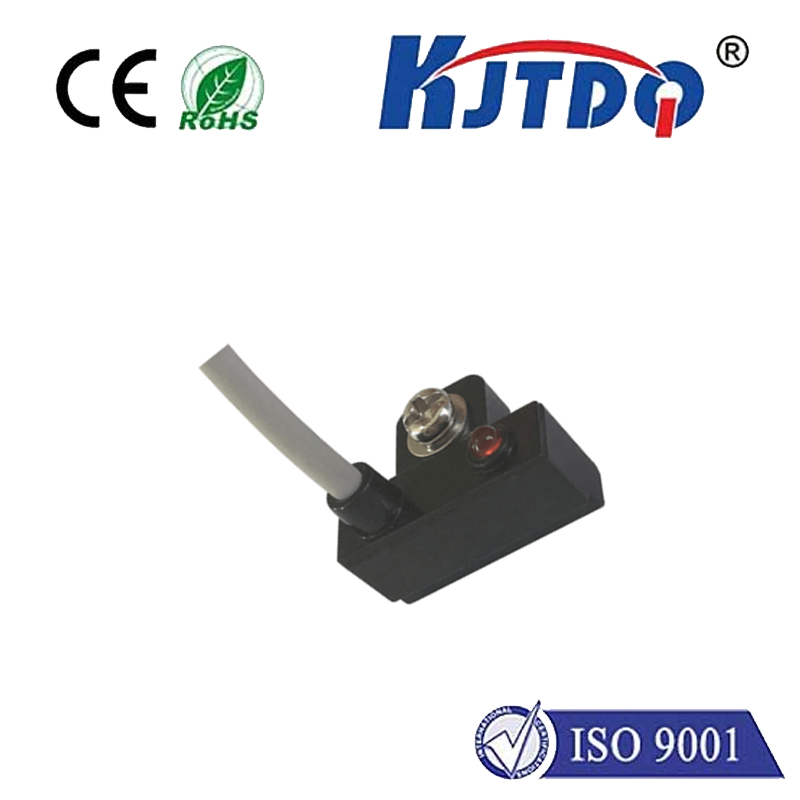
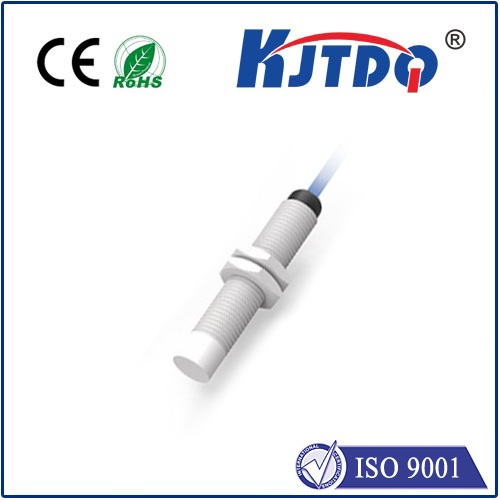
At its core, a proximity sensor for object detection operates by emitting an electromagnetic field or a beam of electromagnetic radiation, typically infrared light. It then looks for changes in the field or the return signal. The primary advantage is non-contact detection, which eliminates mechanical wear and tear, allows for high-speed operation, and enables sensing of objects that might be fragile, hot, or otherwise unsuitable for tactile switches. Common technologies include inductive sensors for detecting metallic objects, capacitive sensors for both metallic and non-metallic materials like liquids or plastics, and photoelectric sensors that use light beams.
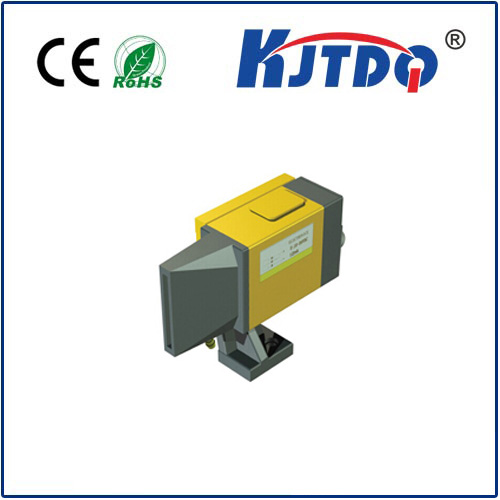
The applications are vast and varied. On a fast-moving automotive assembly line, inductive proximity sensors reliably detect the position of metal components like engine blocks or wheel hubs, ensuring robotic arms place parts with millimeter accuracy. In the packaging industry, photoelectric sensors count bottles on a conveyor belt or verify that a carton flap is properly closed before sealing. Within consumer electronics, a capacitive proximity sensor in a smartphone can deactivate the touchscreen when the device is held to the ear during a call, preventing accidental inputs. Furthermore, they are critical for safety; forming light curtains around dangerous machinery to halt operation instantly when an object—or a worker’s hand—breaches the protected zone.
Selecting the right proximity sensor for a specific object detection task requires careful consideration of several factors. The material of the target object is the first determinant: inductive for metals, capacitive for a broader range, and photoelectric for almost any material. The required sensing range, environmental conditions (presence of dust, moisture, or temperature extremes), response speed, and output type (digital or analog) are all crucial. For instance, a washdown environment in a food processing plant demands a sensor with a high IP rating for water and chemical resistance.
Modern advancements are pushing the boundaries of what these sensors can achieve. The integration of IO-Link communication allows sensors to transmit not just a simple on/off signal but rich diagnostic data, enabling predictive maintenance and finer process control. Miniaturization has led to incredibly small sensors that fit into tight spaces in compact machinery or portable devices. Enhanced algorithms have improved immunity to environmental interference, such as ignoring background objects or compensating for accumulated dust on a lens.
The implementation of a robust proximity sensing system is a cornerstone of the Internet of Things (IoT) and Industry 4.0 paradigms. By providing reliable, real-time data about the physical state of machinery and products, these sensors feed higher-level control systems and data analytics platforms. This connectivity facilitates smarter decision-making, optimized production flows, and truly adaptive manufacturing lines that can respond dynamically to changes.
In conclusion, the proximity sensor for object detection is a fundamental technology driving modern automation forward. Its role in ensuring operational precision, safeguarding equipment, and protecting personnel cannot be overstated. From the simplest counting task to the most complex robotic guidance system, these sensors provide the essential "eyes" of the machine. As technology continues to evolve, we can expect proximity sensors to become even more intelligent, versatile, and integral to building a safer, more efficient, and interconnected industrial landscape.