check

check

check

check

check

check
In the intricate world of industrial automation and safety systems, the role of detection equipment is paramount. At the heart of many of these sophisticated systems lies a critical component: the proximity sensor. Specifically designed for detection equipment, these sensors are the unsung heroes that enable non-contact, precise, and reliable object detection, forming the foundational layer for automation, control, and safety protocols.
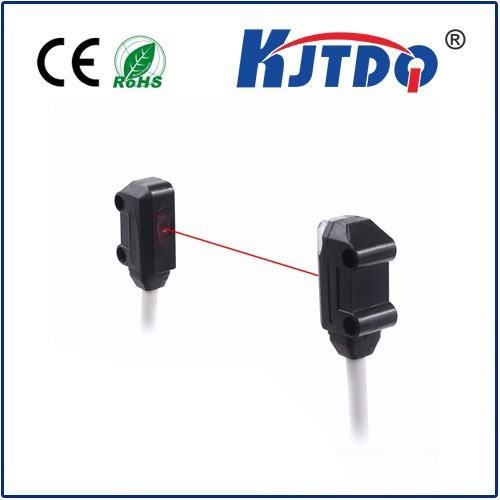
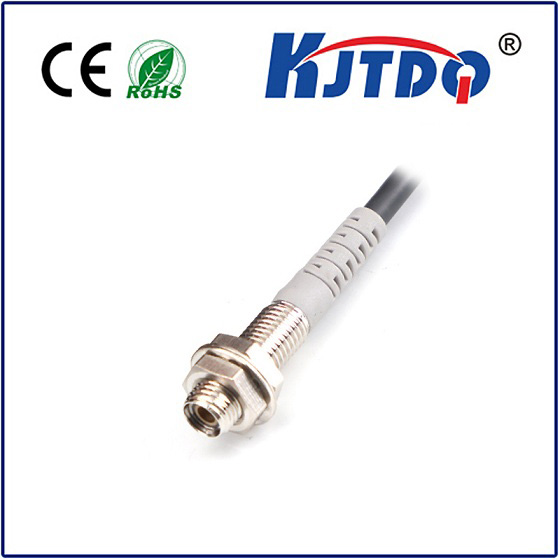
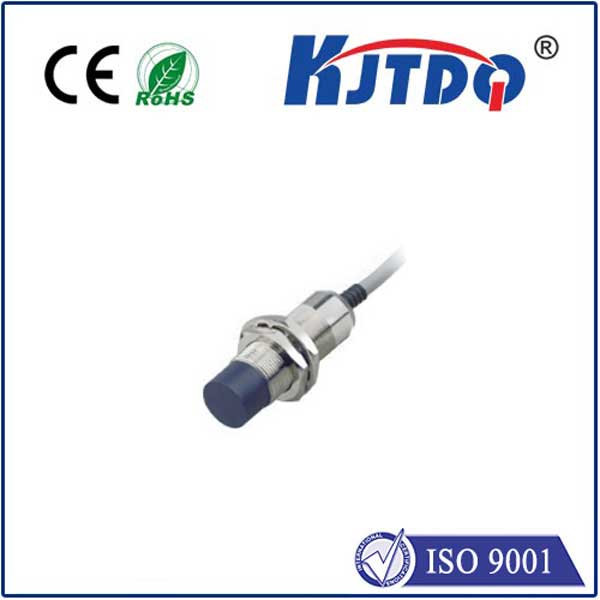
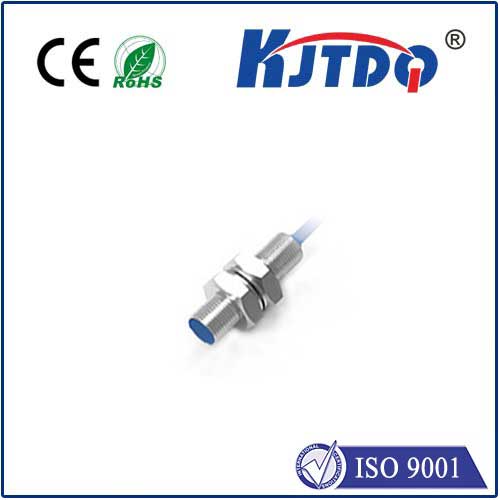
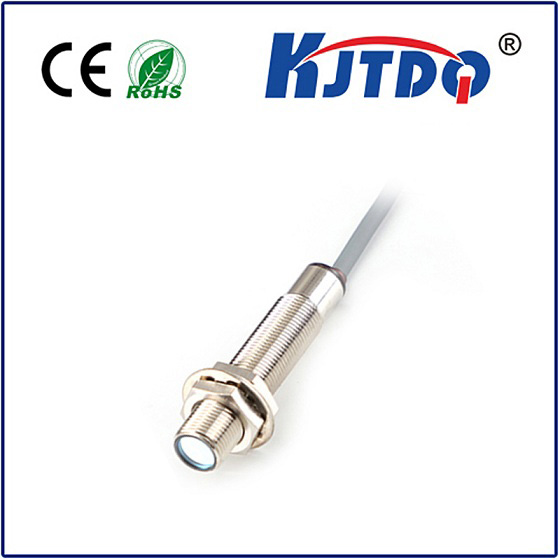
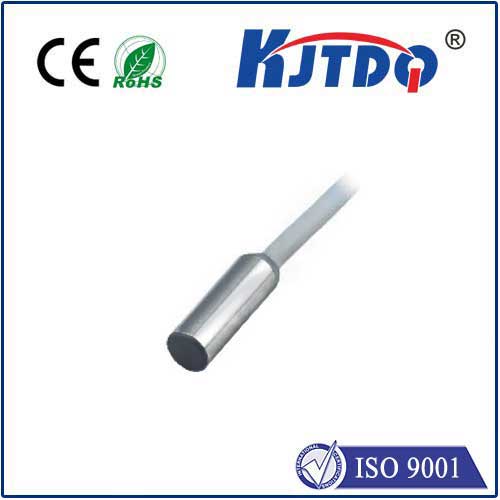
Unlike traditional mechanical switches, a proximity sensor for detection equipment operates by emitting an electromagnetic field or a beam of electromagnetic radiation and looking for changes in the field or return signal. The primary advantage is the complete absence of physical contact with the target object. This non-invasive nature eliminates mechanical wear and tear, significantly extending the operational lifespan of both the sensor and the machinery. It allows for the detection of objects regardless of their material composition—be it metal, plastic, wood, or liquid—depending on the sensor technology employed. Common types include inductive sensors for metals, capacitive sensors for a wider range of materials including non-metals, and photoelectric sensors using light beams.
The integration of high-quality proximity sensors directly translates to enhanced precision in detection equipment. In manufacturing assembly lines, for instance, these sensors provide exact positioning data for robotic arms, ensuring components are placed with micron-level accuracy. They count products on high-speed conveyors without missing a single item, monitor fill levels in tanks without direct liquid contact, and confirm the presence or absence of parts before a critical machining process begins. This level of precision minimizes production errors, reduces waste, and ensures consistent product quality.
Reliability is another cornerstone. Designed to operate in harsh industrial environments, modern proximity sensors for detection equipment are built to withstand dust, moisture, vibrations, and extreme temperatures. Their solid-state design, with no moving parts to jam or break, ensures uninterrupted operation. This robustness is crucial for safety-critical applications. In automated guided vehicles (AGVs), proximity sensors act as collision avoidance systems, detecting obstacles and triggering immediate stops. In heavy machinery, they serve as interlock sensors, preventing operation if a safety guard is not correctly in place, thereby protecting personnel.
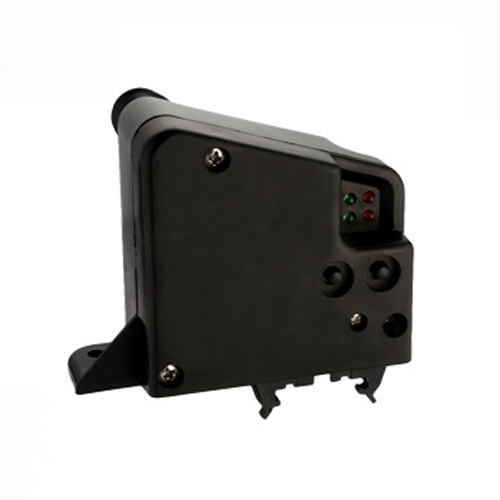
The evolution towards Industry 4.0 and the Internet of Things (IoT) has further elevated the importance of intelligent proximity sensors. Modern sensors come equipped with advanced features like IO-Link communication, which allows for parameter setting, real-time monitoring of sensor health, and diagnostic data transmission. This enables predictive maintenance, where potential issues can be addressed before they cause downtime, and allows for seamless integration into larger networked control systems. Detection equipment becomes smarter, more adaptable, and easier to configure for different tasks.
Selecting the right proximity sensor for detection equipment requires careful consideration of several factors. The application environment dictates the required ingress protection (IP) rating. The sensing distance, target material, and required output type (e.g., NPN, PNP, analog) must align with the system's design. Furthermore, factors like response time and switching frequency are critical for high-speed applications. Consulting with technical specialists or sensor manufacturers is often essential to match the perfect sensor to the specific detection challenge.
From packaging machines and CNC machining centers to pharmaceutical production and automotive welding lines, proximity sensors are indispensable. They provide the essential "eyes" for detection equipment, enabling automated systems to perceive their environment accurately and act accordingly. By ensuring precise, reliable, and non-contact detection, these sensors not only optimize operational efficiency and productivity but also form a vital layer of safety, protecting both valuable assets and human operators. As technology advances, their role will only become more integrated and intelligent, driving the future of automated detection and control.