check

check

check

check

check

check
In the dynamic landscape of modern manufacturing, efficiency, reliability, and safety are non-negotiable pillars of success. At the heart of achieving these goals lies a critical yet often unsung component: the proximity sensor. These sophisticated devices are fundamental to factory automation, serving as the digital eyes and tactile senses of automated systems. They enable machinery to perceive its environment without physical contact, triggering precise actions that streamline operations and prevent costly errors.
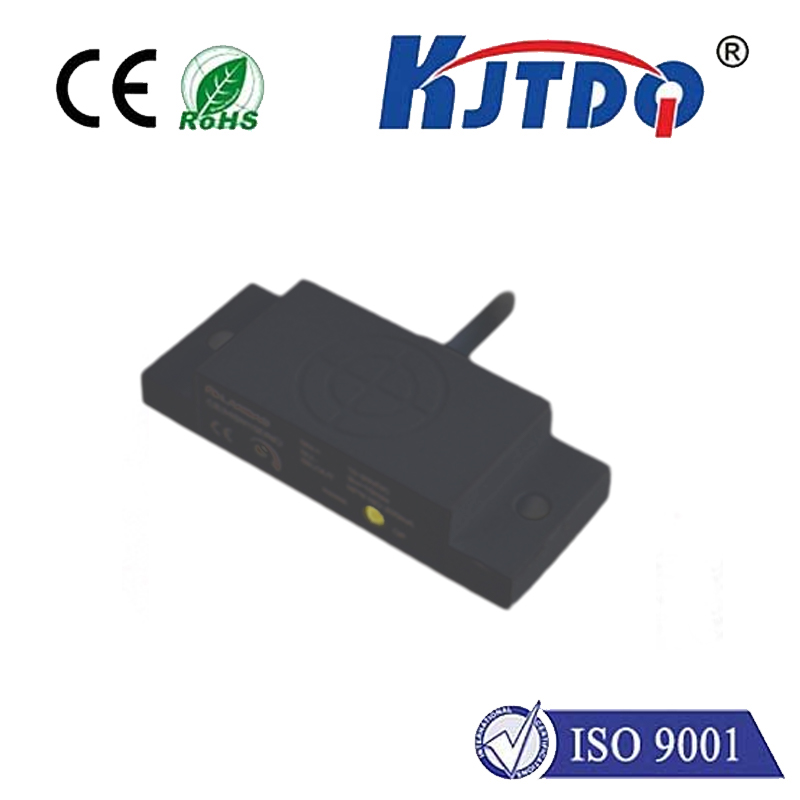
Proximity sensors operate on various principles, including inductive, capacitive, ultrasonic, and photoelectric technologies. Inductive sensors, for instance, are ideal for detecting metallic objects in harsh industrial environments, making them perfect for assembly line part verification or robotic arm positioning. Capacitive sensors can detect both metallic and non-metallic materials, such as liquids, plastics, or glass, which is invaluable in packaging or material handling applications. By providing non-contact detection, these sensors eliminate mechanical wear and tear, significantly reducing maintenance needs and downtime.
The integration of proximity sensors into automated systems yields transformative benefits. First and foremost is enhanced operational efficiency. Sensors provide real-time, accurate data on the presence, position, and movement of objects. This allows for precise control of conveyor speeds, robotic sequences, and machine tool operations, minimizing cycle times and maximizing throughput. For example, a sensor can detect a component on a conveyor belt and signal a robotic arm to pick and place it with millimeter accuracy, all within fractions of a second.
Safety is another paramount advantage. Proximity sensors are crucial for creating safe working environments by implementing safety interlocks and presence detection. They can halt a machine if a protective guard is opened or if a worker enters a hazardous zone, preventing accidents and ensuring compliance with stringent industrial safety standards. This proactive approach to safety protects personnel and safeguards expensive equipment from damage.
Furthermore, the data collected by networks of proximity sensors feeds into larger Industrial Internet of Things (IIoT) ecosystems. This data is analyzed to predict maintenance needs, optimize energy consumption, and provide insights for continuous process improvement. The move towards smart factories relies heavily on this granular, sensor-derived data to drive informed decision-making and adaptive manufacturing processes.
When selecting a proximity sensor for a specific factory automation application, several factors must be considered. These include the sensing range required, the material of the target object, the environmental conditions (such as temperature, humidity, or exposure to chemicals), and the required output signal. Choosing the right sensor ensures optimal performance, longevity, and return on investment.
In conclusion, the proximity sensor is far more than a simple switch. It is an intelligent enabler of modern factory automation. From boosting productivity and ensuring product quality to upholding the highest safety protocols, these devices are indispensable. As automation continues to evolve with trends like collaborative robotics and flexible manufacturing lines, the role of advanced, reliable proximity sensors will only become more central. Investing in high-quality sensing technology is not merely an operational upgrade; it is a strategic step towards building a more resilient, efficient, and competitive manufacturing operation.