check

check

check

check

check

check
In the fast-paced world of modern logistics, warehouse automation has become the backbone of efficient supply chains. At the heart of this silent revolution lies a critical, yet often overlooked component: the proximity sensor. These unassuming devices are the unsung heroes, providing the essential "senses" that allow automated systems to perceive their environment, make intelligent decisions, and operate with precision and safety. For any operation aiming to optimize its warehouse, understanding the pivotal role of proximity sensors is no longer optional; it's fundamental.
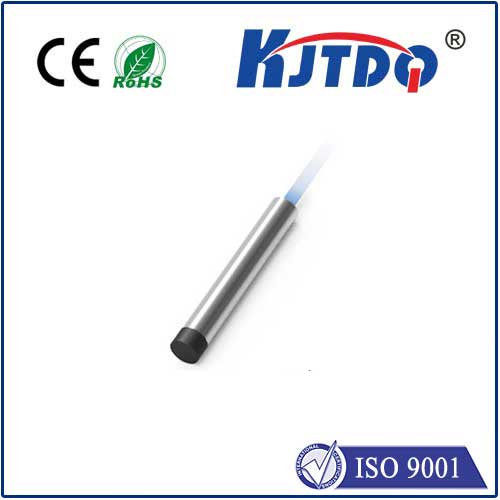
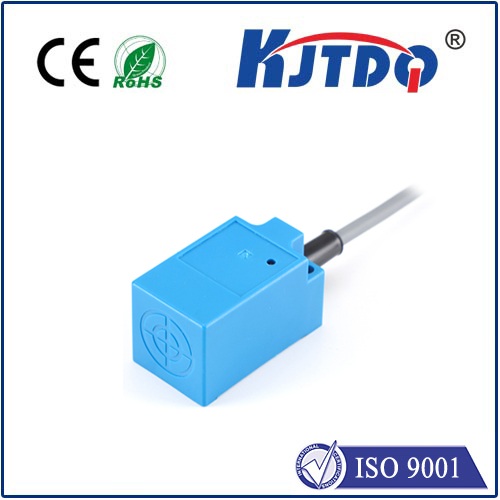
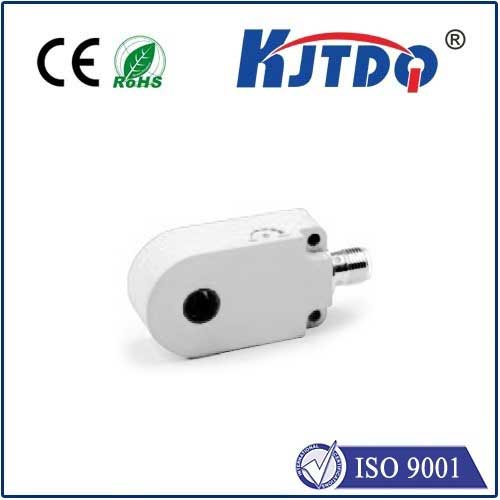
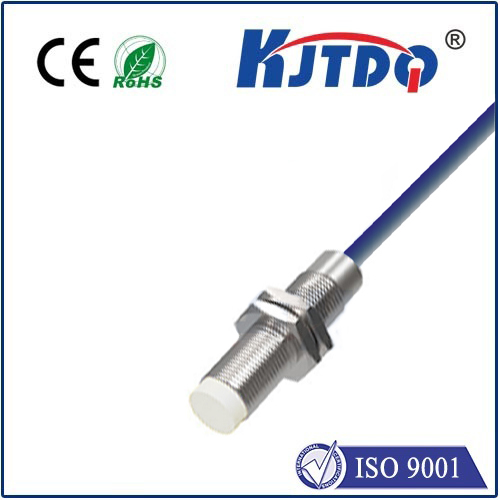
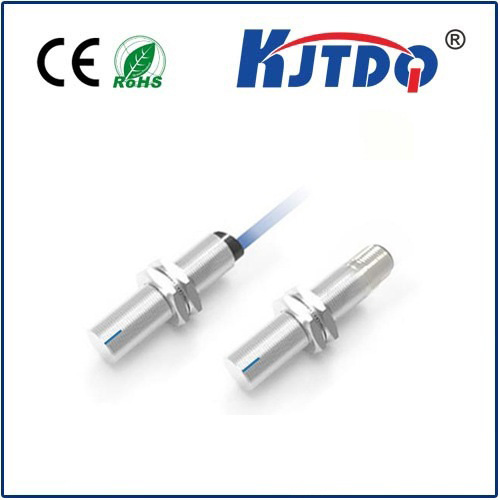
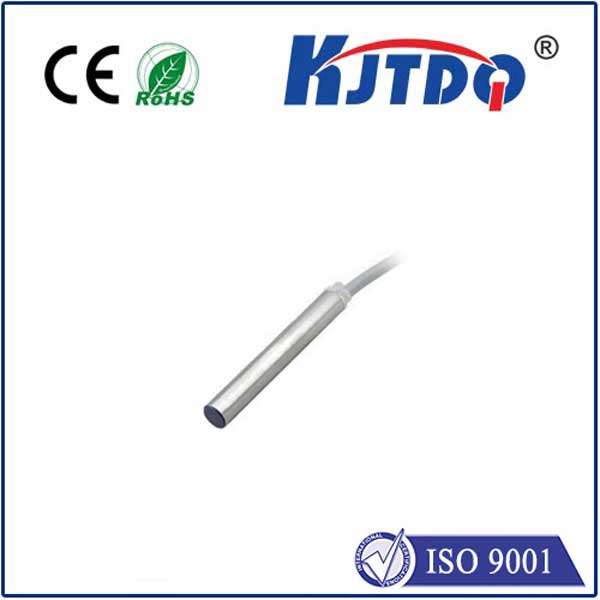
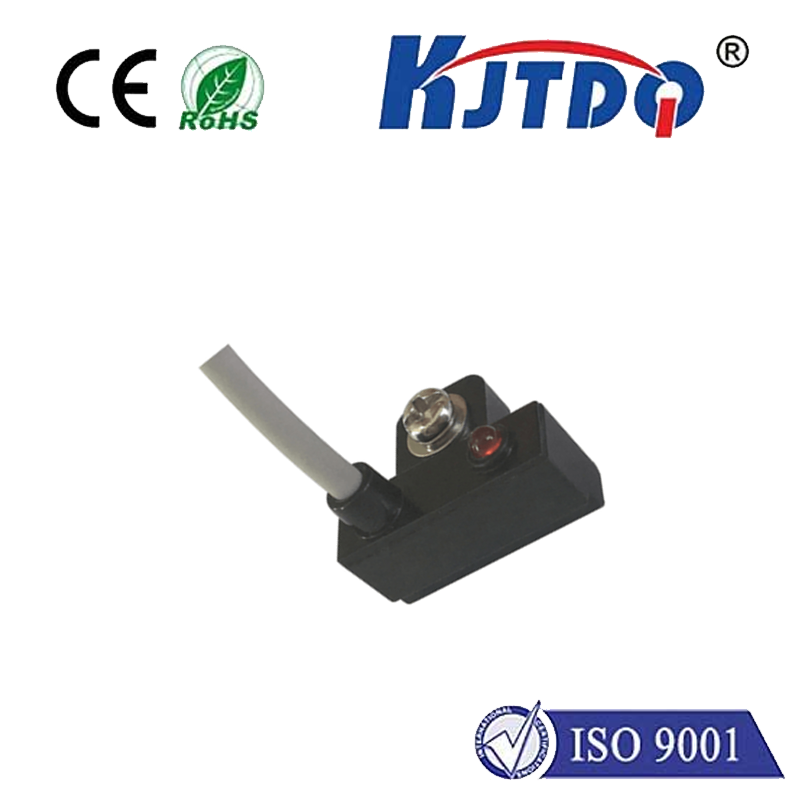
Unlike traditional mechanical switches, proximity sensors detect the presence or absence of an object without any physical contact. They achieve this through various technologies, with inductive and capacitive sensors being the most prevalent in warehouse settings. Inductive sensors are ideal for detecting metallic objects, such as pallets, robotic arms, or conveyor components. Capacitive sensors, on the other hand, can detect a wider range of materials, including liquids, plastics, and wood, making them perfect for inventory management and level detection. This non-contact nature eliminates wear and tear, ensuring remarkable longevity and reducing maintenance downtime significantly.
The applications within an automated warehouse are vast and transformative. On conveyor systems, proximity sensors act as traffic controllers. They precisely detect the position of packages, triggering sorting gates, counting items, and ensuring proper spacing to prevent jams. In Automated Storage and Retrieval Systems (AS/RS), these sensors provide absolute positional feedback for cranes and shuttles, guaranteeing they stop at the exact location to store or retrieve a pallet, maximizing vertical space utilization. For autonomous mobile robots (AMRs) and automated guided vehicles (AGVs), arrays of proximity sensors form a crucial part of their safety and navigation systems. They create an invisible safety bubble, enabling the vehicle to detect obstacles, personnel, or other vehicles and stop or reroute to avoid collisions, ensuring a safe human-robot collaborative environment.
Beyond core material handling, proximity sensors enhance operational control and preventive maintenance. They monitor the status of doors, hatches, and protective guards, ensuring they are securely closed before machinery operates. They can detect the presence of tools on racks or verify if a machine is correctly loaded with raw materials. By monitoring vibration or alignment in motors and rollers, they can provide early warnings of potential failures, shifting maintenance from reactive to predictive schedules. This data-driven approach prevents costly breakdowns and extends the lifespan of capital equipment.
Selecting the right proximity sensor requires careful consideration of several factors. The sensing range, environmental conditions (like dust, moisture, or temperature fluctuations), the material of the target object, and the required output signal are all critical. Modern sensors offer robust designs with IP67 or higher ratings to withstand harsh warehouse environments. Furthermore, the integration of Industrial Internet of Things (IIoT) capabilities is a growing trend. Smart sensors with IO-Link or other communication protocols can transmit not just a simple on/off signal but also diagnostic data like operating temperature, signal strength, and device health to a central control system, enabling deeper analytics and optimization.
Implementing a robust network of high-quality proximity sensors delivers a compelling return on investment. The primary gains are seen in dramatic increases in throughput and accuracy. Automated systems can operate at higher speeds with zero errors in positioning, leading to faster order fulfillment. Safety is profoundly enhanced, protecting both valuable assets and, more importantly, the workforce. Reduced product damage, lower energy consumption from optimized equipment cycles, and minimal unplanned maintenance all contribute to a healthier bottom line. The initial investment in reliable sensor technology pays for itself many times over through continuous operational gains.
As warehouse automation evolves towards greater intelligence and flexibility, the role of the proximity sensor will only expand. They are the fundamental building blocks that provide the reliable, real-time data necessary for complex algorithms and AI-driven systems to function effectively. From ensuring a single box is correctly sorted to orchestrating the dance of dozens of autonomous robots, these devices provide the critical link between the digital command and the physical action. For businesses seeking to build a resilient, efficient, and future-ready warehouse, prioritizing a strategic approach to proximity sensing is not just a technical detail—it is the key to unlocking true operational excellence.