check

check

check

check

check

check
In the intricate world of automation and electronic control, the reliability of every single component dictates the performance of the entire system. Among these critical components, the micro switch stands as a silent sentinel, ensuring seamless operation. The V 153 1C25 micro switch, in particular, has carved a niche for itself as a premier choice for engineers and designers seeking unparalleled precision and durability. This article delves into the technical excellence and broad applications of this specific switch model, highlighting why it remains a cornerstone in advanced control mechanisms.
At its core, the V 153 1C25 is a snap-action switch, a type of micro switch known for its distinct, high-speed actuation. The defining characteristic of this technology is the rapid transition of its electrical contacts from one state to another, triggered by minimal physical force. This action is largely independent of the speed at which the actuator is pressed, a feature that provides consistent performance and longevity. The "V 153" designation typically refers to a specific series or form factor, often indicating a compact, standardized size with specific mounting dimensions. The "1C25" likely details the electrical ratings and contact configuration, such as a single-pole, double-throw (SPDT) setup with a current rating suitable for control circuits. This precise engineering translates into a device that offers exceptional repeatability, meaning it can perform millions of cycles with minimal deviation in its operating point.
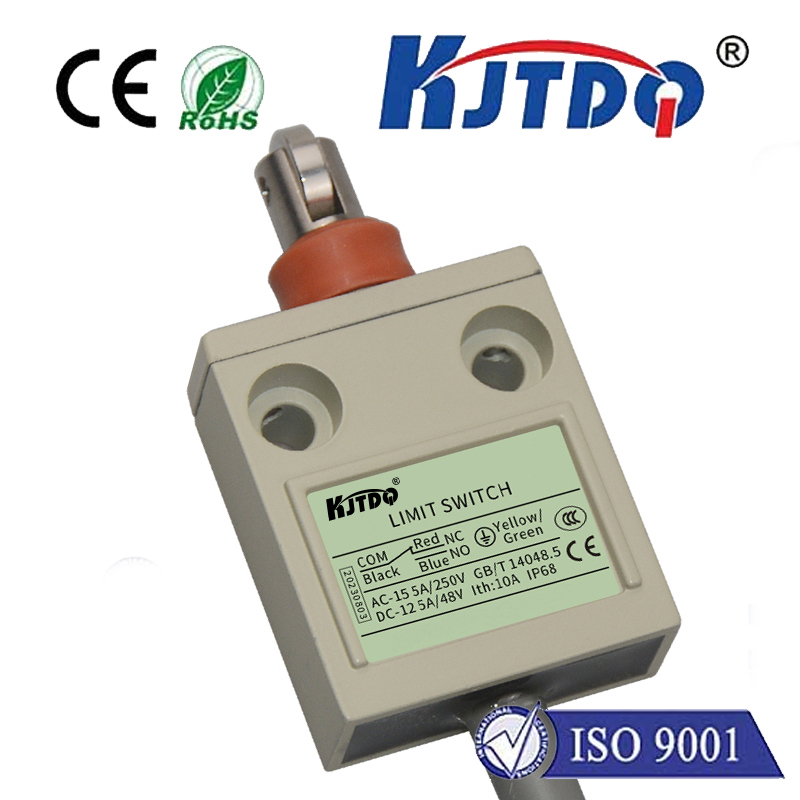
The construction of the V 153 1C25 micro switch is a testament to robust engineering. Housed in a durable plastic or metal casing, it protects a meticulously crafted internal mechanism. The heart of the switch contains a spring and a set of silver-alloy contacts. When the external actuator—which could be a lever, roller, or plunger—is engaged, it compresses the spring until a critical point is reached. This causes the spring to "snap," instantly moving the contacts to close or open a circuit. This snap-action design is crucial. It prevents contact arcing by ensuring a quick make-and-break, which in turn reduces contact wear and prevents the dangerous phenomenon of contact welding. The result is a switch with an extended operational life and high reliability under frequent use.
The applications for the V 153 1C25 micro switch are vast and varied, spanning numerous industries. In the realm of home appliances, it serves as a door interlock switch in microwave ovens, washing machines, and refrigerators, ensuring the device only operates when the door is securely closed for safety. Within automotive systems, these switches are employed in brake pedal position sensors, gear shift selectors, and door ajar indicators, where fail-safe operation is non-negotiable. Industrial automation heavily relies on them for limit switching on CNC machines, robotic arms, and conveyor systems, providing precise positional feedback. Furthermore, they are found in vending machines, photocopiers, and medical equipment, acting as position detectors or safety cut-offs. Their versatility stems from their ability to function reliably in diverse environmental conditions, often offering resistance to dust, moisture, and temperature fluctuations when specified with appropriate seals.
Selecting the right micro switch for a project involves careful consideration of several parameters, and the V 153 1C25 model's specifications provide a clear framework. Key factors include the electrical rating (voltage and current for both AC and DC loads), the type of actuator (which determines how the switch is triggered), the mechanical life (often in millions of cycles), and the operating force required. The physical dimensions and mounting style are equally important for integration into existing designs. Engineers often compare these specs against the application's demands for load, frequency of use, and environmental exposure. The widespread availability and standardization of models like the V 153 1C25 make them a preferred component, simplifying the design-in process and ensuring easy replacement in the field.
Ultimately, the enduring relevance of the V 153 1C25 micro switch lies in its perfect balance of simplicity, reliability, and precision. It exemplifies how a fundamentally mechanical component continues to be indispensable in our increasingly digital world. For system designers, it offers a proven, cost-effective solution for adding critical detection and control functions. Its design minimizes maintenance needs and maximizes safety, protecting both equipment and users. As technology evolves towards smarter systems and the Internet of Things (IoT), the role of dependable physical interface components like micro switches becomes even more pronounced. They provide the essential link between physical actions and digital responses, forming the backbone of interactive and automated systems. The V 153 1C25, with its specific performance characteristics, remains a trusted and efficient engine for modern control, proving that sometimes, the smallest components deliver the most significant impact on functionality and safety.