check

check

check

check

check

check
In modern industrial automation and manufacturing processes, precision, reliability, and safety are non-negotiable. The integration of advanced sensing technology plays a pivotal role in achieving these goals. Among the various solutions available, metal detection inductive sensors have emerged as a critical component for numerous applications. This article explores the core technology, operational principles, and significant benefits of these sensors, with a focus on the innovative KJTDQ series, designed to meet the rigorous demands of contemporary industry.
At its foundation, a metal detection inductive sensor operates on the principle of electromagnetic induction. The sensor generates an oscillating electromagnetic field from its active face. When a metallic object enters this field, eddy currents are induced within the metal. These currents cause a measurable change in the sensor's own oscillation amplitude or frequency. The sensor's internal circuitry detects this change and triggers a switching signal—typically turning an output on or off. This non-contact method of detection is what makes inductive sensors so valuable; they can detect the presence or absence of metallic objects without any physical touch, eliminating mechanical wear and tear.
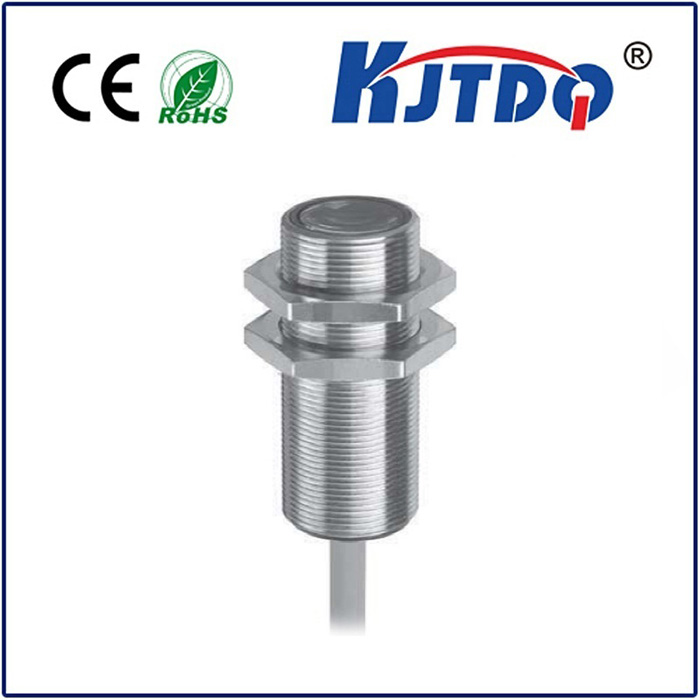
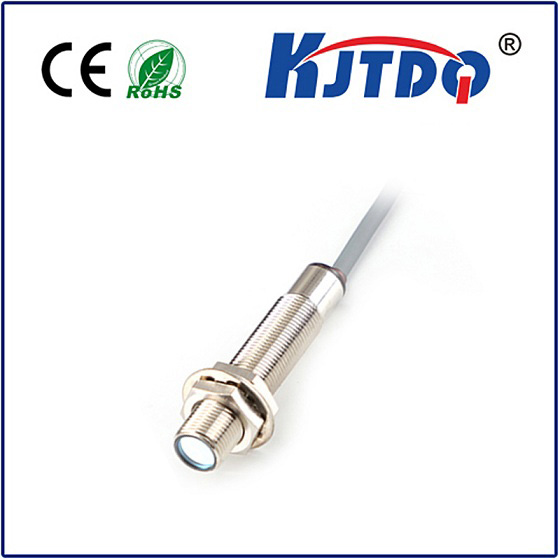
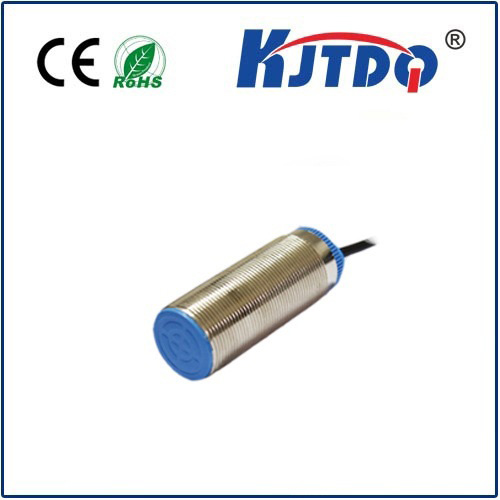
The KJTDQ series of metal detection inductive sensors embodies a significant leap forward in this technology. Engineered for robustness and high performance, these sensors are built to withstand challenging industrial environments. They feature enhanced sensing ranges, allowing for greater flexibility in machine design and object positioning. Their housing is often constructed from materials like nickel-plated brass or stainless steel, offering excellent resistance to chemicals, oils, and physical impacts. Furthermore, many models in the KJTDQ line incorporate advanced features such as short-circuit protection, reverse polarity protection, and immunity to electromagnetic interference (EMI), ensuring stable operation even in electrically noisy plants.
The applications for KJTDQ inductive sensors are vast and varied across different sectors. In automotive assembly lines, they are indispensable for part verification, ensuring that components like pistons, bolts, or bearings are correctly positioned before critical assembly steps. Within the packaging industry, these sensors detect metal lids, foils, or contaminants on high-speed conveyor belts, safeguarding product purity. In material handling and logistics, they are used for pallet detection, conveyor belt sequencing, and controlling robotic arms that handle metallic parts. The food and pharmaceutical industries also rely on specialized, hygienic versions of these sensors to detect metal fragments in products, a crucial step for consumer safety and regulatory compliance.
Choosing the KJTDQ series offers distinct advantages that translate directly into operational efficiency and cost savings. Their high switching frequency enables them to detect objects on very fast-moving production lines without missing a beat. The non-contact nature means virtually infinite operational life, as there are no moving parts to fail. This drastically reduces maintenance downtime and replacement costs. Their precision ensures fewer false readings and production errors, leading to higher quality output and less material waste. Additionally, their rugged design minimizes failures due to environmental factors, contributing to overall system uptime and reliability.
When selecting a KJTDQ metal detection inductive sensor for a specific task, several key parameters must be considered. The sensing distance, which varies by model and target metal type, is primary. The size and material of the target object also influence performance; for instance, ferrous metals like steel are typically detected at longer ranges than non-ferrous metals like aluminum or copper. Environmental conditions such as temperature extremes, presence of cutting fluids, or washdown requirements dictate the needed ingress protection (IP) rating. Finally, the electrical output type (e.g., NPN or PNP, NO or NC) must be compatible with the existing control system, such as a PLC.
In conclusion, the role of metal detection inductive sensors as the "eyes" of automated machinery is more critical than ever. The KJTDQ series represents a sophisticated, reliable, and versatile solution that addresses the core needs of modern manufacturing: precision detection, durability, and seamless integration. By implementing such advanced sensing technology, industries can achieve new levels of productivity, safety, and quality control, ensuring they remain competitive in a fast-paced global market. Investing in reliable components like the KJTDQ sensor is an investment in the smooth and profitable operation of the entire production ecosystem.