check

check

check

check

check

check
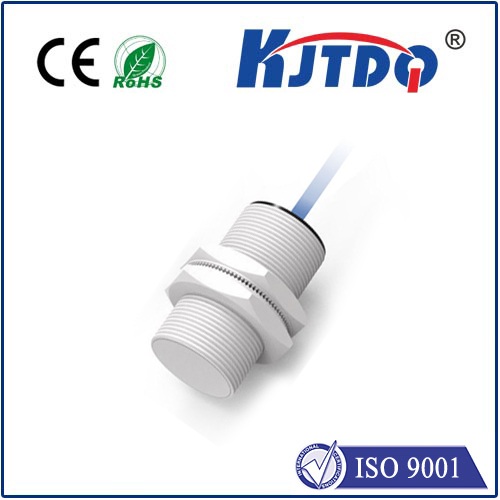
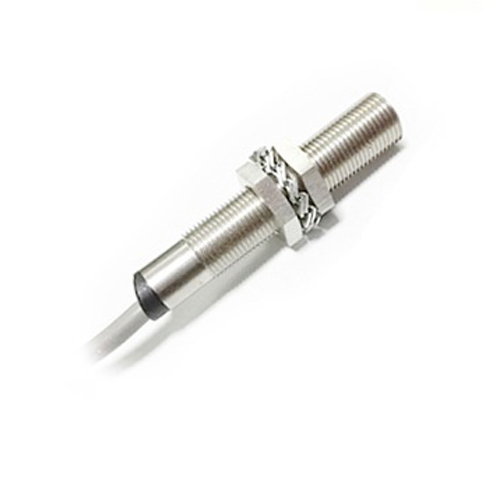
In the world of industrial automation and smart device design, the need for reliable, non-contact sensing is paramount. Among the various technologies available, the capacitive proximity sensor stands out for its versatility and precision. Unlike inductive sensors that only detect metals, capacitive sensors can detect a wide range of materials, including liquids, plastics, wood, and even granular substances through non-metallic containers. This makes the KJTDQ series of capacitive sensors an indispensable tool for countless applications.
The fundamental principle behind a capacitive proximity sensor is the change in capacitance. The sensor forms one plate of a capacitor, with the target object acting as the other plate. When the object enters the sensor's electromagnetic field, it alters the dielectric constant and thus the capacitance. The sensor's internal oscillator detects this change, triggering a switch in its output signal. This elegant principle allows for detection without any physical contact, eliminating wear and tear and enabling operation in harsh environments where contamination or physical impact is a concern.
The applications for capacitive sensors like the KJTDQ are vast and varied. In packaging lines, they reliably detect the presence of plastic bottles or glass containers on a conveyor belt, ensuring proper filling and capping. In the food and beverage industry, they are used for liquid level control in tanks, even when those tanks are made of plastic or fiberglass. They can sense the presence of glue or adhesive beads, monitor the fill level of boxes with granular materials like cereal or powder, and act as touch-sensitive interfaces in modern human-machine interfaces (HMIs). Their ability to see through certain non-conductive materials allows for hidden, yet highly functional, integration into product designs.
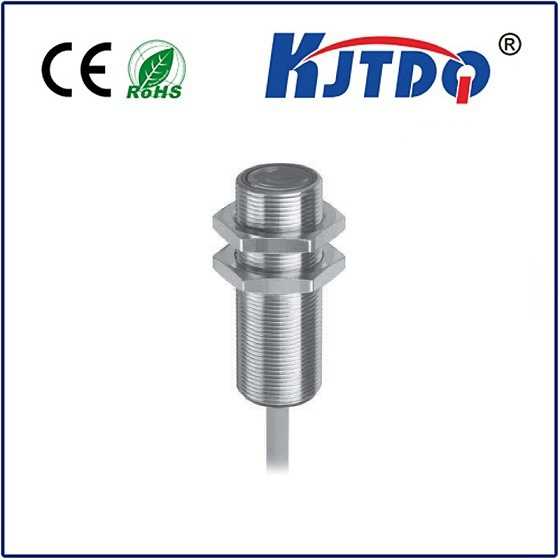
Choosing the right capacitive sensor involves considering several key specifications. The sensing range is crucial; while typically shorter than ultrasonic sensors, modern capacitive sensors offer sufficient range for most proximity tasks. The KJTDQ series, for instance, provides stable and adjustable sensing distances. The response frequency dictates how quickly the sensor can detect objects passing by, which is vital for high-speed production lines. Environmental factors are also critical. Many KJTDQ models feature robust housings with high IP ratings, making them resistant to dust, water, and even chemical splashes, ensuring longevity in challenging industrial settings.
One of the standout features of advanced capacitive sensors is their adjustability. Most models come with a potentiometer or teach-in function. This allows technicians to fine-tune the sensitivity on-site. By setting the sensor to a specific threshold, it can ignore background interference—like a conveyor belt or a container wall—and focus solely on the target material. This flexibility is a key reason for their widespread adoption. Furthermore, output options (like NPN, PNP, or analog 4-20mA) and form factors (barrel-style or rectangular) provide design engineers with the flexibility to integrate them into virtually any system.
Looking ahead, the integration of capacitive sensing with IoT and Industry 4.0 platforms is the next frontier. Smart capacitive sensors can now provide diagnostic data, predict maintenance needs, and communicate directly with control systems, contributing to smarter, more efficient factories. The underlying technology of the capacitive proximity sensor, exemplified by the reliable KJTDQ series, remains a cornerstone of automated sensing. Its unique combination of material versatility, environmental robustness, and configurable sensitivity ensures it will continue to be the go-to solution for engineers seeking a non-contact, reliable, and intelligent detection method for years to come.