check

check

check

check

check

check
In the high-stakes world of modern manufacturing, the injection molding process stands as a cornerstone for producing everything from intricate automotive components to everyday consumer goods. At the heart of ensuring this process runs with flawless efficiency and pinpoint accuracy lies a seemingly small but critically important component: the proximity sensor. Specifically designed for the harsh environment of injection molding machines, these sensors are the unsung heroes of automation, playing a pivotal role in enhancing productivity, ensuring safety, and guaranteeing consistent product quality.
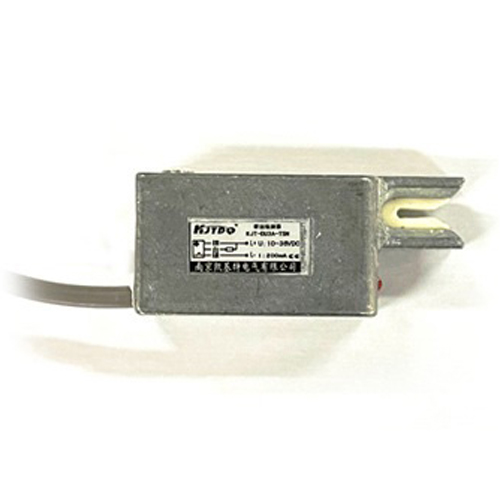
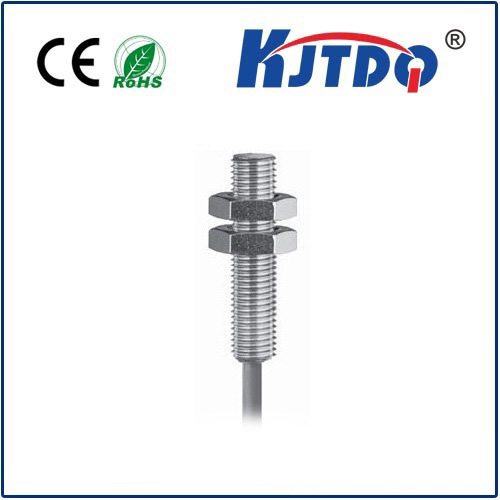
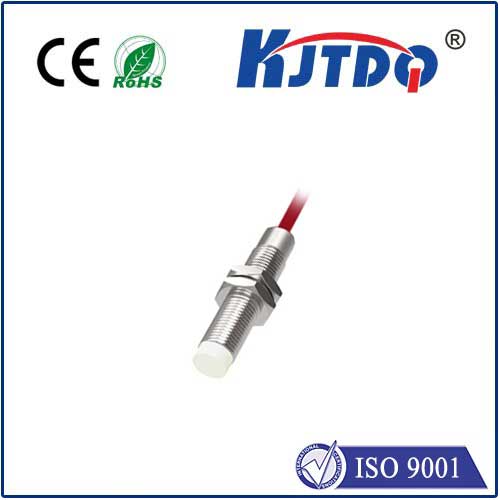
Unlike traditional mechanical limit switches, a proximity sensor for an injection molding machine operates on a non-contact principle. It detects the presence or absence of a metallic target—such as the mold platen, ejector pins, or robot end-effector—without any physical touch. This fundamental characteristic eliminates mechanical wear and tear, dramatically increasing the sensor's lifespan and reliability. In an injection molding cycle, where sequences are repeated thousands of times a day, this durability is not just a benefit; it is a necessity to minimize downtime and maintenance costs. The most common types used are inductive proximity sensors, prized for their robustness in detecting ferrous metals amidst the typical oil, dust, and high-vibration conditions found on the shop floor.
The applications within the injection molding cycle are diverse and vital. One primary function is mold protection and position verification. Sensors are strategically mounted to confirm that the mold is fully closed and securely locked before the high-pressure injection phase begins. This prevents catastrophic and expensive damage to the mold tooling. Similarly, sensors monitor the position of ejector plates, ensuring that finished parts are fully ejected before the mold closes for the next cycle. This prevents crushing defects and potential mold damage. Furthermore, in automated systems, these sensors provide crucial feedback for robotic part removal, gating mechanisms, and insert loading, creating a seamless and synchronized production flow.
The integration of high-quality proximity sensors directly translates to superior product quality. By providing repeatable and precise positional feedback, they ensure every cycle is identical. This consistency is paramount for holding tight tolerances on part dimensions, weight, and appearance. Any variance in mold closure position or ejection timing can lead to flash, short shots, or dimensional inaccuracies. The sensor acts as the vigilant guard, ensuring the machine operates within its precise parameters every single time. This level of control reduces scrap rates, saves on material costs, and ensures that every part leaving the machine meets the strictest quality standards.
When selecting a proximity sensor for an injection molding machine, several technical specifications demand careful consideration. The sensing distance, or range, must be appropriate for the application, with a suitable safety margin built-in to account for machine tolerances and thermal expansion. The housing material is equally critical; sensors with stainless steel or nickel-plated brass housings offer superior resistance to coolants, mold release agents, and physical impact. The electrical output type (PNP/NPN) and connection style must be compatible with the machine's programmable logic controller (PLC). Perhaps most importantly, the sensor must be rated for the environmental conditions, including temperature extremes and exposure to oils and chemicals.
Beyond basic detection, advanced sensor technologies are pushing the boundaries. Analog output sensors provide continuous position feedback, enabling more sophisticated control strategies. Sensors with IO-Link capability offer digital communication, allowing for remote parameter setting, condition monitoring, and predictive maintenance alerts. This smart functionality helps plant managers move from reactive to proactive maintenance, scheduling sensor checks or replacements before a failure can halt production. This evolution turns the proximity sensor from a simple switch into an intelligent node in the Industrial Internet of Things (IIoT) ecosystem.
In conclusion, the proximity sensor is far more than a minor accessory on an injection molding machine. It is a fundamental enabler of precision, reliability, and automation. By ensuring accurate positional control, protecting valuable assets, and enabling seamless automated sequences, these robust devices contribute directly to higher throughput, lower operational costs, and impeccable product quality. For any operation seeking to optimize its injection molding performance, investing in the right proximity sensor technology is a decision that pays continuous dividends in efficiency and competitiveness.