check

check

check

check

check

check
In the intricate world of industrial automation, precision, reliability, and efficiency are non-negotiable. At the heart of maintaining these standards lies a critical component: the proximity sensor. Specifically engineered for process control applications, this technology serves as the silent sentinel of modern manufacturing, ensuring seamless operations, enhancing safety, and optimizing productivity without direct physical contact.
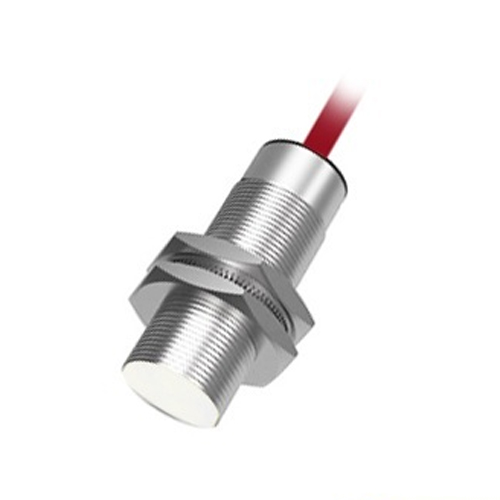
Unlike traditional mechanical switches, a proximity sensor for process control detects the presence or absence of an object within its sensing range through electromagnetic fields, light, or sound. This non-contact detection is its fundamental advantage. It eliminates wear and tear associated with physical touch, dramatically increasing the sensor's lifespan and reducing maintenance downtime. In environments where hygiene is paramount, such as food and beverage or pharmaceutical production, the absence of contact prevents contamination. In harsh settings with excessive dust, moisture, or extreme temperatures, sealed proximity sensors provide unwavering reliability where mechanical devices would fail.
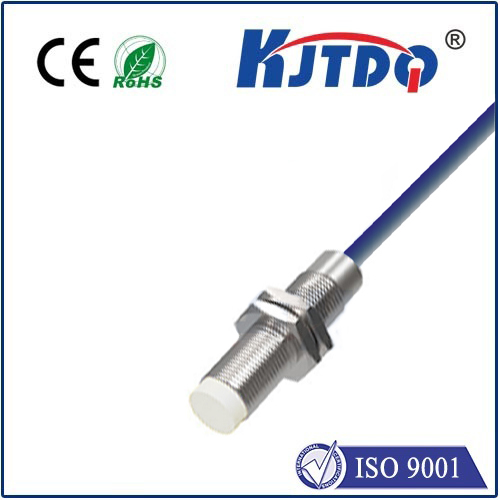
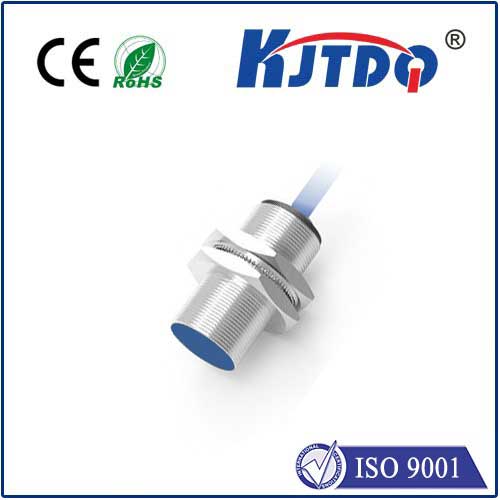
The role of these sensors in process control systems is multifaceted. They are pivotal for precise positioning and sequencing on assembly lines. For instance, in automotive manufacturing, inductive proximity sensors accurately detect metal components, ensuring robotic arms weld or assemble parts at the exact correct moment. In packaging lines, capacitive sensors can detect non-metallic materials like plastic bottles or cardboard boxes, triggering filling, capping, or labeling operations. This precise detection is the cornerstone of Just-In-Time manufacturing, minimizing waste and maximizing throughput.
Beyond simple detection, advanced proximity sensors contribute directly to quality control. By verifying the presence of a crucial component, such as a seal on a container or a chip on a circuit board, they prevent defective products from proceeding down the line. This real-time monitoring is integral to statistical process control (SPC), allowing for immediate corrective actions and ensuring consistent product quality. Furthermore, in safety-critical applications, these sensors act as interlock devices. They can confirm that a safety guard is in place or that a machine door is securely closed before initiating a dangerous process, protecting both personnel and equipment.
The integration of modern proximity sensors with Industrial Internet of Things (IIoT) frameworks marks a significant evolution. Smart sensors equipped with IO-Link or other communication protocols do more than just send an on/off signal. They can transmit diagnostic data, such as operating temperature, signal strength, or even predictive maintenance alerts. This data empowers plant managers to shift from reactive to predictive maintenance schedules, foreseeing potential sensor failures before they cause unplanned stoppages. This connectivity transforms raw detection data into actionable intelligence, feeding into larger Manufacturing Execution Systems (MES) for holistic process optimization.
Selecting the right proximity sensor for a specific process control task requires careful consideration. Key factors include the sensing distance required, the material of the target object (metal, plastic, liquid), the environmental conditions (IP rating for dust and water ingress), and the required output type (PNP/NPN, analog, or digital). Inductive sensors are ideal for metals, capacitive sensors for non-metals and liquids, and ultrasonic sensors for applications requiring longer ranges or level detection. Consulting with a technical specialist is often essential to match the sensor's specifications with the application's exact demands.
In conclusion, the proximity sensor is far more than a simple switch. It is an intelligent, durable, and versatile enabler of modern process control. From ensuring the meticulous precision of high-speed assembly to safeguarding human operators and enabling the data-driven factories of Industry 4.0, its impact is profound. As processes become more complex and the demand for efficiency grows, the evolution of proximity sensing technology will continue to be a key driver in shaping smarter, safer, and more responsive industrial landscapes.