check

check

check

check

check

check
In the dynamic landscape of modern manufacturing, the pursuit of peak efficiency, unwavering reliability, and stringent safety standards is relentless. At the heart of this industrial evolution lies a critical component often operating unseen: the inductive sensor. Specifically engineered for the rigors of factory automation, these robust devices have become indispensable for countless applications, from assembly lines to robotic cells. This article delves into the core functionality, key advantages, and transformative applications of inductive sensors in automated industrial environments.
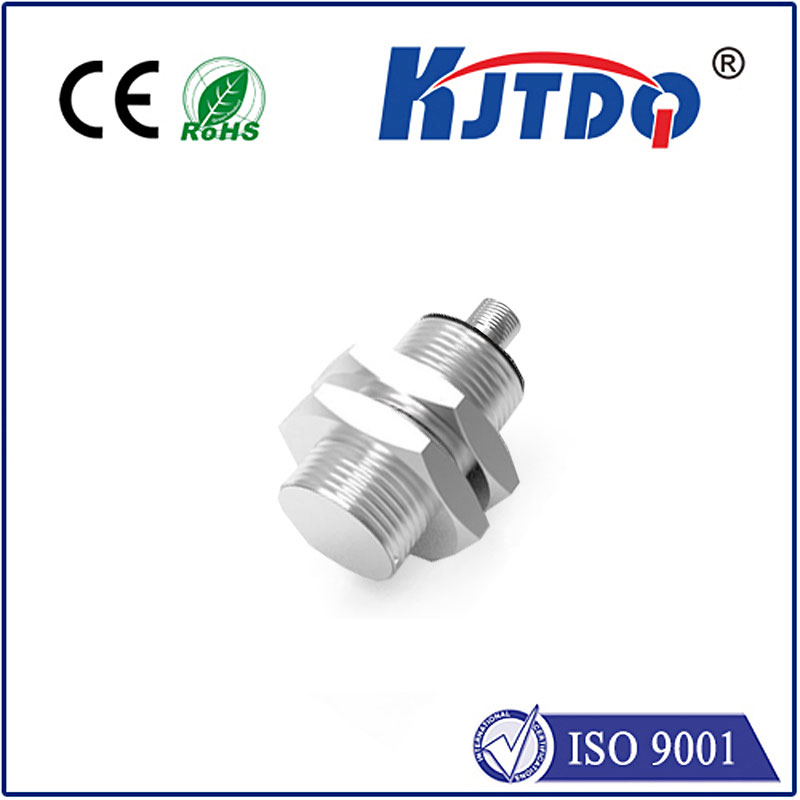
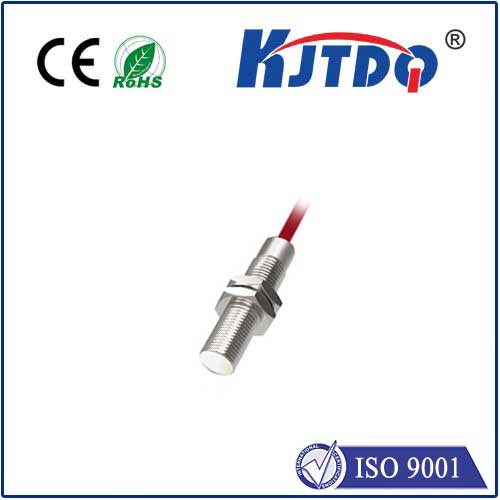
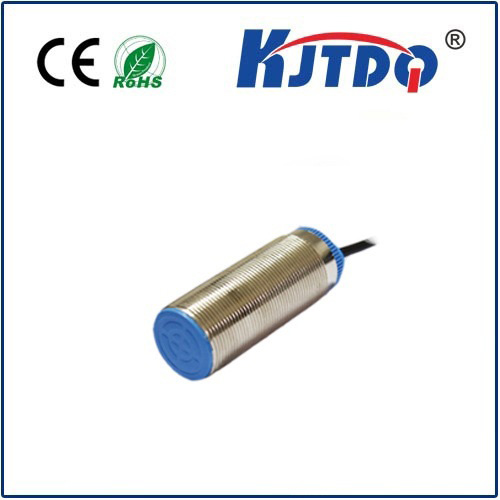
An inductive sensor is a type of proximity sensor that detects the presence or absence of metallic objects without any physical contact. Its operation is elegantly simple, rooted in electromagnetic principles. The sensor generates a high-frequency oscillating electromagnetic field via a coil in its sensing face. When a ferrous or non-ferrous metal target enters this field, eddy currents are induced on the metal's surface. This interaction dampens the oscillation's amplitude, which is detected by the sensor's internal circuitry, triggering a solid-state switch to change its output state. This non-contact detection method is the cornerstone of its durability and precision.
The adoption of inductive sensors in factory automation is driven by a compelling array of benefits that directly address industrial pain points. Foremost is their exceptional reliability and longevity. With no moving parts to wear out and a hermetically sealed design, they are immune to dust, dirt, oil, and coolant splashes, thriving in harsh conditions where mechanical switches would rapidly fail. This translates to dramatically reduced maintenance costs and minimized unplanned downtime, a critical factor for continuous production.
Precision and speed are another hallmark. Modern inductive sensors offer high switching frequencies and repeat accuracy in the micrometer range, enabling precise positioning control of machine parts, tool changers, and actuators. They can detect tiny components at high speeds, essential for fast-paced packaging, sorting, and pick-and-place operations. Furthermore, their inherent design provides inherent safety benefits. The non-contact nature eliminates issues like mechanical wear, bouncing contacts, and sparking, making them ideal for explosive or wet environments. They also contribute to machine safety by reliably confirming the position of guards, doors, and safety interlocks.
The versatility of inductive sensors is showcased across the entire manufacturing spectrum. In material handling, they are used for pallet detection, conveyor belt jam prevention, and counting metallic items. On CNC machining centers, they verify tool presence, monitor spindle position, and detect workpiece clamping. In robotics, they provide end-of-arm tooling confirmation and ensure accurate positioning for welding or assembly tasks. They are fundamental in automated stamping presses for part ejection verification and in automotive plants for cylinder position sensing and robot guidance.
When selecting an inductive sensor for a specific automation task, several technical parameters require careful consideration. The sensing range, typically a few millimeters to tens of millimeters, must be appropriate for the application. The choice between shielded (flush-mountable) and unshielded models is crucial for installation in metal surroundings. Output type (PNP/NPN, NO/NC) must match the control system's PLC input card. Environmental ratings, particularly the IP (Ingress Protection) and IK (Impact Protection) codes, ensure the sensor can withstand its operational environment's dust, moisture, and mechanical stress.
Looking ahead, the integration of smart features and Industry 4.0 connectivity is shaping the next generation of inductive sensors. Sensors with IO-Link communication capability can transmit not just a simple on/off signal but also detailed diagnostic data like operating temperature, switch cycle count, and signal strength to higher-level control systems. This enables predictive maintenance, where potential failures can be anticipated and addressed before they cause stoppages, further optimizing plant efficiency and moving towards truly intelligent, data-driven manufacturing.
In conclusion, the inductive sensor is far more than a simple switch; it is a vital sensory organ for the automated factory. Its robustness, precision, and non-contact operation provide the foundational feedback necessary for reliable, efficient, and safe production processes. As automation grows more sophisticated, the role of these sensors will only expand, solidifying their status as a key enabler of modern industrial productivity and innovation. Investing in the right inductive sensor technology is a strategic step toward building a more resilient and competitive manufacturing operation.