check

check

check

check

check

check
In the demanding world of industrial automation, reliability is paramount. Sensors, the eyes and hands of a system, must perform flawlessly under extreme conditions. Among the various sensing technologies available, the unshielded inductive sensor stands out for its unique combination of durability, simplicity, and cost-effectiveness. This article delves into the core principles, distinct advantages, and critical applications of unshielded inductive sensors, explaining why they remain a cornerstone technology for engineers and system integrators.
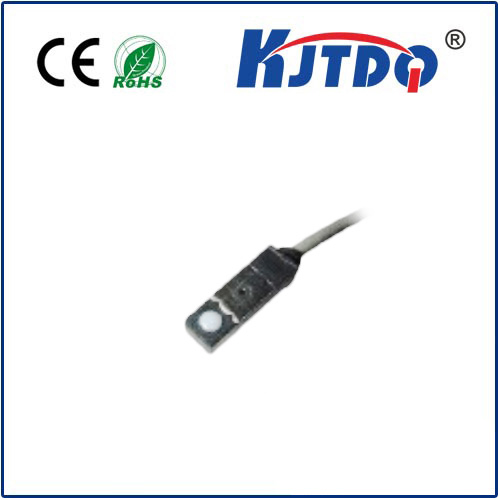
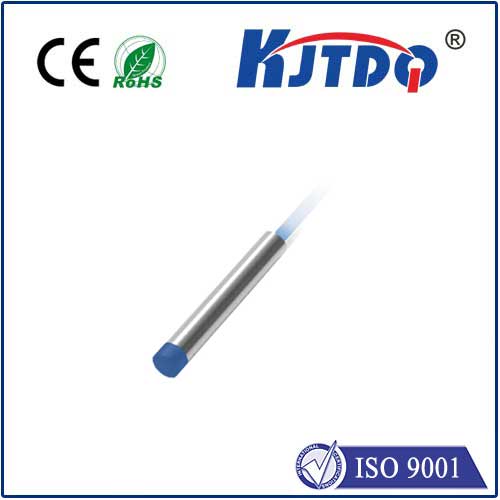
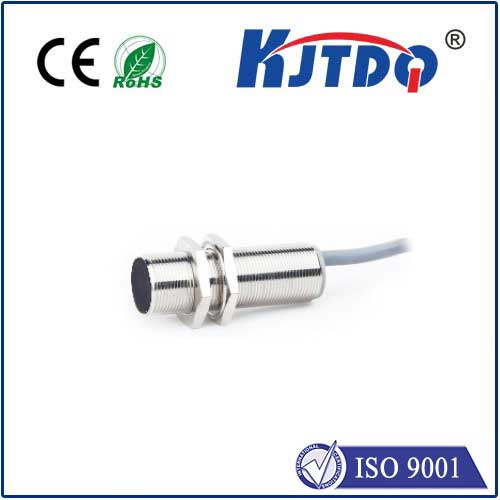
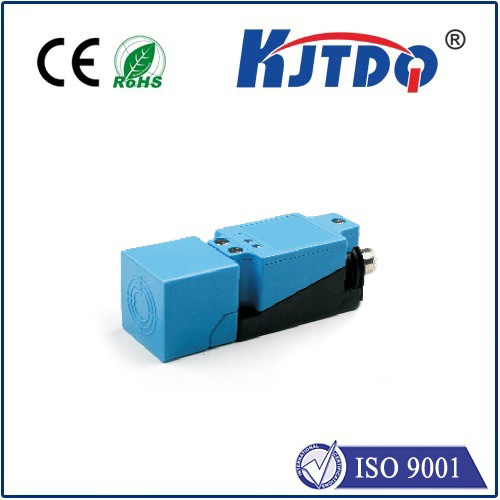
At its heart, an unshielded inductive sensor operates on the principle of electromagnetic induction. It generates a high-frequency oscillating electromagnetic field from its active face. When a metallic target enters this field, eddy currents are induced within the target. These currents absorb energy from the oscillator, causing a detectable change in the oscillation amplitude. The sensor's electronics detect this change and trigger a solid-state switching output. The key differentiator from its shielded counterpart is the absence of a metal ring or shield surrounding the sensor's coil. This design allows the electromagnetic field to extend laterally from the active face, resulting in a significantly larger sensing range for a given sensor diameter.
This characteristic brings forth the primary advantage of unshielded inductive sensors: an extended sensing distance. For applications where precise positioning is less critical than reliable detection, this longer range offers greater installation flexibility and tolerance for mechanical misalignment. It allows sensors to be mounted further from the target, providing a safety buffer against potential physical damage from moving parts. Furthermore, the design simplicity often translates to a more robust mechanical construction and lower unit cost compared to shielded models. They are typically less susceptible to physical damage from side impacts due to the lack of a protruding shield.
However, this very strength dictates their ideal use case. The unshielded sensor's field projects not only forward but also to the sides. This makes it susceptible to interference from adjacent metallic objects, machinery frames, or even mounting brackets. Therefore, they are not suitable for flush mounting in metal. Proper installation requires maintaining a clear non-metallic zone around the sensor's sides, as specified by the manufacturer's datasheet. This requirement is crucial for preventing false triggers and ensuring stable operation.
The practical applications for unshielded inductive sensors are vast, particularly in harsh environments. They excel in areas where dirt, dust, coolants, and vibrations are present. Common uses include:
* Position Detection on Conveyors: Detecting the presence of metal parts, trays, or carriers on assembly or packaging lines, even with some variation in position.
* Limit Switching in Machinery: Serving as robust end-of-travel or over-travel limit switches in hydraulic cylinders, actuators, and heavy machinery.
* Rough Position Feedback: Monitoring the open/closed status of large metal doors, hatches, or guards where precise sensing is unnecessary.
* Basic Counting Tasks: Tallying metal objects on a production line where side interference can be easily managed through mounting design.
When selecting an unshielded inductive sensor, key specifications beyond sensing range must be considered. The housing material, typically stainless steel, brass, or PBT plastic, must withstand the chemical and physical environment. Ingress Protection (IP) ratings are critical; look for ratings like IP67 or IP69K for washdown or outdoor applications. The output type (PNP/NPN, NO/NC) must match the control system's PLC input card. Operating voltage ranges and temperature tolerances are also vital for system compatibility and longevity.
Maintenance is generally minimal, but periodic checks are advised. Technicians should verify the mounting integrity, ensure the sensing face remains clean of metallic debris or heavy buildup, and confirm that the required lateral clearance is maintained. A simple test with a target metal piece can verify operational health.
In conclusion, the unshielded inductive sensor is a workhorse of industrial sensing. Its extended range, ruggedness, and economic value make it an indispensable tool for non-precision detection of metallic objects in challenging settings. By understanding its operating principle—specifically the unshielded field characteristic—engineers can effectively deploy these sensors, avoiding installation pitfalls related to side interference. For applications demanding reliable detection in the presence of vibration, contaminants, and mechanical stress, the unshielded inductive sensor, like the KJTDQ series, provides a proven and powerful solution that balances performance with practical engineering needs.