check

check

check

check

check

check
In the dynamic landscape of modern industry, the relentless pursuit of operational efficiency and safety has become paramount. At the heart of this drive lies advanced sensor technology, with the proximity sensor emerging as a critical component for sophisticated equipment monitoring. These non-contact devices are fundamentally transforming how industries manage their assets, predict maintenance needs, and prevent costly downtime.
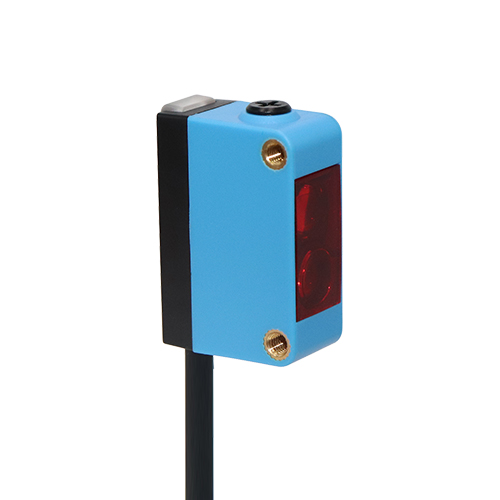
A proximity sensor is an electronic device designed to detect the presence or absence of nearby objects without any physical contact. It operates by emitting an electromagnetic field or a beam of electromagnetic radiation, typically infrared light, and then monitoring for changes in the field or the return signal. When a target object enters the sensor's detection range, it disturbs this field, prompting the sensor to send an electrical signal to a connected control system. This simple yet powerful principle enables a vast array of monitoring applications, from counting parts on a conveyor belt to ensuring a robotic arm is in its correct home position.
The application of proximity sensors in equipment monitoring is vast and multifaceted. In manufacturing, they are indispensable for position verification. For instance, on automated assembly lines, sensors confirm that components are correctly aligned before a welding or riveting operation commences, preventing defective products and machine collisions. In the realm of predictive maintenance, their role is even more profound. By continuously monitoring the position and vibration of rotating machinery like motors, pumps, and fans, these sensors can detect minute deviations—such as shaft displacement or bearing wear—long before a catastrophic failure occurs. This allows maintenance teams to schedule repairs during planned shutdowns, avoiding unplanned outages that can cost thousands of dollars per minute.
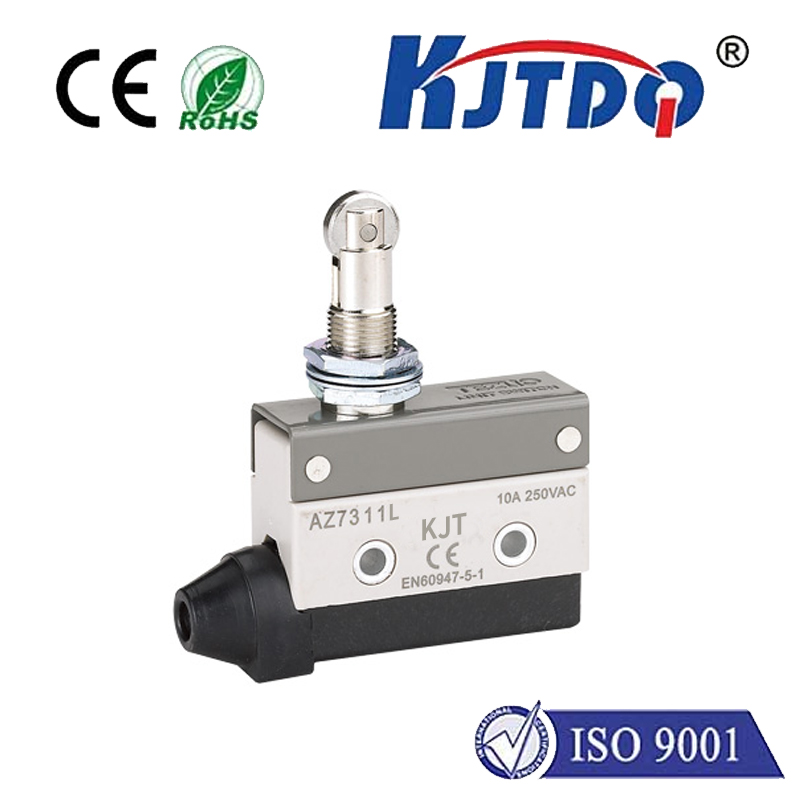
Furthermore, proximity sensors are crucial for safety interlocking. On heavy machinery, press brakes, or robotic work cells, sensors create invisible safety curtains or zones. If a worker inadvertently steps into a hazardous area, the sensor immediately detects the intrusion and sends a signal to halt the machine, thereby preventing potential injuries. This non-contact nature makes them more reliable and durable than traditional mechanical limit switches, which are prone to wear and tear.
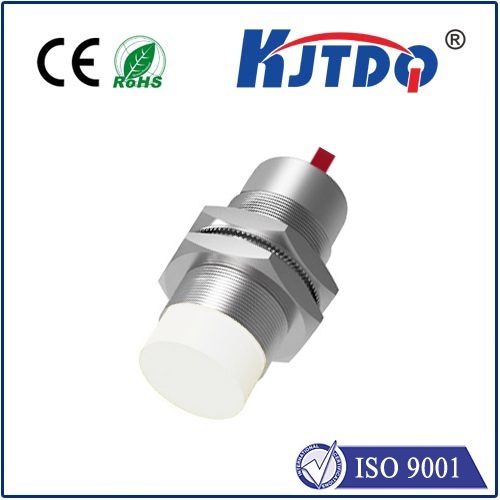
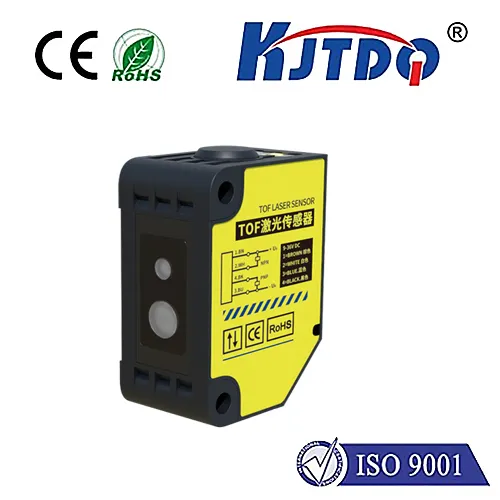
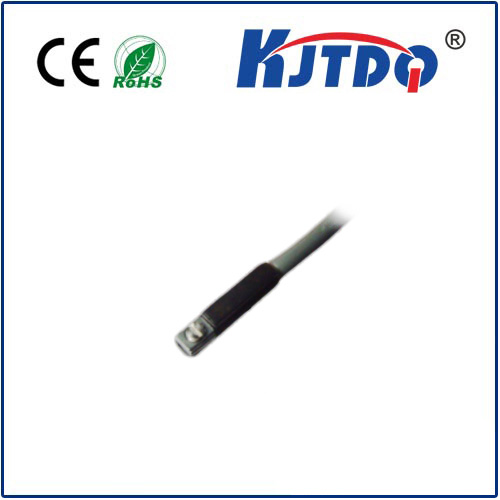
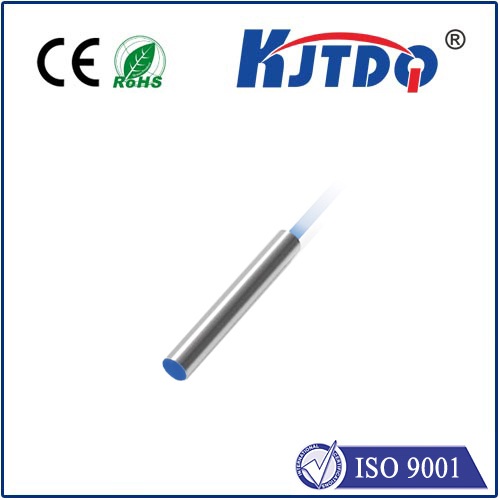
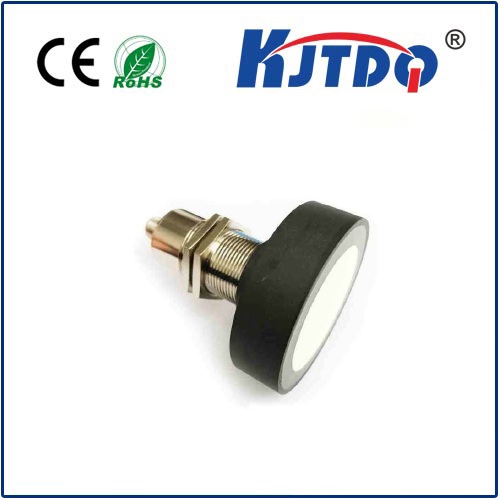
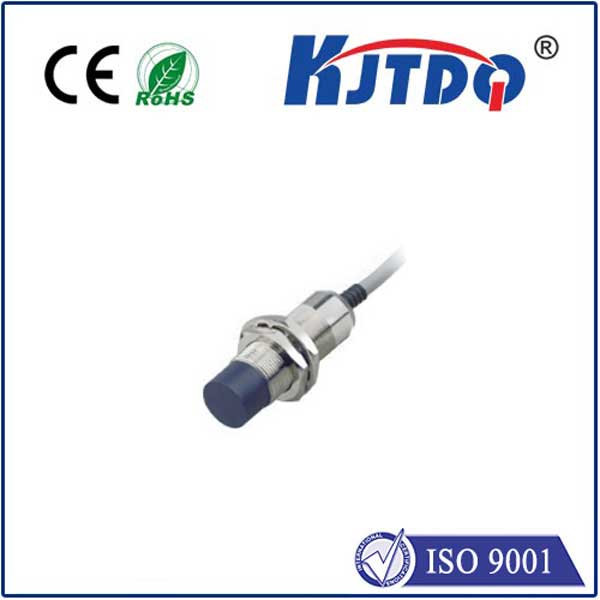
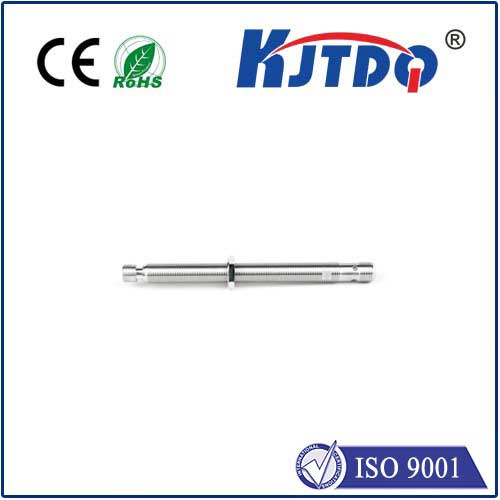
The benefits of integrating high-quality proximity sensors like the KJTDQ series into equipment monitoring systems are substantial. First and foremost is the significant reduction in unplanned downtime. By providing real-time, accurate data on equipment status, these sensors enable a shift from reactive to proactive and predictive maintenance strategies. This translates directly to lower maintenance costs, extended equipment lifespan, and higher overall equipment effectiveness (OEE). Enhanced safety is another undeniable advantage, protecting both personnel and capital investments. Additionally, the data collected by these sensors can be fed into centralized control systems or Industrial Internet of Things (IIoT) platforms, providing valuable insights for process optimization and strategic planning.
When selecting a proximity sensor for equipment monitoring, several key specifications must be considered. The sensing range, or the maximum distance at which the sensor can reliably detect a standard target, is primary. The type of target material (metal, plastic, liquid) will determine whether an inductive, capacitive, or photoelectric sensor is most appropriate. Environmental factors such as temperature extremes, humidity, and exposure to chemicals or washdowns demand sensors with robust housing and high ingress protection (IP) ratings. Finally, the output type (e.g., NPN, PNP, analog, or IO-Link) must be compatible with the existing control architecture.
The evolution of sensor technology continues, with modern proximity sensors offering smarter features. Sensors with IO-Link communication, for example, go beyond simple on/off switching. They can transmit detailed diagnostic data, such as internal temperature, signal strength, and operating hours, and even allow for remote parameter adjustment. This level of intelligence is pivotal for advanced condition monitoring and Industry 4.0 initiatives.
In conclusion, the strategic deployment of proximity sensors for equipment monitoring is no longer a luxury but a necessity for competitive and safe industrial operations. Solutions like the KJTDQ series represent the forefront of this technology, offering reliability, precision, and intelligence. By converting physical parameters into actionable data, they empower businesses to achieve unprecedented levels of control, efficiency, and safety, ensuring that machinery operates not just harder, but smarter. Investing in such robust monitoring systems is a definitive step towards building a more resilient, productive, and future-ready industrial enterprise.