check

check

check

check

check

check
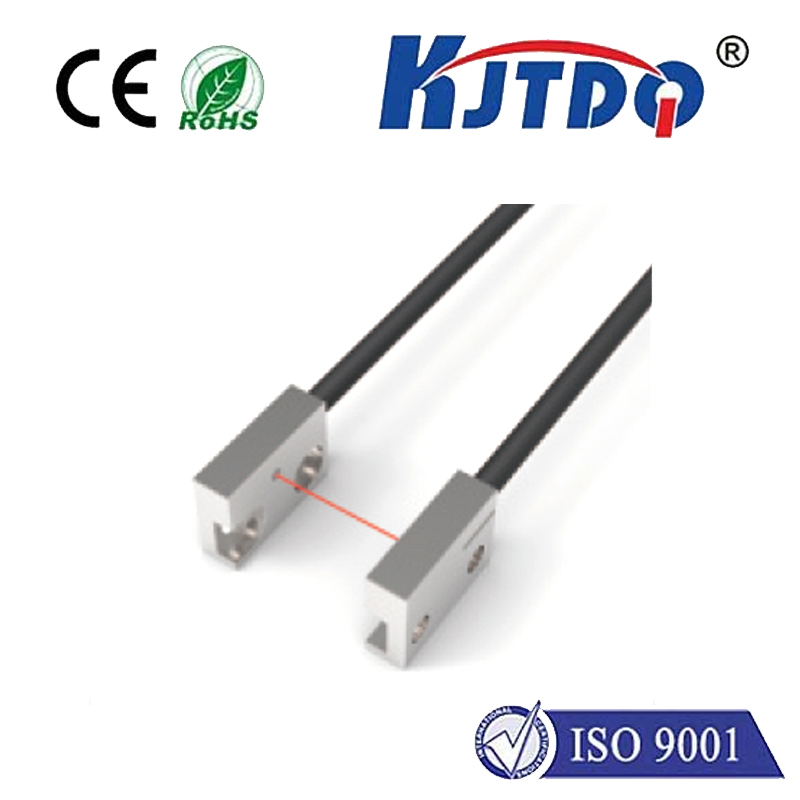
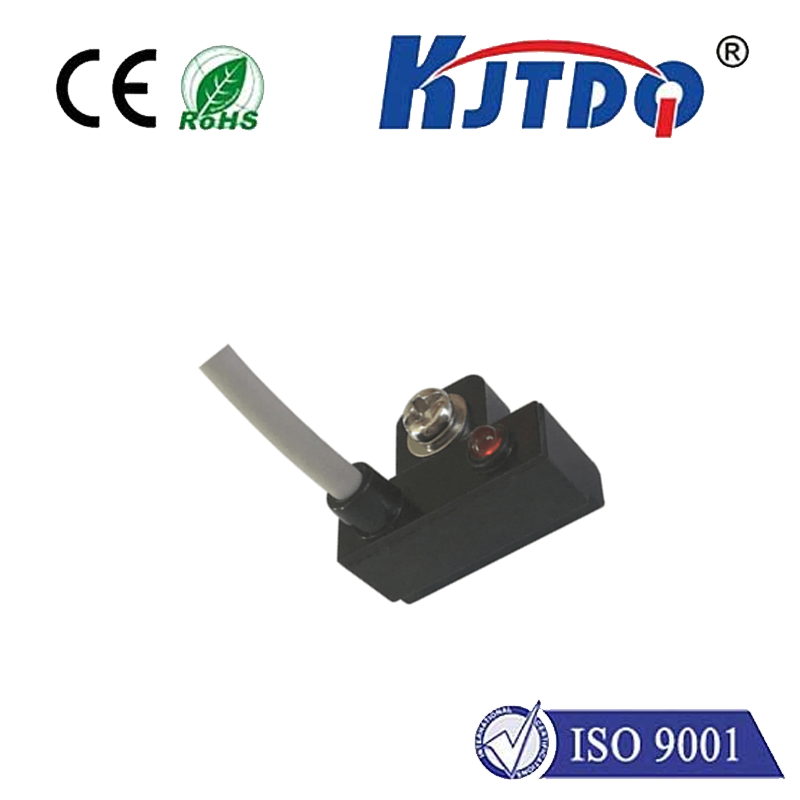
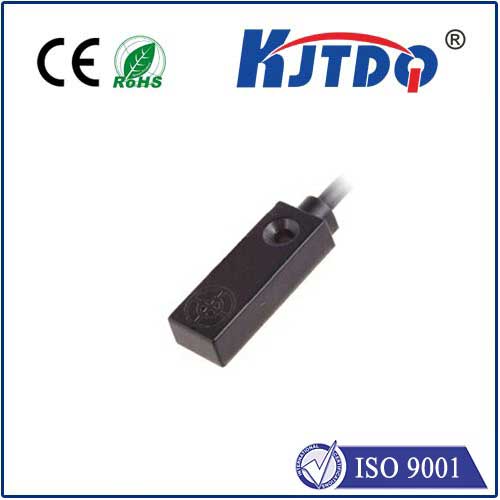
In the fast-paced world of plastic manufacturing, precision, reliability, and efficiency are non-negotiable. At the heart of many automated plastic processing systems lies a critical component: the proximity sensor. Specifically designed for the demanding environments of plastic machinery, these sensors play a pivotal role in ensuring smooth operation, minimizing downtime, and maintaining consistent product quality. Unlike traditional mechanical switches, proximity sensors for plastic machines offer non-contact detection, making them ideal for monitoring the position of molds, ejector pins, robotic arms, and material levels without physical wear and tear.
The operational principle of these sensors is based on generating an electromagnetic field. When a metallic target, such as a mold plate or a machine part, enters this field, it causes a change in the oscillation amplitude. This change is detected by the sensor's circuit, which then triggers a switching signal. This entire process happens without any physical contact, eliminating friction and mechanical failure points. For plastic injection molding machines, this technology is indispensable. Sensors can accurately detect the open and closed positions of the mold, ensuring precise clamping force and timing for the injection cycle. In blow molding or extrusion lines, they monitor parison length or sheet position, contributing to dimensional accuracy.
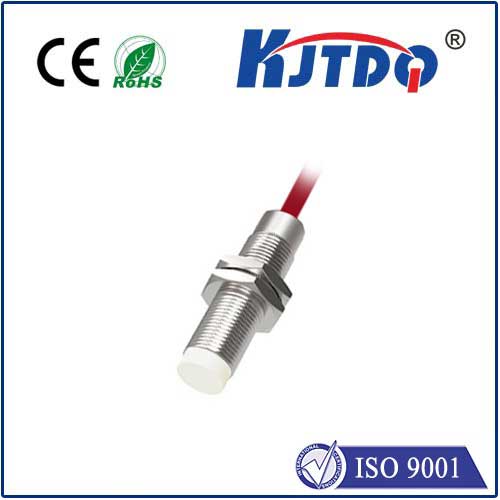
Selecting the right proximity sensor for a plastic machine involves several key considerations. The harsh factory environment demands sensors with robust housing, typically made from stainless steel or nickel-plated brass, to resist impacts, coolants, and plastic additives. Ingress Protection (IP) ratings, such as IP67 or IP69K, are crucial to safeguard against dust and high-pressure washdowns common in clean-in-place procedures. The sensing range must be appropriate for the application, and factors like temperature stability are vital as plastic processing often involves significant heat. Furthermore, the output type—whether NPN, PNP, or analog—must be compatible with the machine's programmable logic controller (PLC).
The benefits of integrating high-quality proximity sensors are substantial. They significantly enhance operational safety by providing reliable machine status feedback, preventing accidental cycles if a guard door is open or a mold is misaligned. From an efficiency standpoint, they enable faster cycle times through rapid and accurate detection, directly boosting throughput. Their non-contact nature translates to virtually zero maintenance, reducing long-term operational costs and preventing production halts due to sensor failure. This reliability is paramount for achieving lean manufacturing goals and minimizing waste in material and energy.
Modern advancements have led to the development of specialized sensors for unique challenges in plastic processing. For instance, sensors with increased switching frequency can keep up with high-speed robotic pick-and-place operations. All-plastic body sensors are available for applications where metal detection might interfere with the process or where extreme chemical resistance is needed. The integration of IO-Link communication allows for advanced diagnostics, enabling predictive maintenance by monitoring parameters like switch counts or temperature drift, sending alerts before a potential failure occurs.
Implementation best practices are straightforward but essential. Proper mounting is critical; sensors should be securely installed to avoid vibration-induced misalignment. Adequate shielding or proper cable routing is necessary to prevent electromagnetic interference from motors or frequency drives. Regular, simple checks as part of a preventive maintenance schedule can verify sensing distance and output signal integrity. Training maintenance personnel on the specific sensor models used ensures quick troubleshooting and replacement if needed.
In conclusion, the proximity sensor is far more than a simple switch in a plastic machine. It is a sophisticated, reliable sentinel that guards the precision and productivity of the entire manufacturing process. By enabling non-contact, wear-free detection of critical machine positions and components, these sensors form the backbone of modern, automated plastic production. Investing in the correct type of sensor—considering environmental factors, material compatibility, and required performance—delivers a clear return on investment through enhanced safety, reduced downtime, superior product consistency, and optimized operational efficiency. As plastic manufacturing continues to evolve towards smarter, more connected Industry 4.0 systems, the role of the intelligent proximity sensor will only become more central and transformative.