check

check

check

check

check

check
Walk through any modern manufacturing plant, and you'll witness a symphony of motion. Conveyor belts glide, robotic arms dance with precision, and assembly lines hum with efficiency. Beneath this visible orchestration lies a critical layer of sensing technology, ensuring every component is in the right place at the right time. Among these silent sentinels, the industrial inductive switch stands out as a fundamental and remarkably reliable workhorse. Unlike its optical or capacitive counterparts, this device operates on a simple yet powerful principle, making it indispensable in harsh industrial environments.
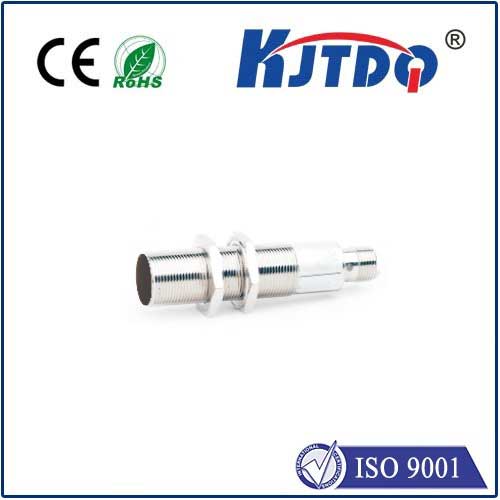
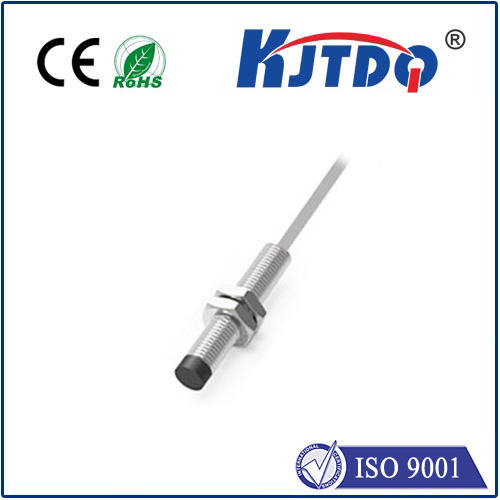
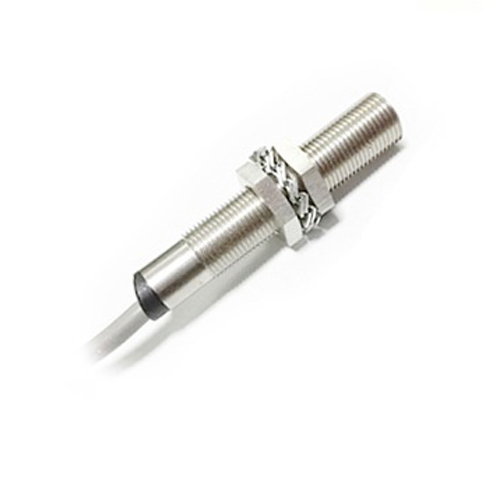
At its core, an industrial inductive switch is a non-contact sensor that detects the presence of metallic objects. It generates a high-frequency electromagnetic field from its active face. When a ferrous or non-ferrous metal target enters this field, eddy currents are induced within the metal. This process dampens the oscillation within the sensor's circuit. The switch's internal electronics detect this energy loss and trigger a solid-state output signal, effectively switching on or off. This entire process happens without any physical contact, which is the key to its durability.
The advantages of this contactless operation are profound in industrial settings. First and foremost is exceptional longevity. With no moving parts to wear out and no physical contact causing friction, these switches boast lifespans measured in millions of cycles. They are virtually immune to dust, dirt, oil, coolant mist, and other contaminants that would blind an optical sensor or interfere with mechanical limit switches. Sealed in robust housings typically made of nickel-plated brass or stainless steel, they resist corrosion and withstand significant mechanical shock and vibration. This ruggedness translates directly to reduced maintenance costs and minimized unplanned downtime, a primary goal for any plant manager.
Applications for industrial inductive switches are vast and varied. They are the perfect choice for precise position sensing. For instance, they verify if a metal pallet has reached the correct stop on a conveyor, signal the end-of-travel for a cylinder, or confirm the closure of a safety guard on a machine tool. In packaging machinery, they count metal cans or foil lids. In automotive assembly, they detect the presence of engine blocks or chassis components, ensuring the robotic welder fires only when the part is perfectly positioned. Their ability to function reliably in environments awash with hydraulic fluid or metal chips makes them the default solution for CNC machining centers and stamping presses.
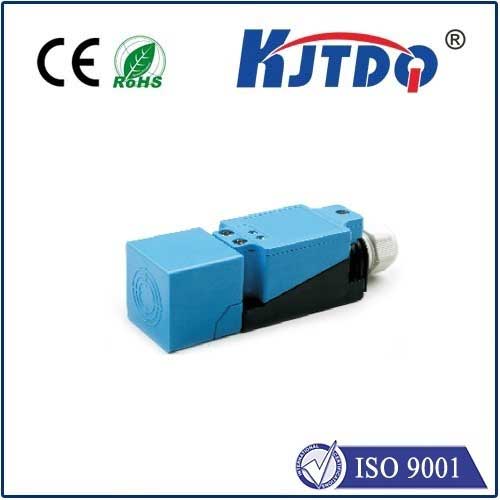
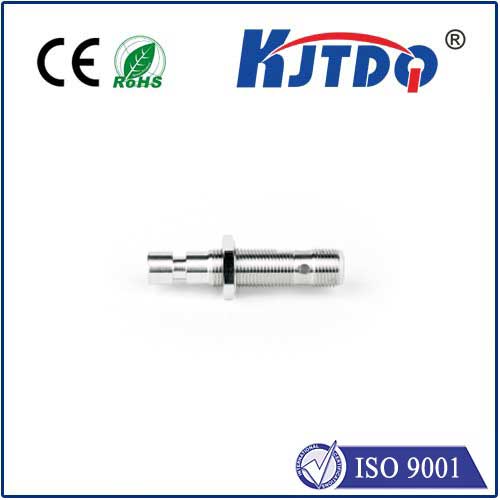
Selecting the right inductive switch involves several key parameters. The sensing distance, or "switching distance," is crucial and is specified for a standard target. It's important to note that different metals affect this range; steel is detected at the nominal distance, while aluminum or copper may reduce it. The housing style is another consideration; cylindrical barrels (e.g., M8, M12, M18, M30 threaded barrels) are common for easy mounting, while rectangular or block styles offer different mounting options. Engineers must also choose between normally open (NO) or normally closed (NC) output logic, and between 2-wire, 3-wire, or 4-wire configurations to match the plant's control system, typically 24V DC or 110-230V AC.
Modern advancements have further expanded their capabilities. Today, you can find inductive switches with analog outputs (4-20 mA or 0-10V) that provide continuous distance information, not just an on/off signal. Some feature advanced diagnostics via IO-Link communication, reporting their health status, operating temperature, and even signal strength to higher-level control systems, enabling predictive maintenance strategies. There are also weld-field immune models specifically designed to ignore the intense magnetic interference generated by resistance welding guns.
While newer sensing technologies emerge, the industrial inductive switch remains a cornerstone of automation. Its combination of simplicity, robustness, and cost-effectiveness is unmatched for metallic object detection in tough conditions. It operates silently and consistently, shift after shift, forming the reliable sensory foundation upon which smarter, more connected Industry 4.0 systems are built. For engineers designing or maintaining automated systems, understanding and correctly applying this fundamental component is a step toward achieving greater productivity and operational resilience.