check

check

check

check

check

check
In the fast-paced world of modern manufacturing, maintaining consistent product quality is not just a goal—it's a fundamental requirement for survival and success. This is where the unassuming yet powerful proximity sensor steps into the spotlight, transforming quality inspection from a manual, error-prone checkpoint into a seamless, automated, and highly reliable process. Unlike traditional contact-based measurement tools, proximity sensors operate without physical touch, using electromagnetic fields or light beams to detect the presence, absence, or position of an object. This non-contact nature is the cornerstone of their value in quality control, eliminating risks of part damage, wear and tear on the sensor itself, and contamination.
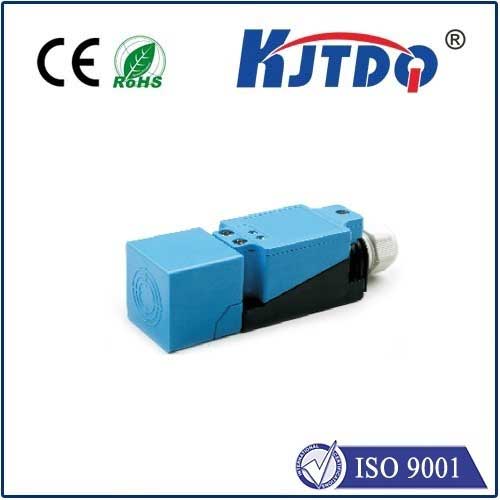
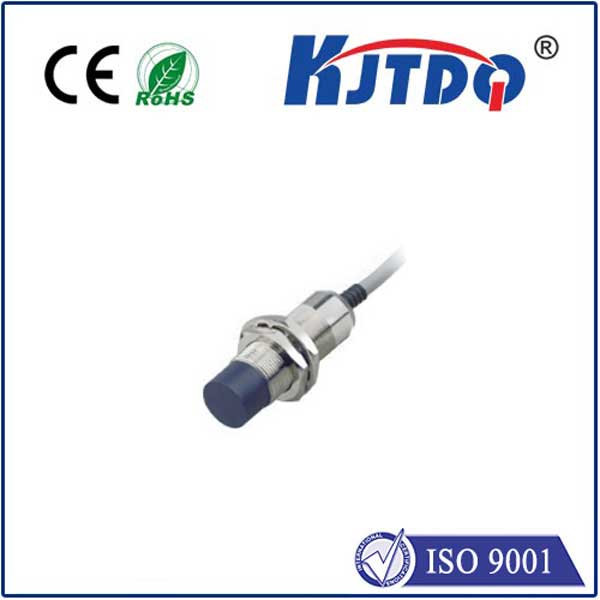
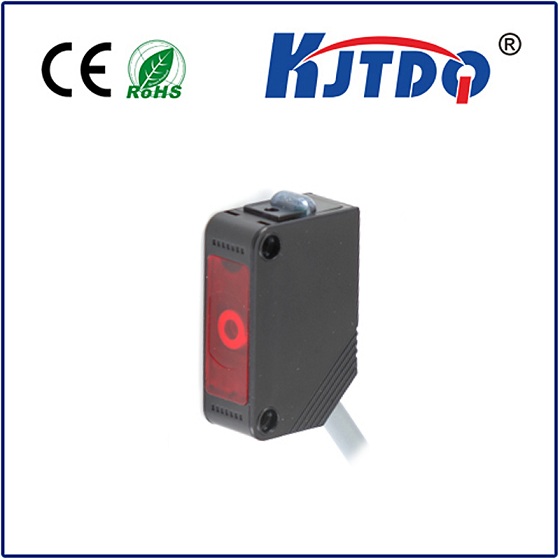
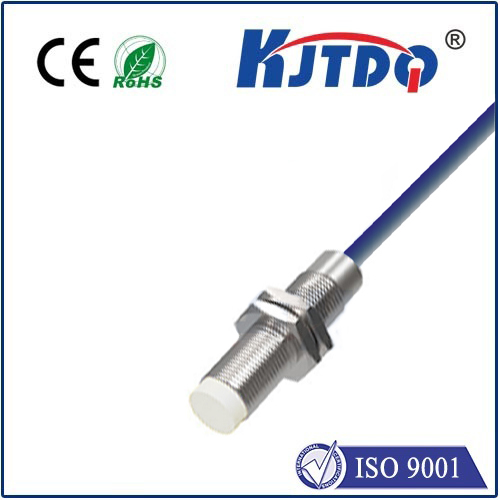
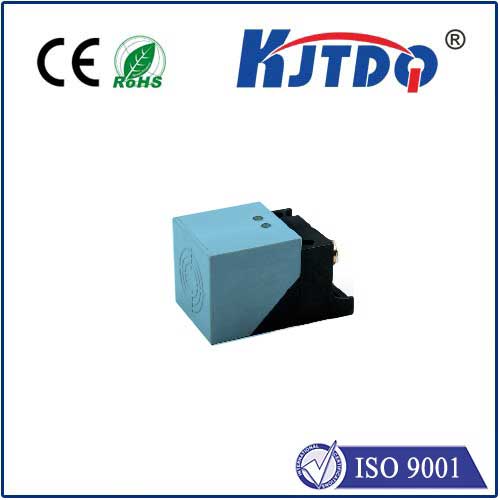
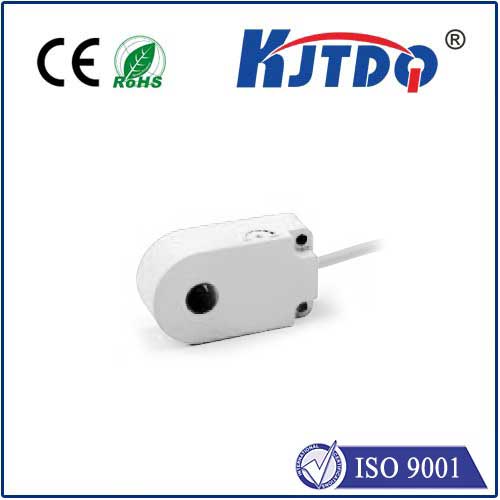
The application of proximity sensors in quality inspection is vast and varied. On assembly lines, inductive proximity sensors are workhorses for metal part detection. They can verify if a screw is present in a pre-drilled hole, confirm the correct placement of a metal bracket, or count metallic components as they pass by. A missing component or an incorrectly assembled part is instantly flagged, preventing defective products from moving down the line. For non-metallic materials like plastic, glass, or wood, capacitive proximity sensors come into play. They can detect the presence of a liquid in a transparent bottle, ensure a plastic cap is properly seated, or verify the fill level of a container, ensuring every product meets its specified packaging standards.
Perhaps one of the most critical roles is in precision positioning and dimensional verification. High-resolution sensors can measure minute gaps, check the alignment of parts with incredible accuracy, or monitor the thickness of materials like sheet metal or glass. For instance, in automotive manufacturing, sensors ensure that body panels are aligned correctly before welding. In pharmaceutical packaging, they verify that blister packs have the exact number of pills in each cavity. This level of precision, achieved at high speeds, is impossible for human inspectors to match consistently.
The integration of these sensors with Industrial Internet of Things (IIoT) platforms and data analytics systems elevates quality inspection to a predictive level. Instead of merely identifying a defect after it occurs, sensor data can be analyzed to predict potential equipment drift or process variations that might lead to future quality issues. Real-time data from a network of sensors provides a comprehensive view of production health, enabling proactive maintenance and continuous process optimization. This shift from reactive detection to proactive prevention significantly reduces waste, lowers costs, and enhances overall equipment effectiveness (OEE).
Choosing the right proximity sensor for a quality inspection task requires careful consideration. Factors such as the sensing distance, the material of the target object, environmental conditions (like temperature, humidity, or the presence of dust or coolant), required response speed, and output type are all crucial. A sensor selected for detecting a large steel gear will differ from one needed to sense a thin plastic film. Proper installation and shielding are also essential to avoid interference from nearby metal structures or other electrical equipment, ensuring signal integrity and reliable operation.
In conclusion, the proximity sensor is an indispensable tool in the arsenal of modern quality assurance. By providing reliable, non-contact, and high-speed detection, it enforces stringent quality standards directly on the production floor. From simple presence/absence checks to complex dimensional analysis, it acts as the first and most vigilant line of defense against defects. As manufacturing evolves towards greater automation and intelligence, the role of the proximity sensor in quality inspection will only grow more sophisticated and central, ensuring that excellence is built into every product, one precise detection at a time.