check

check

check

check

check

check
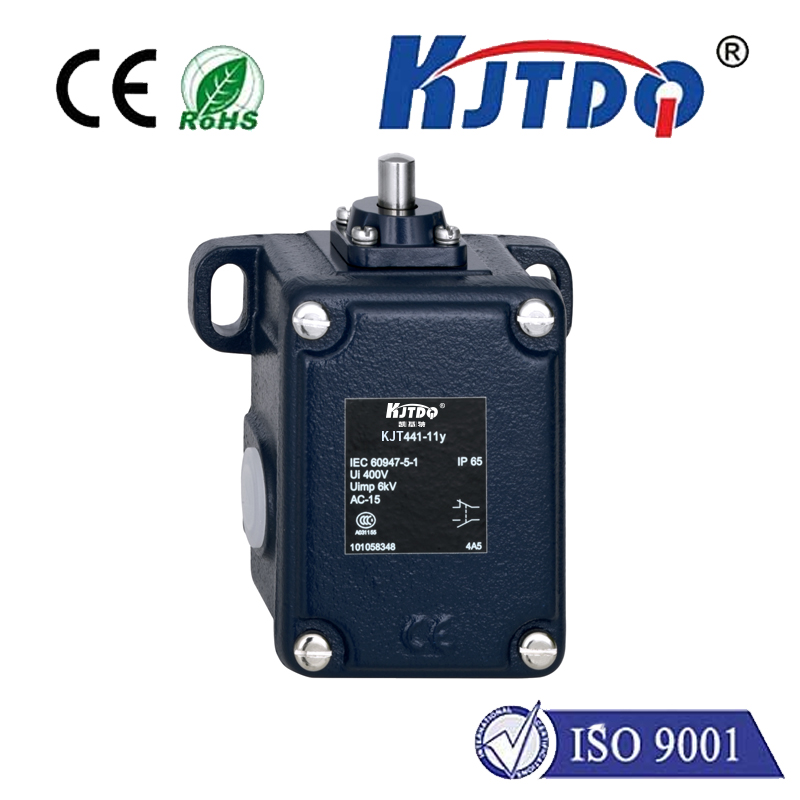
In the bustling environment of industrial workshops, ports, and construction sites, Electric Overhead Traveling (EOT) cranes are workhorses, silently moving massive loads with precision. While operators and the crane's motor often receive the spotlight, a critical safety component operates discreetly, ensuring every lift's security: the gravity limit switch. This device is not merely an accessory; it is the fundamental guardian against one of the most hazardous crane failures—over-travel or uncontrolled descent of the hoisting mechanism.
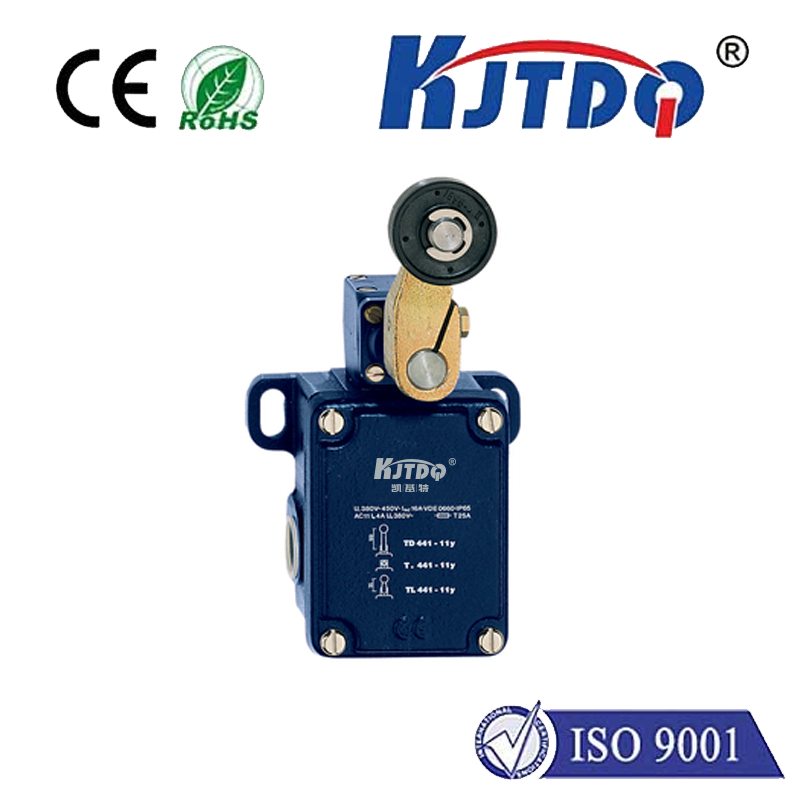
Unlike standard limit switches activated by mechanical contact or proximity sensors, a gravity limit switch, often referred to as a centrifugal switch or governor switch, operates on a brilliant mechanical principle. It is directly connected to the crane's hoist drum or a dedicated shaft that rotates with the wire rope movement. Inside the switch housing, weighted arms are connected to a spring mechanism. Under normal operating speeds, centrifugal force keeps these arms in a balanced position, keeping the electrical contacts closed, allowing power to flow to the hoist motor.
The true test comes during a potential malfunction. Imagine a scenario where the primary braking system fails, or a control system error causes the load to descend at an ever-increasing speed. As the hoist drum rotates faster, the weighted arms inside the gravity limit switch experience greater centrifugal force. Upon reaching a pre-set, calibrated threshold speed—typically 115% to 125% of the rated motor speed—this force overcomes the tension of the control springs. The arms swing outward, triggering a mechanical linkage that instantly opens the electrical safety contacts. This action cuts off power to the hoist motor and simultaneously engages the emergency brake, bringing the descending load to a controlled, safe stop. This fail-safe operation is entirely automatic and independent of the crane's main control circuit, providing a crucial last line of defense.
The integration of a reliable gravity limit switch in an EOT crane system addresses several paramount safety and operational concerns. Primarily, it prevents catastrophic "overwinding" or "two-blocking," where the hook block collides with the drum, which can snap cables and drop loads. Secondly, it mitigates the dangers of a load free-fall due to mechanical brake failure, protecting both personnel and assets on the ground. Furthermore, by preventing extreme overspeed conditions, it reduces undue stress and wear on gears, motors, and the wire rope itself, contributing to lower long-term maintenance costs and extended equipment lifespan.
Selecting and maintaining the correct gravity limit switch is non-negotiable. It must be precisely calibrated to the crane's specific gear ratio and motor speed. Regular inspection and testing are mandated by safety standards like OSHA and CMAA. Maintenance checks should verify that the switch activates at the correct speed threshold and that its contacts are clean and functional. This often involves a simulated overspeed test under no-load conditions to confirm its responsive operation without disrupting daily workflow.
In conclusion, the gravity limit switch embodies the principle of proactive safety engineering. It operates silently in the background, a testament to the idea that the most critical components are often those that work to prevent disasters before they occur. For any facility manager, safety officer, or crane service technician, understanding and prioritizing the integrity of the EOT crane's gravity limit switch is not just a compliance issue; it is a fundamental commitment to operational excellence and the unwavering protection of human life and valuable infrastructure. Investing in high-quality switches and rigorous maintenance schedules ensures that this unsung hero remains ever-vigilant, ready to act when called upon.