check

check

check

check

check

check
In the world of industrial automation and machine control, simplicity often equates to reliability and cost-effectiveness. Among the various components that keep systems running smoothly, the 2 wire proximity sensor stands out as a fundamental yet powerful device. This guide delves into the core aspects of this sensor technology, explaining its operation, key benefits, and practical applications without relying on complex jargon.
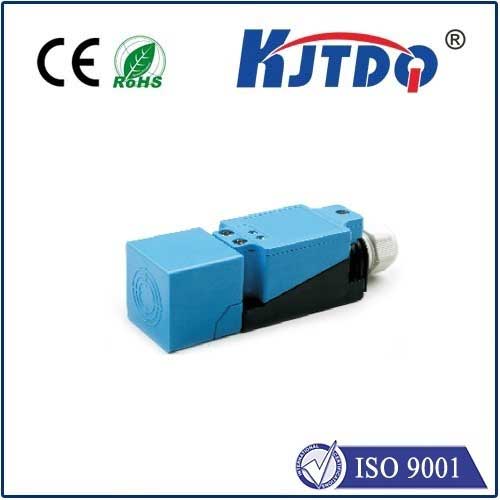
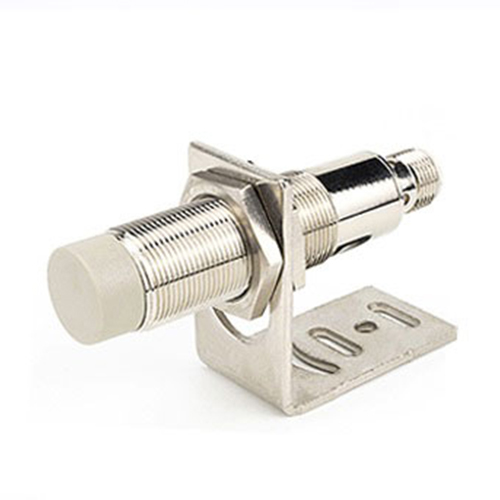
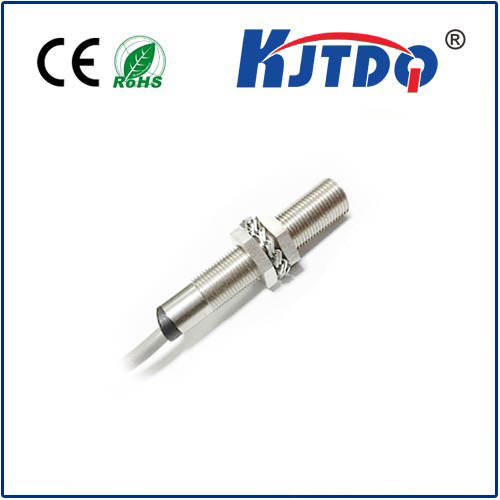
At its heart, a 2 wire proximity sensor is a non-contact device designed to detect the presence or absence of a target object. Unlike its 3-wire or 4-wire counterparts, it operates with just two connections: one for power and the other as a switched output. This streamlined design integrates the sensor and the switching element into a single, compact unit. It functions by generating an electromagnetic field. When a metallic target enters this field, it causes a change in the sensor's internal oscillation, which in turn triggers the output switch. This entire process happens without any physical contact, making it ideal for harsh environments where wear and tear are concerns.
The primary advantage of the 2-wire system lies in its installation and wiring simplicity. It connects similarly to a standard mechanical switch, directly in series with the load. This reduces wiring time, minimizes potential connection errors, and lowers overall installation costs. There is no need for a separate output wire or an external power supply for the switching circuit. This simplicity extends to maintenance, as troubleshooting a two-wire loop is generally more straightforward. Furthermore, these sensors are known for their robust construction, often featuring housing materials like nickel-plated brass or stainless steel, making them resistant to dust, moisture, and mechanical impacts common in industrial settings.
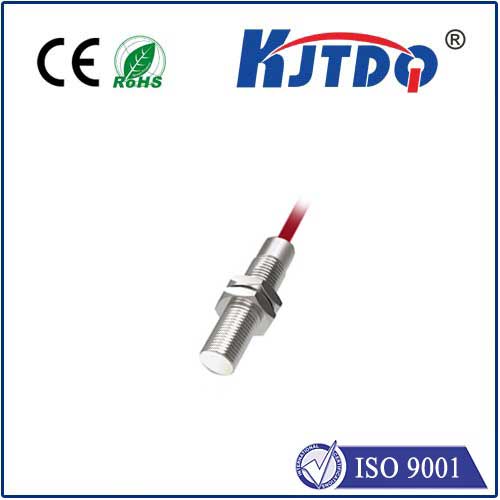
When selecting a 2 wire proximity sensor, several critical specifications must be considered. Sensing distance, or the range at which it can reliably detect a target, is paramount. It's crucial to choose a sensor with a range slightly larger than the required application to account for installation tolerances. The housing style, such as cylindrical, rectangular, or ring-shaped, must fit the physical constraints of the machine. The output type is also key; while all 2-wire sensors provide a switched output, they can be normally open (NO) or normally closed (NC) configurations. Additionally, factors like switching frequency (how fast it can detect objects), temperature rating, and the type of metal it can detect (ferrous, non-ferrous, or both) are essential for matching the sensor to its specific task.
The applications for 2 wire AC proximity sensors are vast and varied. They are ubiquitous in manufacturing assembly lines for part detection, counting, and position verification. In material handling, they monitor the presence of boxes on conveyors. They serve as end-of-travel limit switches in automated machinery, ensuring moving parts do not exceed their safe operational boundaries. In the automotive industry, they are used for robotic arm positioning and verifying component placement. Their durability also makes them suitable for outdoor or washdown applications in food processing or packaging.
For optimal performance and longevity, correct installation is non-negotiable. The sensor should be mounted securely to avoid vibration, and the sensing face must be kept clean from debris, oil, or metal chips that could interfere with the electromagnetic field. It is vital to ensure the target object is within the specified sensing range and made of a detectable material. A common consideration is the "flush-mounting" capability; some models can be installed embedded in metal without affecting their sensing range, while non-flush mount types require a clear zone around the sensor. Always consult the manufacturer's datasheet for specific wiring diagrams, load compatibility, and environmental limits.
In conclusion, the 2 wire proximity sensor represents an elegant fusion of simplicity and functionality. Its straightforward two-wire design reduces complexity and cost without sacrificing the reliable, non-contact detection capabilities required in modern automated systems. From simple presence detection to critical safety interlocks, this sensor continues to be a cornerstone of efficient and dependable industrial automation. By understanding its principles and proper application, engineers and technicians can leverage this technology to build more robust and maintainable control systems.