check

check

check

check

check

check
In the dynamic and demanding world of industrial automation, reliability is non-negotiable. Machines must operate with precision, and their components must withstand harsh environments day in and day out. Among the critical elements ensuring this seamless operation is the often-overlooked proximity sensor. Specifically, the cylindrical inductive sensor has emerged as a cornerstone technology for countless detection and positioning tasks. Its robust design and unwavering performance make it an indispensable tool for engineers and system integrators worldwide.
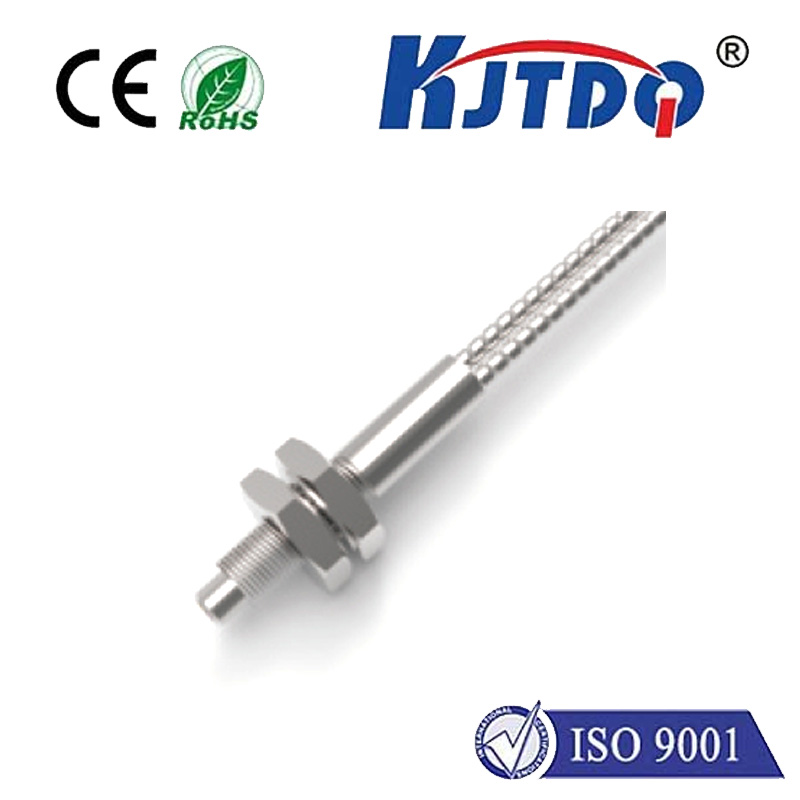
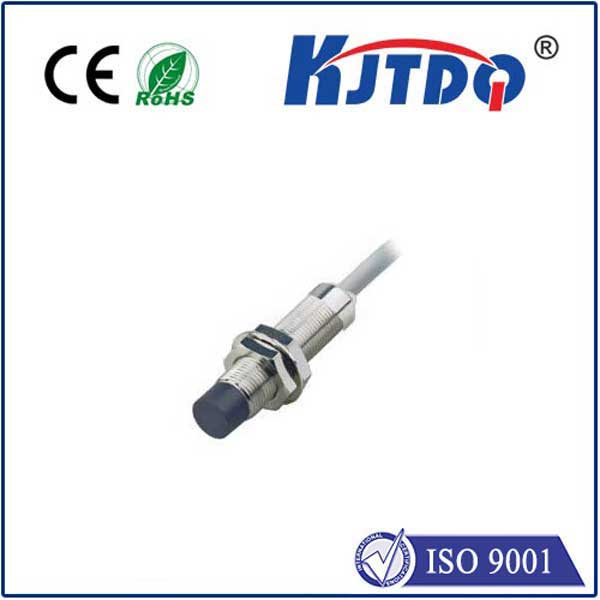
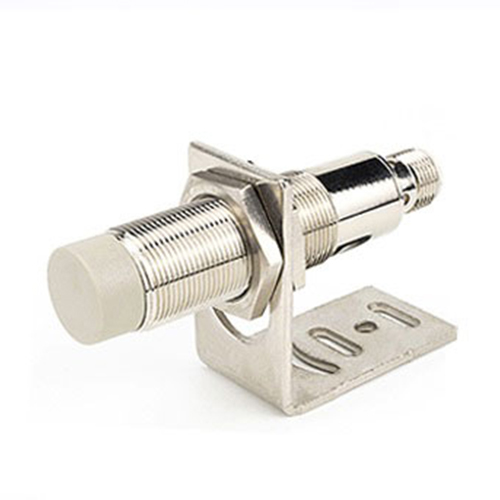
At its core, a cylindrical inductive sensor is a non-contact electronic device. It generates an electromagnetic field from its sensing face. When a metallic target—such as steel, aluminum, copper, or brass—enters this field, it induces eddy currents within the target. The sensor detects this change in the oscillation amplitude and triggers a solid-state switch. This entire process happens without any physical contact, eliminating mechanical wear and tear, a primary advantage over traditional limit switches. The "cylindrical" designation refers to its most common housing shape: a rugged, threaded metal tube, typically made of stainless steel or nickel-plated brass. This form factor allows for easy installation into standard mounting holes, providing excellent mechanical stability and protection.
The applications for these sensors are vast and varied. On a high-speed packaging line, they verify the presence of metal lids on containers. Within a CNC machining center, they provide precise tool position feedback or confirm the presence of a raw metal blank. In automotive assembly, they count metallic parts on a conveyor or ensure a robotic gripper has correctly picked up a component. Their ability to detect only metallic objects makes them immune to common interferences like dust, oil, coolant mist, or ambient light, which often plague optical sensors. This inherent robustness is why they are the preferred choice in dirty, wet, or vibration-prone industrial settings.
Selecting the right cylindrical inductive sensor involves several key technical considerations. Sensing range, specified by the manufacturer, is crucial. It is important to note that the effective range can vary slightly depending on the target material's type and size. Standard sensors are optimized for mild steel, while factors are provided for other metals. Another critical parameter is the flush-mounting capability. Some sensors can be installed flush with a metal surface without triggering on the mounting bracket itself, saving space in compact designs. Non-flush models offer longer sensing ranges but require a clearance zone around the sensing face. Output configuration is also vital, with options including NPN (sinking), PNP (sourcing), normally open (NO), or normally closed (NC) contacts to interface seamlessly with different PLCs (Programmable Logic Controllers) and control systems.
Modern advancements have further expanded the capabilities of these workhorses. Engineers can now find models with extended temperature ranges for foundries or cold storage facilities, weld-field immune versions for robotic welding cells, and even analog output sensors that provide a continuous signal proportional to the distance to the target. The development of factor-1 sensors, which can detect all metals at the same range as steel, has simplified selection and inventory for plants using diverse materials.
Installation and maintenance, while straightforward, require attention to detail. Ensuring the sensor is securely tightened to its specified torque prevents loosening from vibration. Proper wiring according to the datasheet, including attention to polarity for DC models and the use of shielded cables in electrically noisy environments, is essential for reliable operation. While incredibly durable, sensors should be periodically checked for physical damage to the housing or sensing face and verified for correct switching operation.
From automotive manufacturing to food and beverage processing, the cylindrical inductive sensor performs a silent, critical role. It is the unseen guardian of productivity, preventing jams, ensuring quality, and providing the essential data that drives automated systems. Its combination of mechanical toughness, electrical reliability, and operational simplicity has secured its place as a fundamental component in the industrial landscape. For any application requiring the reliable detection of metal, the cylindrical inductive sensor continues to be a trusted and optimal solution, forming the reliable backbone upon which modern automation is built.