check

check

check

check

check

check
In modern industrial environments, ensuring the safety of both personnel and equipment is a paramount concern. Among the various technologies employed to mitigate risks, the proximity sensor stands out as a critical component for machine safety. These devices, designed to detect the presence or absence of an object within a specific range without physical contact, have revolutionized safety protocols across manufacturing, packaging, and material handling sectors. Unlike traditional mechanical switches or guards, proximity sensors offer a non-intrusive, reliable, and fast-response solution to prevent accidents before they occur.
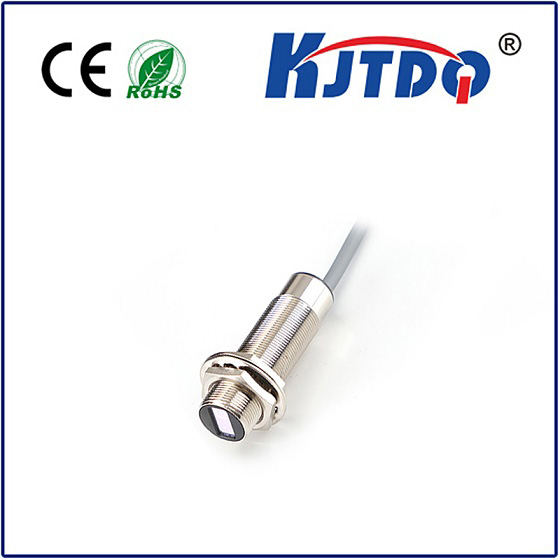
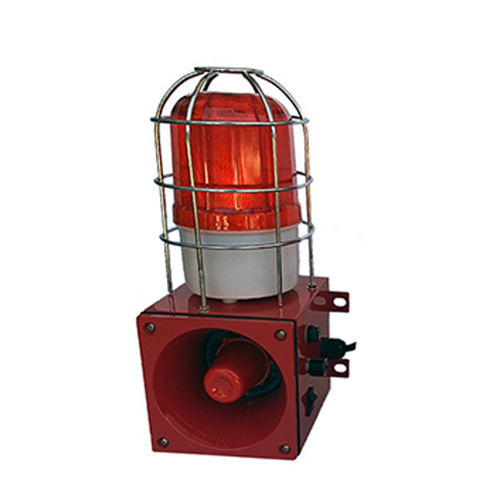
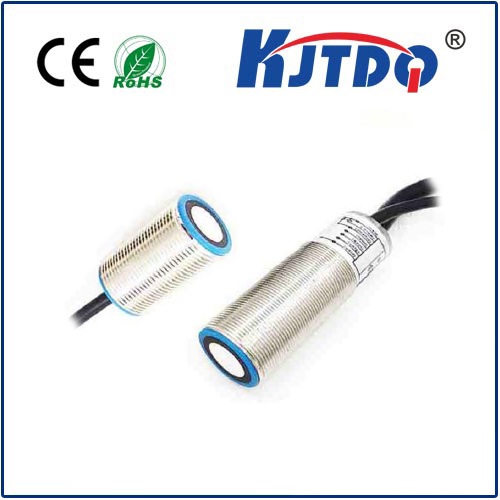
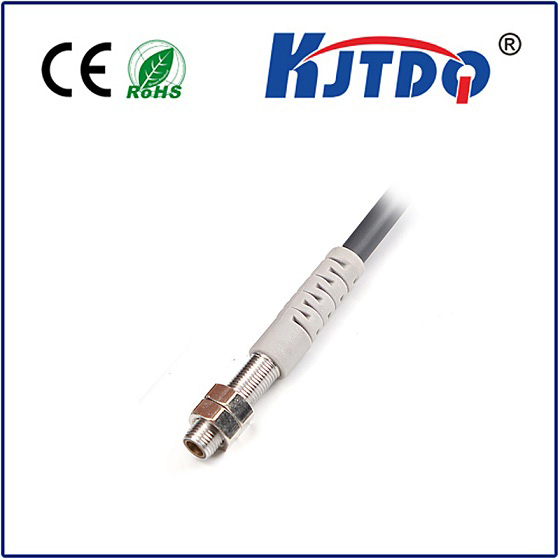
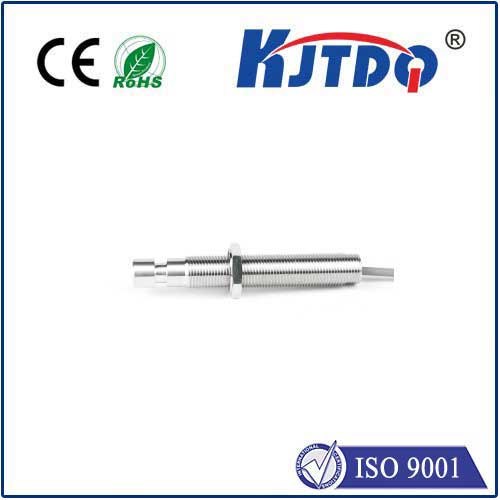
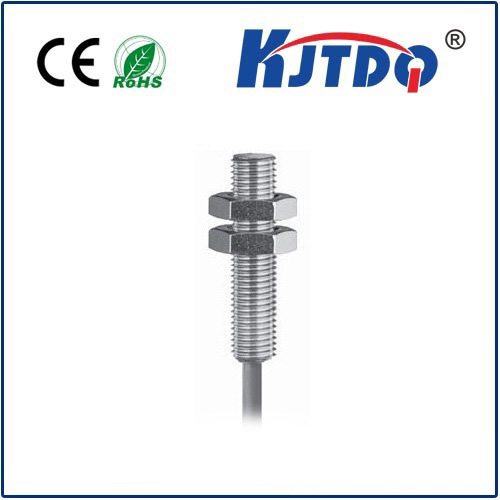
The fundamental principle behind a proximity sensor involves emitting an electromagnetic field or a beam of radiation and monitoring for changes in the field or return signal. Common types include inductive sensors for detecting metallic objects, capacitive sensors for non-metallic materials, and ultrasonic sensors for distance measurement. When an object enters the predefined detection zone, the sensor triggers an immediate response, such as halting a machine's operation, activating an alarm, or initiating a safety sequence. This instantaneous reaction is crucial in high-speed production lines where even a millisecond delay can lead to severe injuries or costly damage.
Integrating proximity sensors into machine safety systems offers numerous advantages. Firstly, they provide a high level of reliability and durability, capable of operating in harsh industrial conditions involving dust, moisture, and temperature variations. Their solid-state design, with no moving parts, minimizes wear and tear, ensuring consistent performance over long periods with minimal maintenance. Secondly, these sensors enable flexible installation. They can be positioned in tight spaces or hazardous areas where physical barriers are impractical, offering protection for hard-to-reach machine parts like rotating shafts, press brakes, or robotic arms.
A key application is in the implementation of safety interlocks and perimeter guarding. For instance, on a robotic welding cell, inductive proximity sensors can be installed around the access doors. If a door is opened while the robot is active, the sensor detects the change and sends a signal to the control system to stop all hazardous motion immediately. Similarly, on conveyor systems, sensors can monitor for jams or the presence of a worker's hand too close to pinch points, automatically shutting down the conveyor to prevent entrapment. This proactive approach significantly reduces the likelihood of accidents caused by human error or equipment malfunction.
Furthermore, the evolution of smart sensor technology has enhanced machine safety capabilities. Modern proximity sensors can communicate with Programmable Logic Controllers (PLCs) and safety networks, providing real-time diagnostic data. This connectivity allows for predictive maintenance, where potential sensor failures or misalignments are identified early, preventing unexpected downtime and maintaining continuous safety integrity. Features like built-in self-monitoring and fault detection ensure that the safety system remains functional, addressing fail-safe requirements mandated by international safety standards such as ISO 13849 and IEC 62061.
When selecting a proximity sensor for a safety-critical application, several factors must be considered. The sensing range, response time, and environmental immunity are primary technical specifications. Equally important is the sensor's Safety Integrity Level (SIL) or Performance Level (PL) rating, which quantifies its reliability in reducing risk. Sensors certified for functional safety provide assurance that they meet rigorous testing standards. Proper installation and regular testing are also vital; sensors must be correctly aligned and free from interference by other metal objects or electrical noise to ensure accurate detection.
In conclusion, the integration of advanced proximity sensors is indispensable for building robust machine safety systems. They form an invisible yet highly effective layer of protection, safeguarding operators from harm and protecting valuable machinery from damage. As industries continue to automate and seek higher productivity, the role of these sensors will only grow, driven by demands for smarter, more integrated, and fail-safe safety solutions. Investing in the right proximity sensor technology is not merely a regulatory compliance issue but a fundamental commitment to operational excellence and workplace well-being.