check

check

check

check

check

check
In the intricate world of industrial automation and control systems, precision and reliability are non-negotiable. Among the myriad components that ensure seamless operation, the SPST limit switch stands as a fundamental yet critical device. This guide delves into the mechanics, applications, and selection criteria for SPST limit switches, providing essential insights for engineers and procurement specialists.
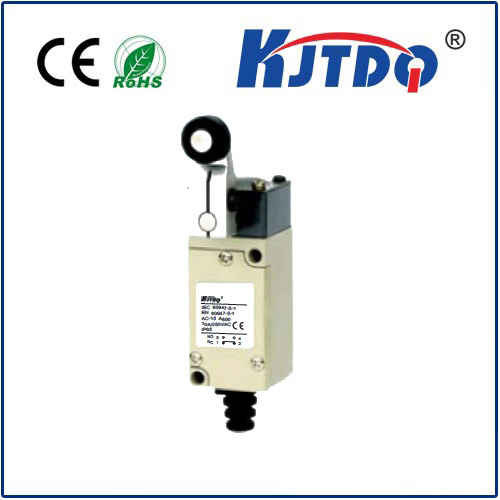
An SPST (Single Pole, Single Throw) limit switch is a type of sensor used to detect the presence or absence of an object, or to monitor the position of a machine part. Its core function is to open or close an electrical circuit based on physical contact. The "single pole, single throw" designation means it has one set of contacts that can be in one of two states: normally open (NO) or normally closed (NC). In a typical NO configuration, the circuit is open when the switch actuator is in its resting position and closes upon actuation. Conversely, an NC switch completes the circuit at rest and opens it when triggered.
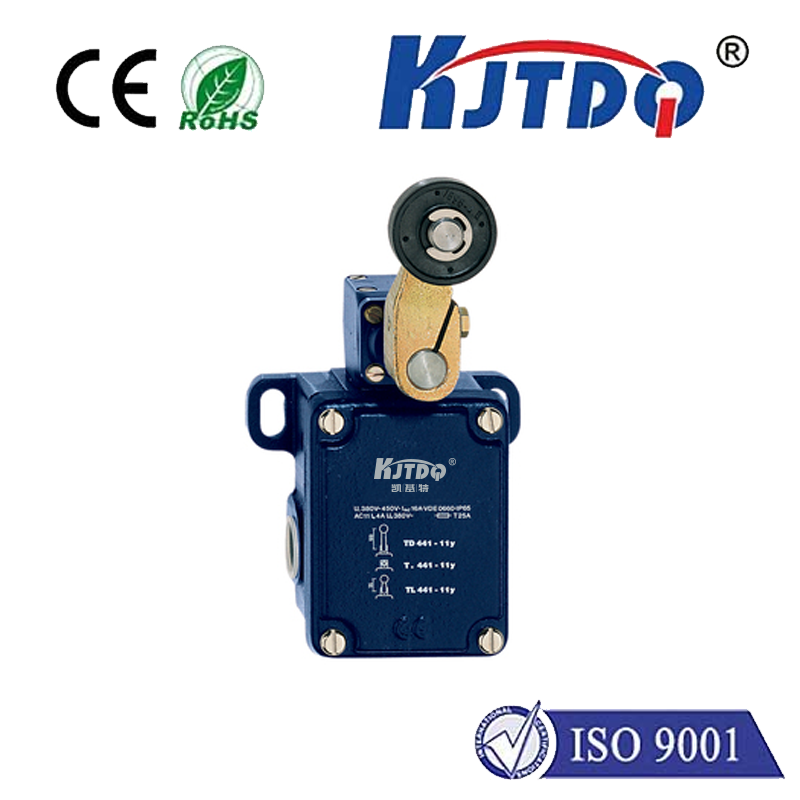
The operational principle is straightforward. The switch incorporates an actuator—which could be a lever, roller, plunger, or whisker—that is physically displaced by the target object. This mechanical movement internally operates the electrical contacts, sending a signal to the control system. This simple action is the cornerstone for initiating, halting, or sequencing automated processes. Their design prioritizes durability to withstand harsh industrial environments involving dust, moisture, vibration, and extreme temperatures.
The applications of SPST limit switches are vast and varied. They are indispensable in manufacturing assembly lines for tasks like part positioning, end-of-travel detection for robotic arms, and verifying the closure of safety guards. In material handling, they control the movement of conveyor belts, ensuring items are correctly positioned before the next operation. Packaging machinery relies on them to confirm the presence of a product before sealing or labeling. Furthermore, they play a vital safety role by acting as interlocks on machine doors, preventing operation when access panels are open, thereby protecting personnel.
Selecting the right SPST limit switch requires careful consideration of several parameters. First, the electrical rating, including voltage and current capacity (both AC and DC), must match the control circuit's requirements to avoid contact damage. The actuator type is chosen based on the direction and force of the target object's movement; a roller lever is suitable for sideways motion, while a plunger is ideal for direct linear actuation. Environmental protection, denoted by IP (Ingress Protection) or NEMA ratings, is crucial for longevity in dirty or wet conditions. Mechanical life expectancy, often in millions of cycles, indicates durability under frequent operation. Finally, the housing material, such as metal for ruggedness or plastic for corrosion resistance, must be appropriate for the operating environment.
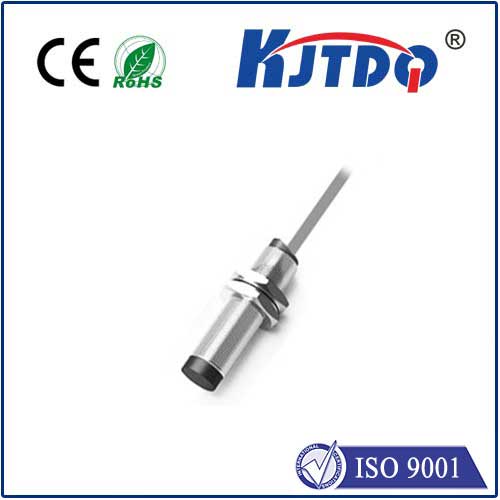
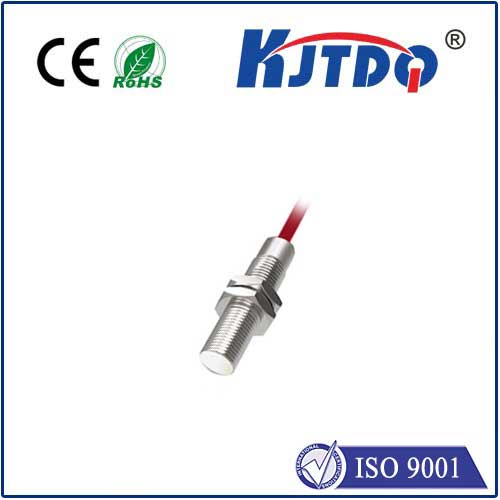
Compared to more modern proximity sensors (inductive, capacitive, or photoelectric), SPST limit switches offer distinct advantages. They provide a direct, physical confirmation of contact, which can be more reliable for certain applications where sensing through barriers is problematic. They are generally cost-effective, simple to install and wire, and their operation is easily understood by maintenance technicians. However, being electromechanical devices, they are subject to mechanical wear over time and may require more frequent inspection in high-cycle applications.
For optimal performance and longevity, proper installation and routine maintenance are key. The switch should be mounted securely to prevent misalignment. The actuator must be positioned so that the target object engages it fully without over-travel, which can cause premature failure. Regular checks for loose connections, physical damage to the actuator or housing, and cleaning of contaminants will ensure consistent signal integrity and prevent unplanned downtime.
In conclusion, the SPST limit switch remains a robust, reliable, and economical solution for position detection and safety interlocking across countless industries. Its straightforward design belies its importance in maintaining the rhythm and safety of automated systems. By understanding its operation, applications, and selection nuances, professionals can effectively integrate this essential component to enhance system reliability and operational efficiency.