check

check

check

check

check

check
In the world of industrial automation and machinery control, precision and reliability are non-negotiable. The CLS 131 limit switch stands as a critical component in this ecosystem, designed to provide accurate and dependable position detection for a vast array of applications. This guide delves into the functionality, key features, and practical uses of this essential device, offering insights for engineers, maintenance technicians, and procurement specialists.
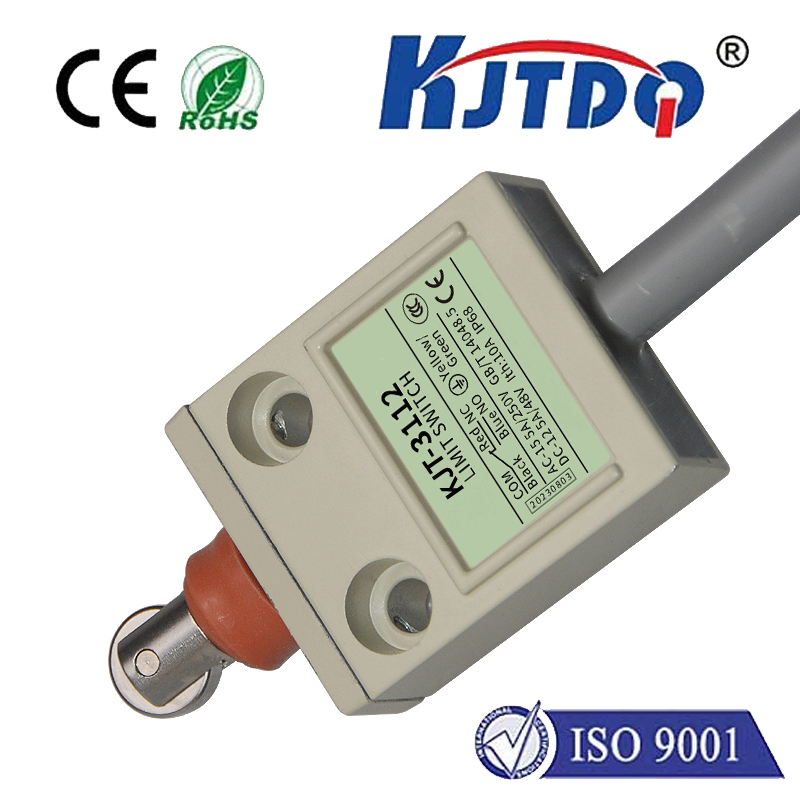
At its core, a limit switch like the CLS 131 is an electromechanical device. It operates on a simple yet profoundly effective principle: a physical actuator, such as a lever or roller, is mechanically linked to a set of electrical contacts. When a moving machine part or object comes into contact with this actuator, it triggers a movement that changes the state of the contacts—either opening or closing an electrical circuit. This state change sends a clear signal to the machine's control system, indicating that a specific physical limit has been reached. The CLS 131 model is engineered for durability in harsh industrial environments, often featuring a robust metal or high-grade plastic housing that protects its internal mechanism from dust, moisture, oil, and mechanical impact.
The applications for the CLS 131 limit switch are extensive and varied across industries. In manufacturing, they are indispensable for controlling the travel of automated machinery, such as conveyor belts, robotic arms, and CNC machines, ensuring operations halt or reverse at precise points to prevent over-travel and damage. Within material handling systems, these switches verify the position of gates, doors, and elevators, contributing to both operational efficiency and safety protocols. They also play a vital role in packaging equipment, assembly lines, and even in heavy machinery like cranes and hoists, where they act as end-of-travel sensors. The versatility of the CLS 131 allows it to be configured for normally open (NO) or normally closed (NC) operations, catering to diverse control logic requirements.
Selecting and installing the correct limit switch is paramount for optimal performance. Key specifications to consider for the CLS 131 include its electrical rating (voltage and current capacity), the type of actuator (lever, roller plunger, fork lever), the mechanical life expectancy (number of operating cycles), and its ingress protection (IP) rating, which defines its resistance to environmental factors. Proper installation involves securely mounting the switch in a location where the actuator will be consistently and accurately engaged by the target object. Alignment is crucial; misalignment can lead to premature wear, false triggering, or failure to actuate. Regular maintenance, such as visual inspections for physical damage and checking for loose connections, helps ensure long-term reliability and prevents unplanned downtime.
One of the primary advantages of the CLS 131 limit switch is its simplicity and cost-effectiveness. Unlike some sophisticated proximity sensors, it provides a direct, physical confirmation of position, which is often easier to troubleshoot and integrate into existing control systems. Its robust design makes it suitable for applications where sensing distance is very short and physical contact is acceptable or even desirable. When compared to non-contact sensors, limit switches excel in environments with high levels of dirt, steam, or electromagnetic interference, where optical or inductive sensors might malfunction.
In conclusion, the CLS 131 limit switch remains a foundational element in industrial control systems. Its proven design offers a reliable, straightforward solution for position detection and sequence control. For professionals seeking to enhance machine safety, improve operational repeatability, and implement effective automation, understanding and utilizing the CLS 131 is a step toward achieving greater efficiency and reliability on the factory floor. By making informed choices regarding selection, installation, and maintenance, you can leverage this versatile component to safeguard equipment and streamline production processes.