

check

check

check

check
check
check
check
check

check

check
At assembly, press-fitting, and packaging workstations, operators repeatedly load and unload workpieces, placing their hands in close proximity to moving machinery. Interlocking personnel intrusion detection directly with machine motion control is an essential safeguard for these operations.

SAFETY LIGHT CURTAIN
Non-Contact Detection
Open Access Openings
Personnel Intrusion Detection & Control Interlocking
Preserving Operational Workspace While Defining Clear Safety Boundaries
Establishing a monitored zone via optical beams balances convenient workpiece handling, clear line-of-sight observation, and workstation safety requirements:
Easy Loading & Unloading: Preserves open access space for workpiece handling.
Rapid Detection: Continuously monitors optical beam interruptions.
Control Interlocking: Integrates seamlessly with safety control systems.
Detecting Zone Entry and Interlocking Machine Motion
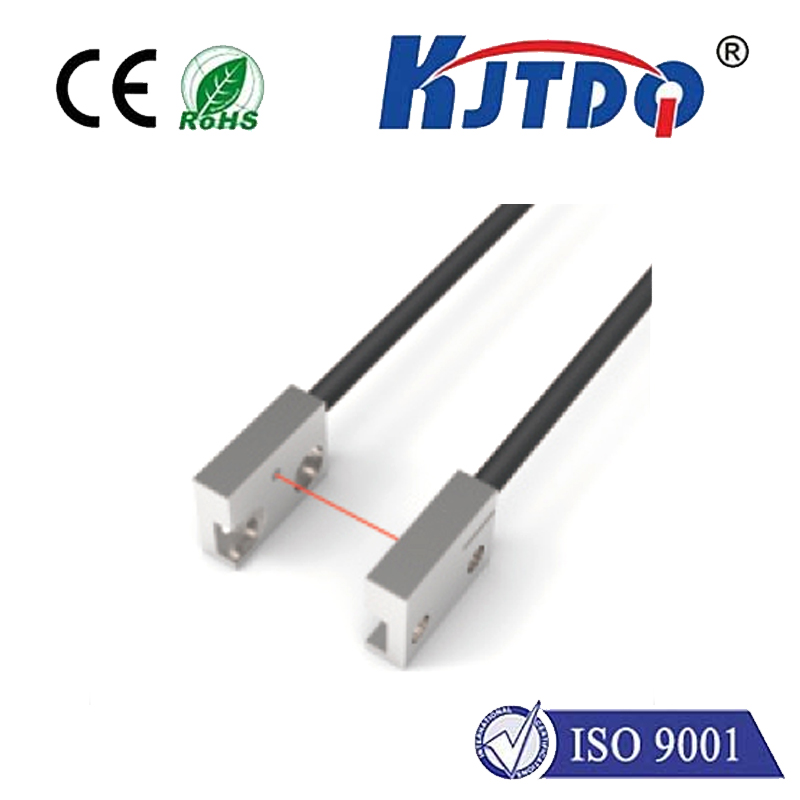
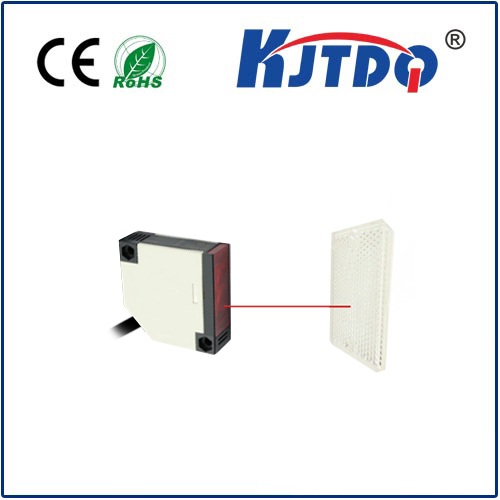
The emitter and receiver are mounted on opposite sides of the access opening, creating a continuous array of infrared detection beams. When a hand or other object interrupts any beam, the sensor changes its output state, prompting the paired safety control system to execute an immediate stop command—reducing the risk of personnel reaching hazardous moving components.
For workstations requiring frequent manual loading and unloading, this non-contact approach preserves ergonomic workspace while giving operators unobstructed visibility of workpiece positioning and machine status.
Designing Protective Zones Around Actual Operator Movements
Based on personnel approach paths and machine motion profiles, the following workstation types are primary candidates for evaluation:
| Application Scenario | Detection Location | Application Value |
| Assembly & Press-Fitting | Front access openings for manual part loading and unloading | Interlocks operator reach-in movements directly with machine actuation. |
| Packaging & Sealing/Cutting | Entry points where personnel can access sealing or cutting mechanisms | Detects intrusion to help govern hazardous mechanical motions. |
| Automated Workstations | Manual loading/unloading ports and equipment handoff zones | Defines clear human-machine interaction boundaries for streamlined safety design. |
Note: Specific safeguarding methods must be confirmed based on formal machine risk assessments, personnel approach paths, and machine stopping performance.
Matching Machine Conditions for Effective, Reliable Safeguarding
Proper selection requires matching detection capability (resolution) and safety category/performance level against access opening dimensions, the body part to be detected (e.g., finger, hand, or body), machine stopping time, and minimum safety distance. During installation, all potential bypass paths around the light curtain must also be guarded, and stopping, reset, and restart logic must be thoroughly verified.
Integrating every link—from the optical detection zone to safety control interlocking—around actual workstation workflows ensures safety protection becomes a seamless part of daily production.
Tailoring Safety Solutions to Your On-Site Conditions
Provide your machine type, access opening dimensions, and on-site photos, and KJT will assist you in evaluating the optimal safety light curtain selection and installation plan.