

check

check

check

check
check
check
check
check

check

check
Sluggish Pneumatic Actuation: Making Air Supply & End-Position States Clearly Visible
KJT Wireless Sensor Monitoring Solution for Pneumatic Packaging & Assembly Equipment
When pneumatic cylinders slow down or pusher mechanisms fail to reach their target positions on time, machinery stalls in a waiting state. Maintenance personnel must inspect pressure gauges, check cylinders, and verify mechanism positions one by one. Widely scattered inspection points and a lack of historical fault logs significantly extend troubleshooting time.
For these applications, KJT Wireless Pressure Sensors, Wireless Magnetic Switches, and Wireless Inductive Proximity Switches can be flexibly combined to monitor air supply pressure, cylinder stroke positions, and external mechanism states respectively.

| Wireless Product Type | Mounting Location & Specific Function | Customer Value |
| Wireless Pressure Sensor / Wireless Pressure Transmitter | Installed on equipment air intake branches or remote pneumatic points to capture pressure fluctuations. | Provides visibility into air supply trends, offering a clear basis for diagnosing pressure anomalies. |
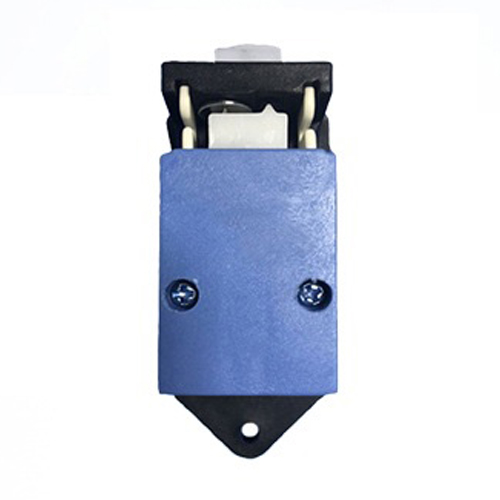
| Wireless Magnetic Switch | Compatible with magnetic-piston cylinders to detect extended and retracted piston positions. | Pinpoints exact cylinder actuation states down to individual detection points. |
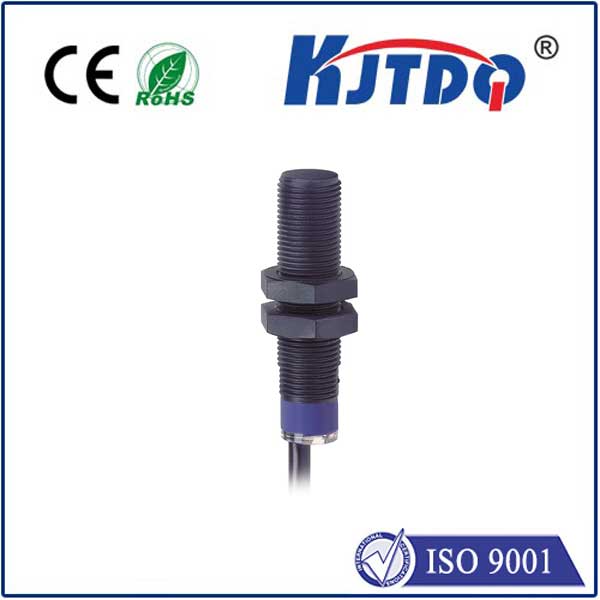
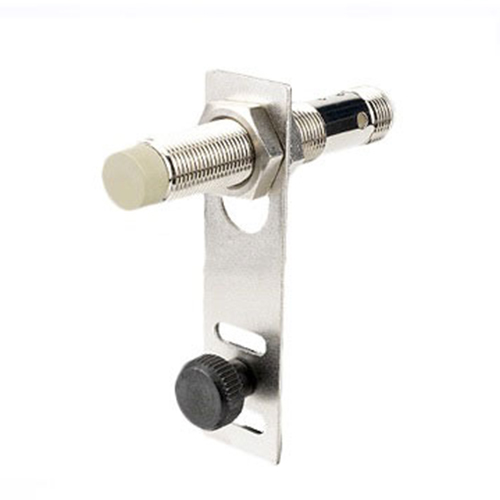
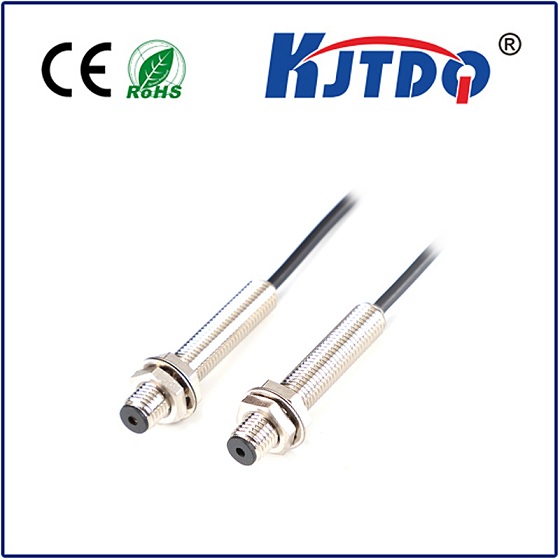
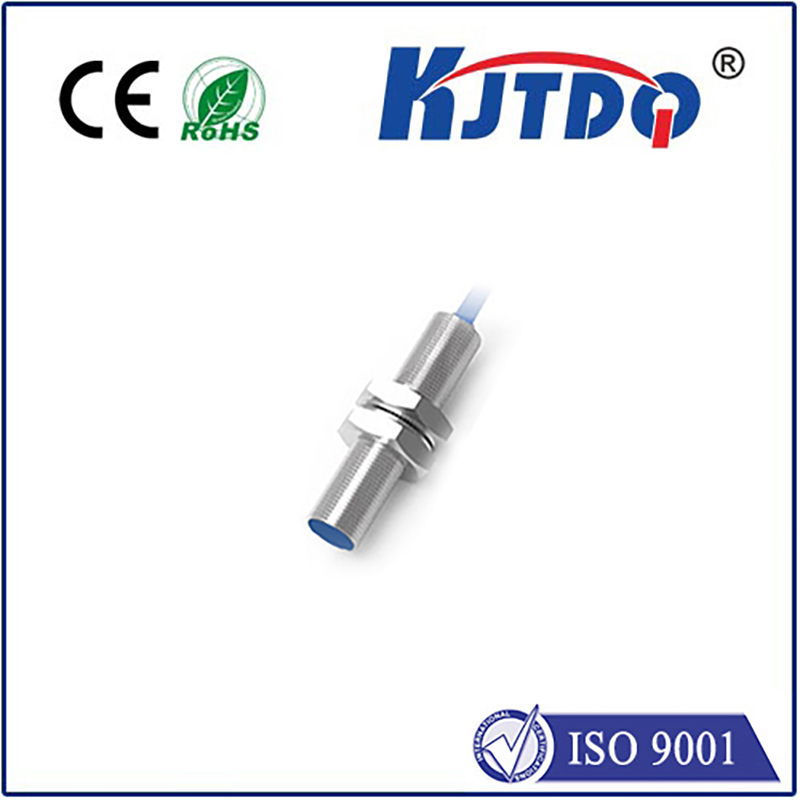
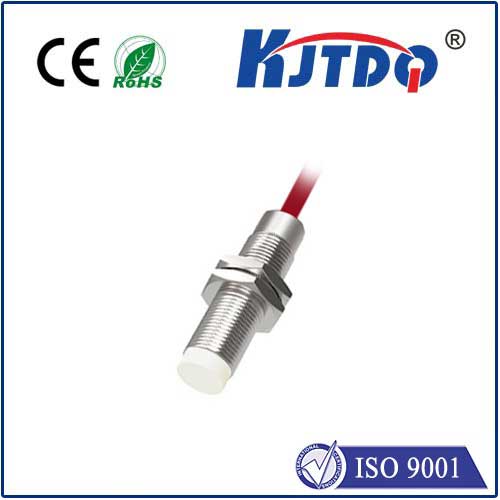
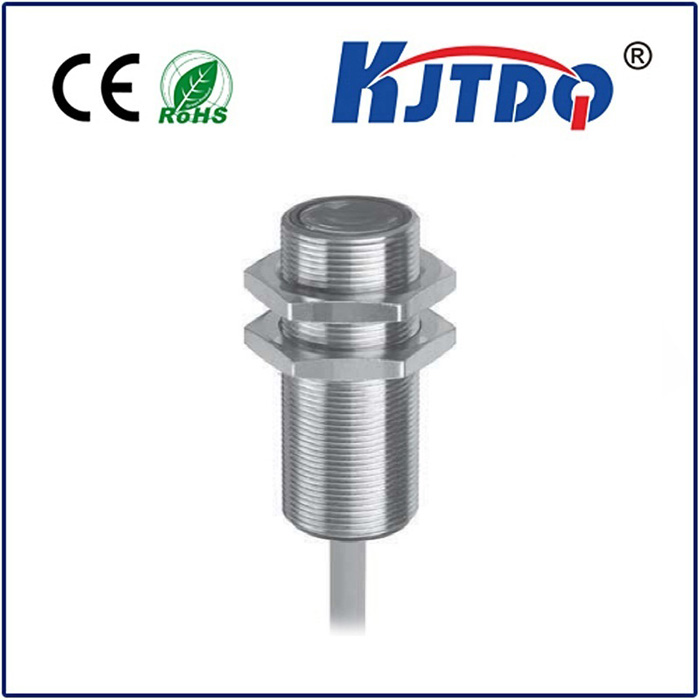
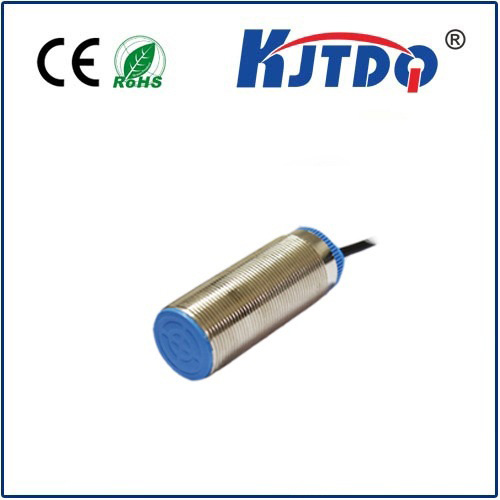
| Wireless Inductive Proximity Switch | Aimed at metal positioning flags on pusher slides or stopper mechanisms to verify in-position or home/reset states. | Confirms external mechanism positions, narrowing down the physical inspection scope. |
For equipment already outfitted with wired sensors, KJT Wireless Transmitters and matching Wireless Receivers can be selected based on existing output interfaces to wirelessly backhaul compatible field signals—eliminating long-distance signal cable runs.
Compatible Existing Sensors → Wireless Transmitter → Matching Wireless Receiver → Control or Monitoring System
KJT wireless transceivers offer both discrete (switching) and industrial communication interface configurations, tailored to system requirements. Wireless pressure sensors also upload data at configurable intervals, supporting historical data logging, trend curve visualization, and high/low pressure limit alarms.
Pressure and position detection points are integrated according to their respective communication protocols and analyzed alongside equipment operating logs.
Centralized Inspections: Consolidates visibility across dispersed detection points, eliminating repetitive manual checks of individual pressure gauges and mechanism positions.
Flexible Retrofits: Enables phased addition of monitoring points on critical machinery without the labor and cost of running new long-distance signal cabling.
Evidence-Based Diagnostics: Combines air supply pressure, cylinder stroke status, and external mechanism positions to help maintenance teams pinpoint inspection priorities immediately.
During implementation, system specifications are matched against measured media, cylinder design, power supply conditions, wireless signal coverage, and status update intervals.
Share Your Equipment Photos & Anomaly Symptoms — KJT Will Match Your Wireless Monitoring Solution
Based on your on-site detection points, we will help define the exact wireless sensor types and corresponding integration methods.